
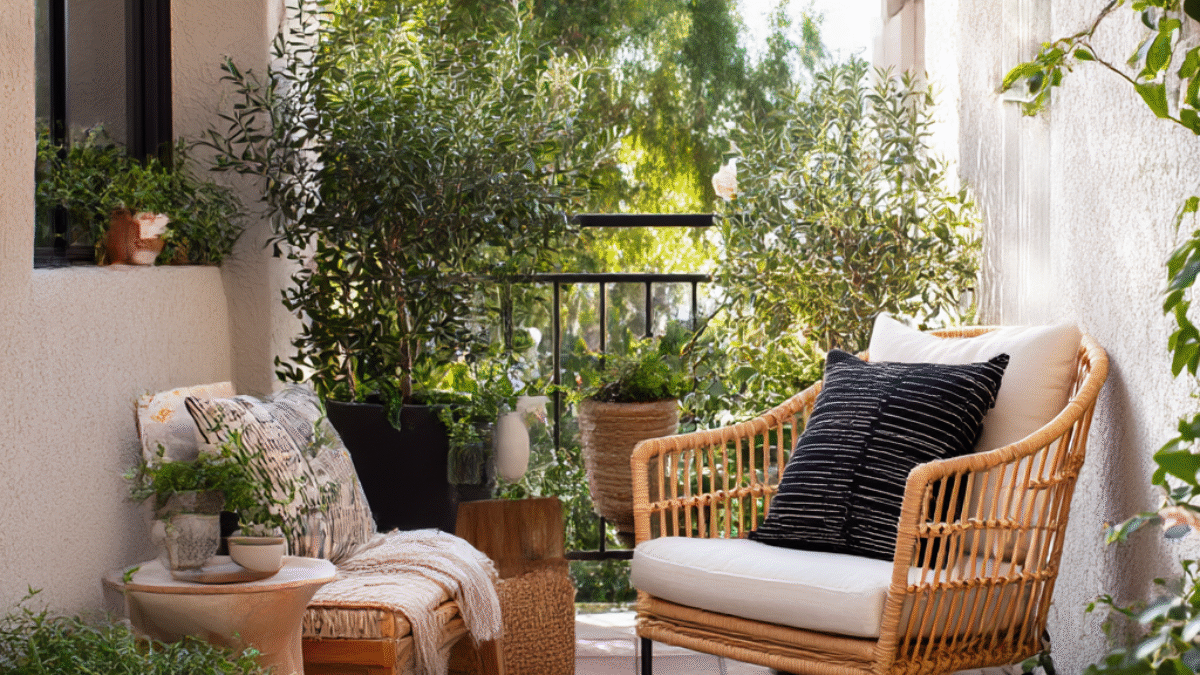

A small patio has the potential to become one of the most loved spaces in your home, especially as warmer weather approaches. Designers agree that size is far less important than intention. With the right choices, even the smallest patio can feel inviting, functional, and beautifully styled. Before summer starts, thoughtful updates can turn an underused outdoor area into a retreat you actually want to spend time in.
This guide shares designer-approved small patio ideas that focus on comfort, proportion, and timeless style, helping you make the most of limited space without overwhelming it.
Define the Space With Purpose
Designers often begin small patio projects by clearly defining how the space will be used. A patio that tries to serve too many purposes can feel cluttered and impractical. Decide whether the area is meant for lounging, dining, reading, or entertaining and let that purpose guide every decision. A clear function helps determine furniture size, layout, and accessories, creating a space that feels intentional rather than improvised.
Choose Furniture With the Right Scale

Oversized outdoor furniture is one of the most common mistakes on small patios. Designers recommend selecting pieces that feel light and appropriately scaled. Slim-profile chairs, compact tables, and furniture with open bases keep the space visually open. Folding or stackable furniture also works well, allowing flexibility when the patio needs to adapt to different uses.
Create Comfort Through Soft Layers
Comfort is essential if you want to actually use your patio. Designers add softness through outdoor cushions, seat pads, and throws made from weather-resistant fabrics. These layers make the patio feel welcoming while introducing subtle color and texture. Keeping the palette cohesive ensures the space feels calm rather than busy.
Use Vertical Space to Your Advantage
When floor space is limited, vertical space becomes incredibly valuable. Designers often use walls, railings, or fences to introduce greenery, lighting, or decor. Hanging planters, wall-mounted shelves, or vertical gardens add interest without taking up precious square footage. Vertical elements also draw the eye upward, helping the patio feel larger.
Add Greenery for Privacy and Atmosphere

Plants are one of the most effective design tools for small patios. Designers rely on greenery to soften edges, add privacy, and create a sense of enclosure. Tall planters placed strategically can block unwanted views while still allowing light and airflow. Mixing plant heights and textures creates a layered look that feels natural and relaxed.
Anchor the Patio With a Rug
Outdoor rugs help define a small patio and make it feel like an extension of the home. Designers often use rugs to visually anchor furniture and create a sense of structure. Choosing a rug with subtle pattern or texture adds interest without overwhelming the space. The right rug also makes the patio feel more comfortable underfoot.
Incorporate Lighting for Evening Use
Lighting transforms how a patio feels after sunset. Designers avoid relying on a single light source and instead layer lighting for warmth and atmosphere. String lights, lanterns, and small solar fixtures create a soft glow that makes the space feel inviting. Thoughtful lighting extends the usability of a small patio well into the evening hours.
Stick to a Cohesive Color Palette

A limited color palette helps small patios feel calm and cohesive. Designers often choose neutral bases and introduce color through plants, textiles, or small accents. Consistency in color prevents the space from feeling cluttered and allows each element to complement the others. This approach also makes it easier to update the patio seasonally.
Use Multifunctional Pieces
Multifunctional furniture is a designer favorite for small patios. Benches with storage, stools that double as side tables, and compact carts that serve as both decor and utility maximize functionality without crowding the space. These pieces allow the patio to adapt to different needs while maintaining a clean, organized look.
Keep Styling Edited and Intentional
Designers emphasize restraint when styling small patios. Too many accessories can make the space feel cramped. Instead, choose a few meaningful decor elements such as a lantern, a planter, or a sculptural accent. Leaving some negative space allows the patio to feel airy and comfortable rather than overdesigned.
Final Thoughts
A small patio does not require a major overhaul to feel beautiful and functional. By focusing on scale, comfort, greenery, and thoughtful layout, designers create outdoor spaces that feel welcoming and well balanced. With a few intentional updates before summer starts, your patio can become a place you look forward to using every day. Small spaces often benefit the most from good design, proving that thoughtful choices matter more than square footage.
Questions About Small Patio Design
How can I make a small patio feel larger
Designers recommend using light furniture, vertical elements, and a cohesive color palette to visually expand a small patio. Keeping the floor area open and avoiding oversized pieces also helps the space feel more open.
What type of furniture works best on a small patio
Furniture with slim profiles, multifunctional use, and flexible arrangements works best. Pieces that are easy to move or store allow the patio to adapt to different activities without feeling crowded.
How do I decorate a small patio without cluttering it
Focus on a few well-chosen elements rather than many small accessories. Prioritize comfort and greenery, and leave some open space so the patio feels calm and inviting rather than busy.
Add a Comment