
Arranging flowers can be a fun and creative way to express your style and brighten up any space. From choosing the right stems to creating an eye-catching display, this guide will walk you through the essentials of floral arrangement. Get ready to learn some simple techniques that will help you create beautiful bouquets like a pro!
Caring for Your Flowers to Extend Their Lifespan
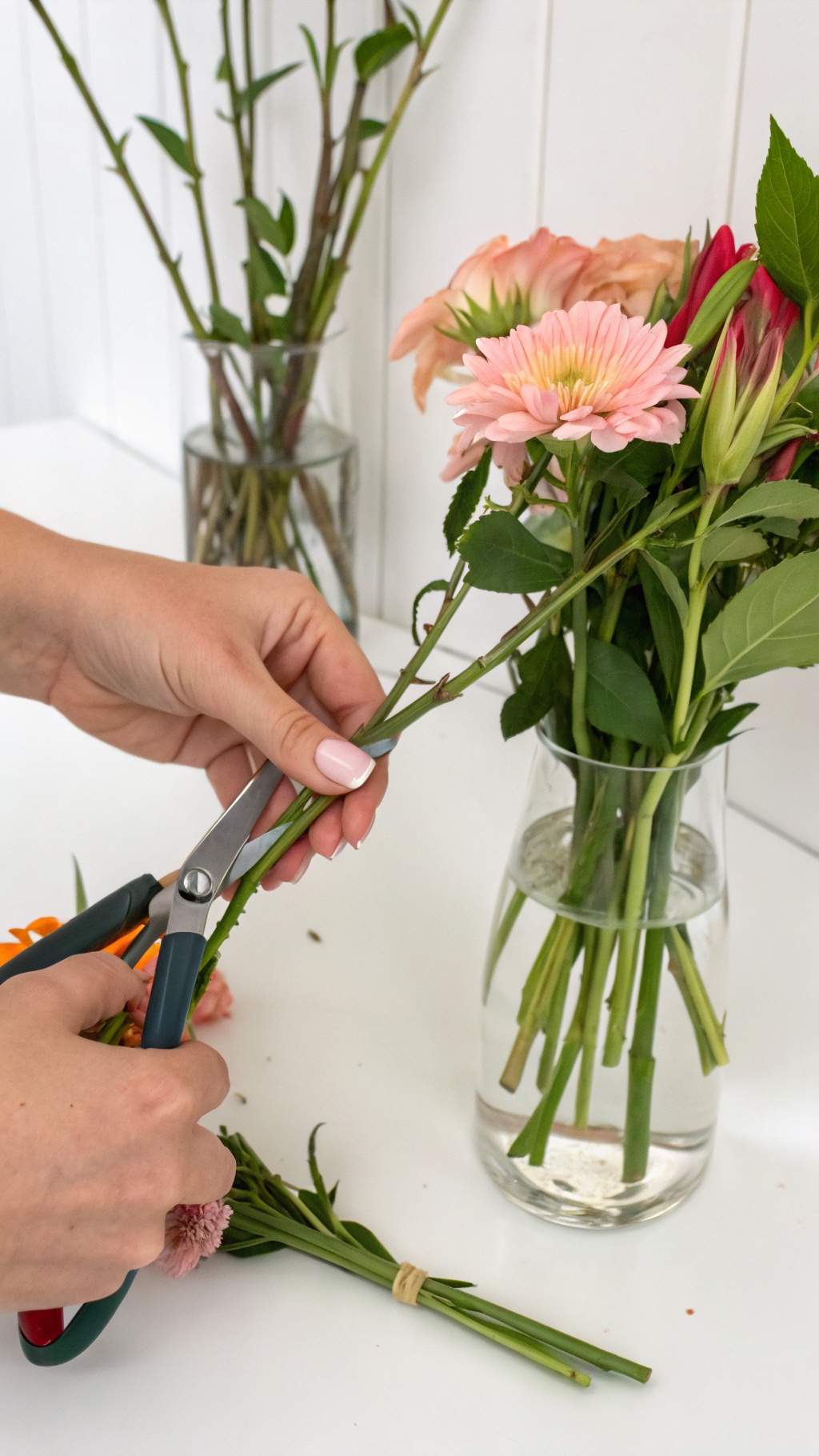
Flowers bring joy and beauty into our lives, but keeping them fresh can be a challenge. The image shows some simple steps to help your flowers last longer. It’s all about the little things you can do to keep them looking vibrant.
First, changing the water regularly is key. Fresh water helps flowers absorb nutrients better. Make sure to trim the stems at an angle each time you change the water. This allows for better water uptake. It’s a small step that makes a big difference!
Next, remove any leaves that will sit below the waterline. This prevents bacteria from forming, which can shorten the life of your flowers. Keeping the water clean is essential for their health.
Lastly, consider the placement of your flowers. Keep them away from direct sunlight and heat sources. A cool spot will help them stay fresh longer. Following these tips can keep your flowers looking beautiful for days!
Selecting the Perfect Vase for Your Floral Display
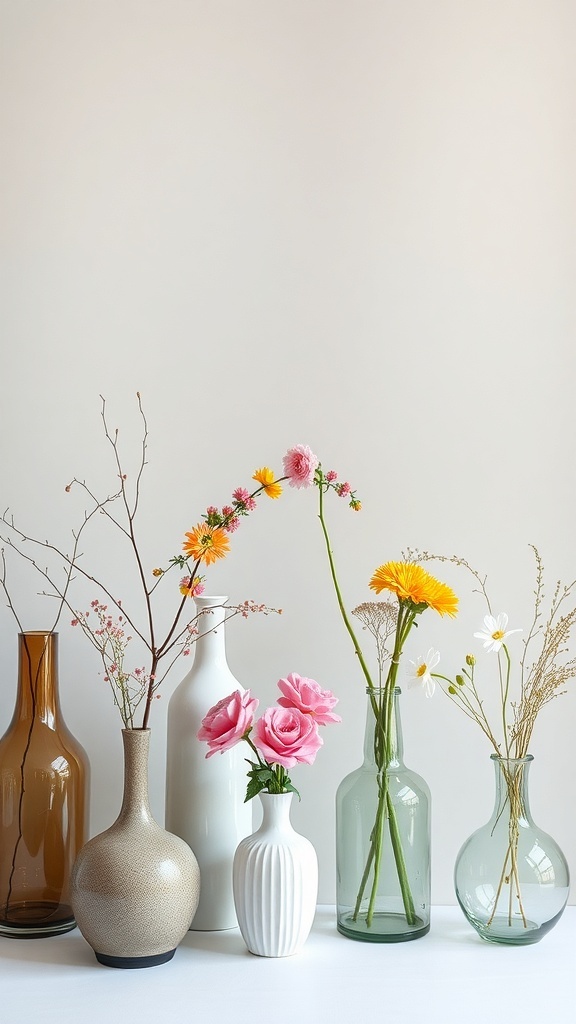
Choosing the right vase can make a big difference in how your flowers look. In the image, you see a variety of vases, each with its own unique shape and color. This variety allows for different styles and arrangements, making it easier to find the perfect fit for your flowers.
The tall, slender vases are great for long-stemmed flowers, while the shorter, round ones work well for blooms that are more compact. Notice how the colors of the vases complement the flowers. A clear glass vase can highlight the beauty of the stems, while a colored vase can add a pop of color to your display.
When selecting a vase, think about the size of your flowers and the overall look you want to achieve. A busy arrangement might need a more neutral vase to let the flowers shine, while a simple bouquet could benefit from a decorative vase. Mixing and matching different styles can also create an interesting visual effect.
Adding Accents and Decorative Elements
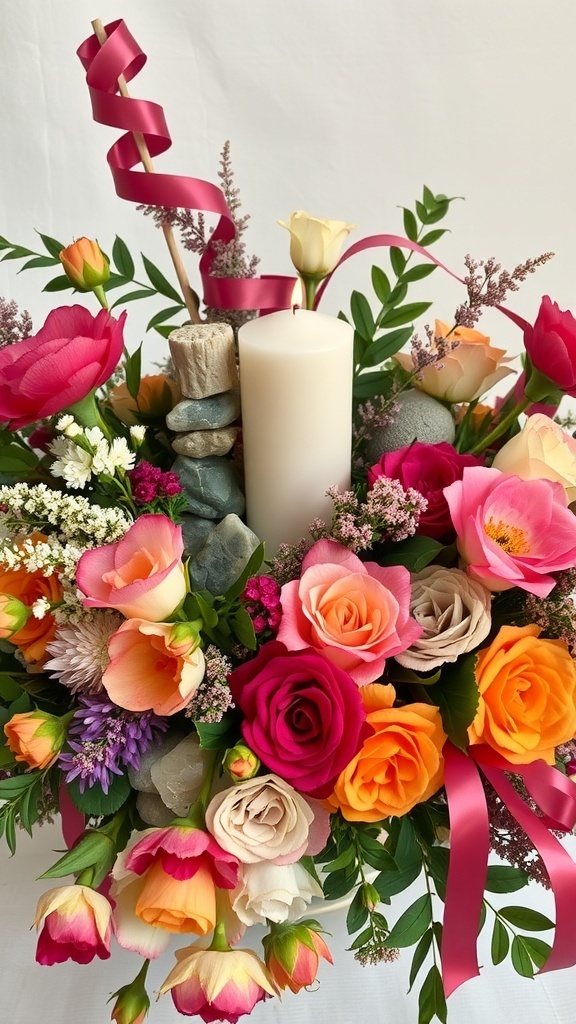
When arranging flowers, accents and decorative elements can make a big difference. They add character and charm to your bouquet, transforming it from simple to stunning. In the image, you can see a beautiful arrangement that showcases this idea perfectly.
The vibrant colors of the flowers, like pinks and oranges, create a lively atmosphere. Notice how the soft white candle in the center adds a touch of elegance. It’s not just about the flowers; it’s about how you combine different elements to create a cohesive look.
Ribbons, like the pink ones in the arrangement, bring a playful touch. They can be tied around the bouquet or draped elegantly to enhance the visual appeal. Rocks and greenery also serve as great accents, providing texture and depth to the arrangement.
Don’t shy away from experimenting! Mixing various elements can lead to unique designs. Whether it’s a special occasion or just to brighten your space, adding these accents will surely elevate your floral arrangement.
Incorporating Foliage for Texture and Depth
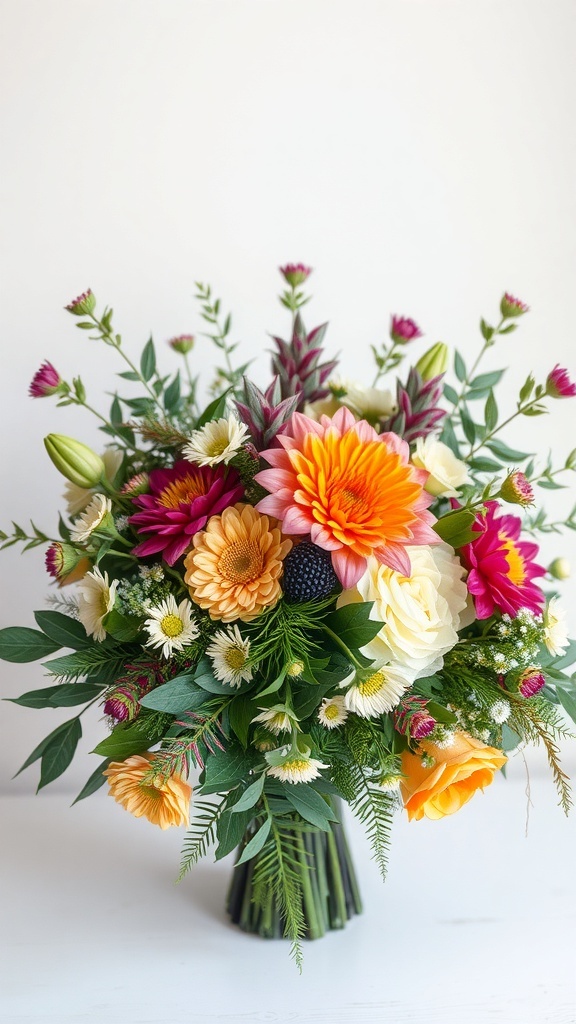
When arranging flowers, adding foliage is a simple way to create texture and depth. The image shows a vibrant bouquet filled with various flowers, but it’s the greenery that really ties everything together.
Notice how the leaves and stems complement the colorful blooms. They provide a backdrop that enhances the flowers’ beauty. Using different types of foliage can add layers and interest to your arrangement.
For example, ferns and eucalyptus can give a soft, flowing look, while sturdier leaves like magnolia can add structure. Mixing textures keeps the arrangement dynamic and visually appealing.
Don’t forget to consider the color of your foliage. Dark green leaves can make bright flowers pop, while lighter greens can create a more subtle, airy feel. Experimenting with different combinations can lead to stunning results.
Ultimately, incorporating foliage is about balancing the flowers and creating a cohesive look. So grab some greens, and let your creativity flow!
Creating Balance in Your Floral Arrangement
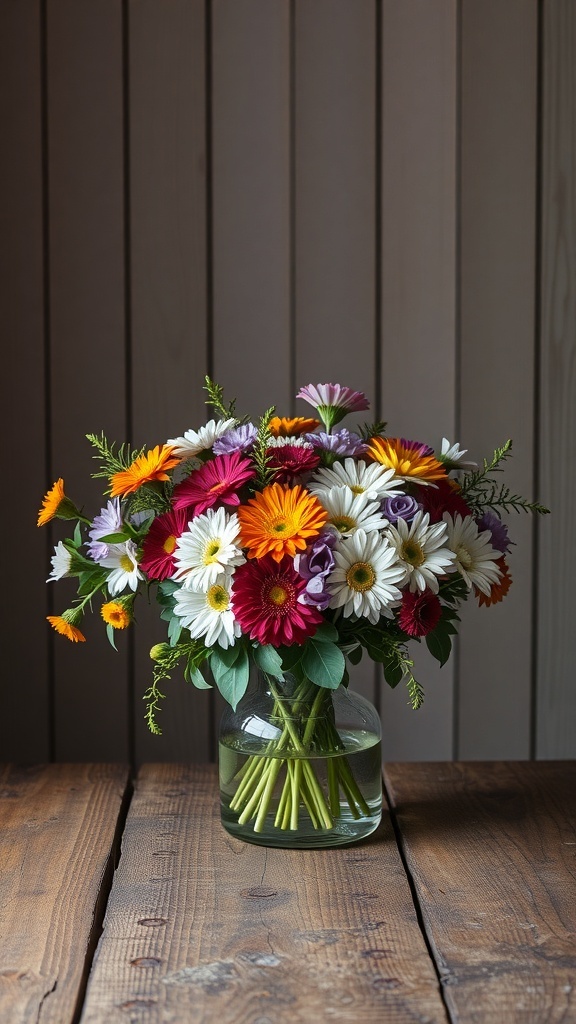
Creating balance in your floral arrangement is key to making it visually appealing. The image shows a beautiful bouquet filled with vibrant flowers in a clear vase. The mix of colors and types of flowers adds life to the arrangement.
To achieve balance, consider the size and shape of your flowers. Larger blooms, like the bold gerbera daisies in the bouquet, can be placed strategically to anchor the arrangement. Surround them with smaller flowers to create a sense of harmony.
Another tip is to distribute colors evenly. Notice how the bright orange and deep purple flowers are balanced by the white daisies. This mix keeps the eye moving and makes the arrangement feel complete.
Don’t forget about texture! Adding greenery, like the leaves in the bouquet, brings depth and contrast. This helps to soften the overall look and adds interest.
Finally, step back and assess your work. Sometimes, a little adjustment can make a big difference. With these tips, you can create a balanced floral arrangement that is sure to impress!
Choosing the Right Flowers for Your Arrangement
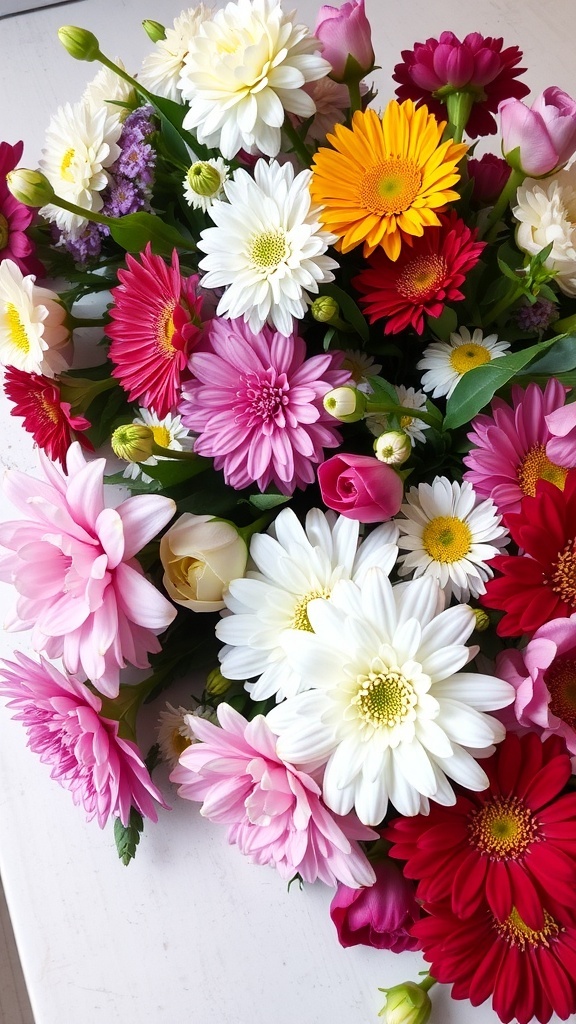
Picking the right flowers can make or break your arrangement. The image shows a vibrant mix of flowers, including daisies, tulips, and gerberas. Each flower adds its own charm and character to the bouquet.
Start by thinking about the occasion. Bright colors like yellow and pink can bring joy and cheer, perfect for celebrations. On the other hand, softer hues like white and lavender can create a calming effect, ideal for a more serene setting.
Next, consider the season. Spring brings a variety of blooms, while winter may limit your options. Using seasonal flowers not only enhances your arrangement but also supports local growers.
Lastly, think about the size and shape of your arrangement. Larger flowers can serve as focal points, while smaller blooms can fill in gaps. Mixing different shapes and sizes adds depth and interest.
Using Color Theory to Enhance Your Arrangement
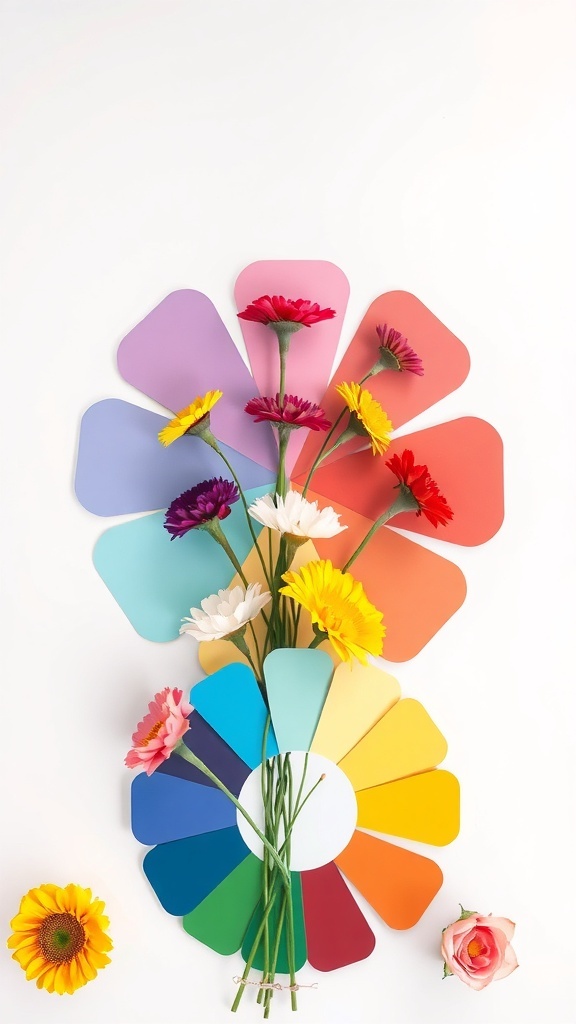
Color theory plays a big role in flower arrangements. It helps you choose colors that look great together. In the image, you can see a vibrant mix of flowers alongside color swatches. This setup shows how different colors can complement each other.
When arranging flowers, think about the color wheel. Colors opposite each other, like blue and orange, create contrast and excitement. On the other hand, colors next to each other, like yellow and green, offer a more calming effect. This balance can make your arrangement more appealing.
In the image, the bright flowers pop against the pastel swatches. This contrast draws the eye and creates interest. You can use this idea when selecting flowers for your own arrangements. Try mixing bold colors with softer shades to achieve a dynamic look.
Don’t forget about the mood you want to create. Warm colors like reds and yellows can evoke energy and happiness. Cool colors like blues and purples can bring a sense of peace. Think about the feelings you want to inspire when choosing your flowers.
Finally, play around! Experiment with different combinations. The more you practice, the more confident you’ll become in using color theory to enhance your floral designs.
Understanding Flower Placement Techniques
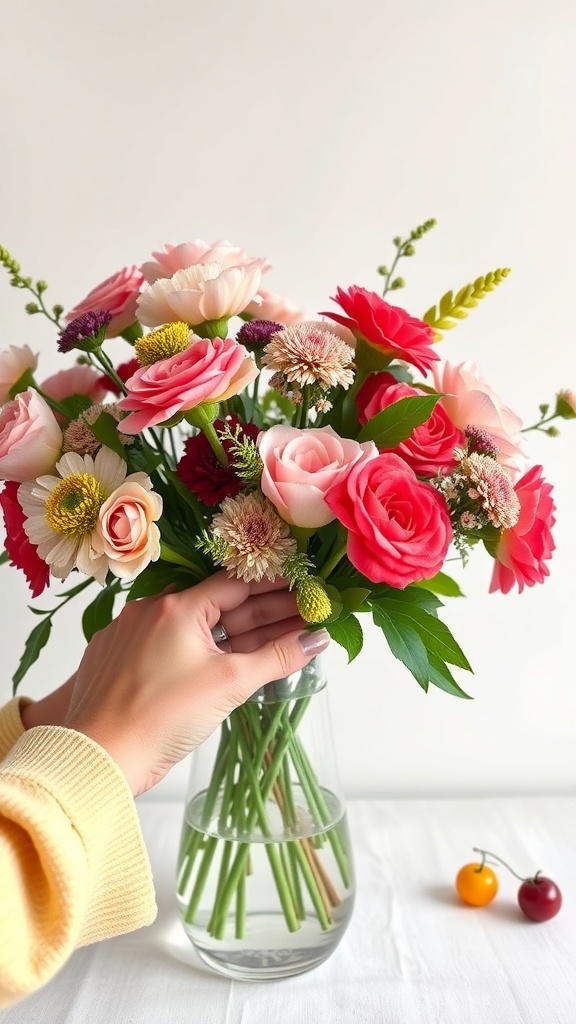
Arranging flowers can be a fun and creative task. The image shows a lovely bouquet with various blooms, highlighting the beauty of thoughtful placement. Notice how the colors and shapes of the flowers complement each other, creating a pleasing visual effect.
When arranging flowers, start by choosing a focal point. This could be a larger flower or a unique shape that draws the eye. In the image, the pink roses serve as a great focal point. Surround it with smaller flowers and greenery to add depth and texture.
Next, consider the height of your arrangement. Varying the lengths of the stems can create a dynamic look. The image shows a mix of heights, which adds interest. Don’t be afraid to trim stems to achieve the desired height.
Finally, balance is key. Distribute colors and shapes evenly throughout the arrangement. In the picture, the vibrant reds and soft pinks are balanced with greenery, making the bouquet feel harmonious. Keep stepping back to check how it looks from different angles.
Personalizing Your Arrangements for Special Occasions
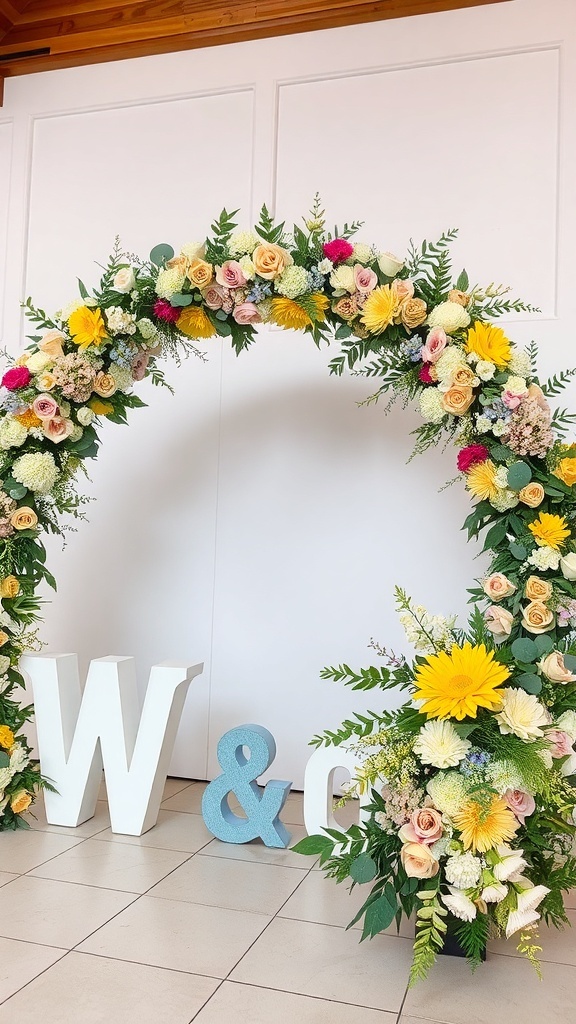
Flowers can transform any event into something special. Take a look at this stunning floral arch, perfect for weddings or celebrations. The mix of colors and textures creates a warm and inviting atmosphere.
When arranging flowers for a special occasion, think about the theme. The arch in the image features soft pinks, vibrant yellows, and lush greens. These colors can reflect the mood you want to set. For a romantic vibe, consider using pastel shades like blush and cream.
Don’t forget about the details! Personal touches, like incorporating the initials ‘W’ and ‘C’ in the display, can make the arrangement feel unique. You can also add elements that represent the couple or the event, like favorite flowers or symbols.
Lastly, consider the setting. The clean white backdrop in the image highlights the flowers beautifully. Make sure your arrangement complements the venue to enhance the overall experience.
Seasonal Flower Arranging Ideas
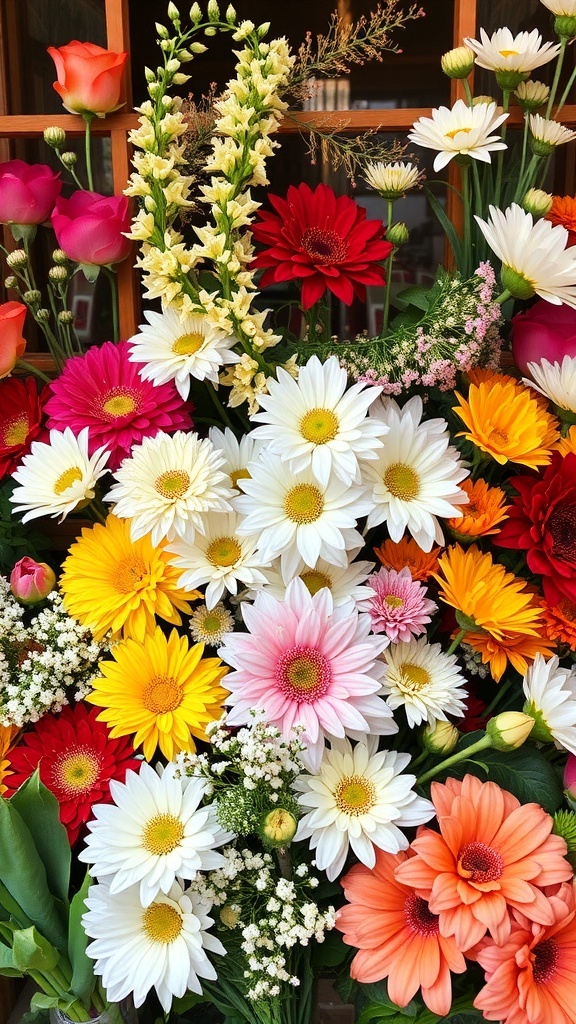
Spring brings a burst of color and life, making it the perfect time for flower arranging. The image showcases a vibrant mix of flowers, including daisies, roses, and gerbera daisies, all in various shades. This lively palette can inspire your seasonal arrangements.
Start with a base of greenery to give your arrangement structure. Then, layer in larger blooms like the bright yellow daisies and bold red gerbera daisies. These flowers can serve as focal points, drawing the eye and adding depth.
Next, fill in with smaller flowers, such as the delicate white blooms and pink roses. These can add texture and contrast to your arrangement. Don’t forget to include some filler flowers, like the tiny white blossoms, to create a fuller look.
For a fresh touch, consider using seasonal flowers that are readily available. Mixing different shapes and sizes will keep your arrangement dynamic and interesting. Remember, the key is to have fun and let your creativity shine!
Add a Comment