

Deciding between a shower tray and a wet room for your bathroom remodel? Each option has its unique advantages and can significantly impact the space’s functionality and style. This guide walks you through key differences in installation, aesthetics, space considerations, and maintenance to help you make an informed choice that perfectly fits your vision for a serene bathroom retreat.
Cleaning and Maintenance Tips
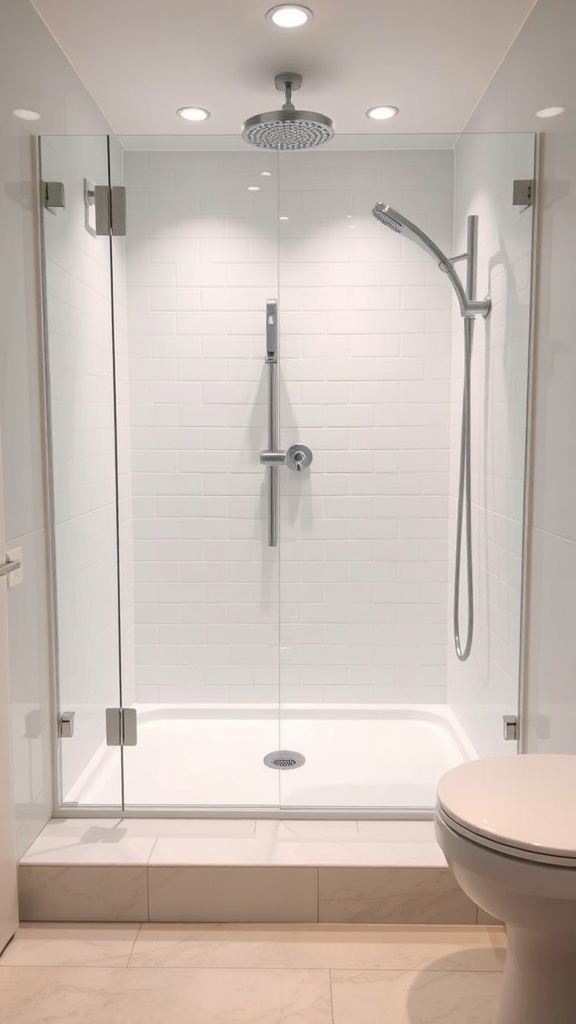
Keeping your shower tray clean is straightforward. Use a mild cleaner and a soft cloth to wipe down the surfaces regularly. This helps prevent soap scum and mildew buildup. For the drain, a quick rinse with hot water can keep it flowing smoothly.
In a wet room, maintenance is a bit different. The seamless design makes cleaning easier, but you still need to pay attention to the grout lines and drainage. A squeegee after each use can help minimize water spots and keep everything looking fresh.
For both options, consider using non-slip mats to enhance safety and make cleaning easier. Regularly check for any signs of wear or damage, especially around seals and joints, to avoid bigger issues down the line.
Stylish Design Choices for Your Bathroom
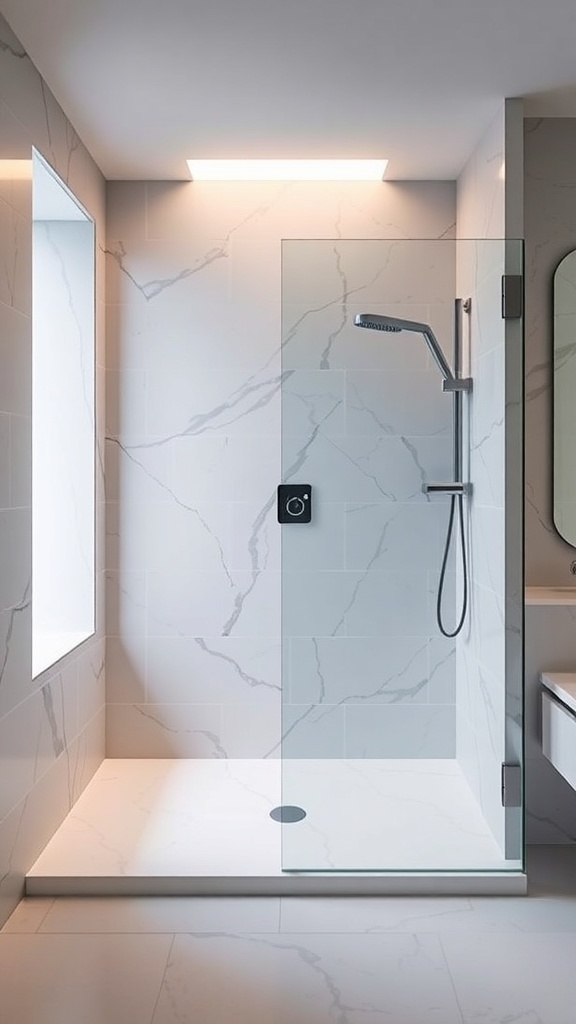
When it comes to bathroom design, the choice between a shower tray and a wet room can really set the tone. The image showcases a sleek shower area featuring a glass panel, clean lines, and elegant marble tiles. This modern look is perfect for those wanting a touch of luxury in their daily routine.
The shower tray in the image is designed with defined edges, giving it a structured feel. This can be a great option for smaller spaces where you want to maximize functionality without sacrificing style. The minimalist design keeps the area looking open and airy.
On the other hand, a wet room offers a seamless experience, blending the shower area with the rest of the bathroom. If you prefer a more spa-like atmosphere, this could be the way to go. Both options have their unique appeal, so think about what fits your lifestyle best.
Accessibility Features in Modern Bathrooms
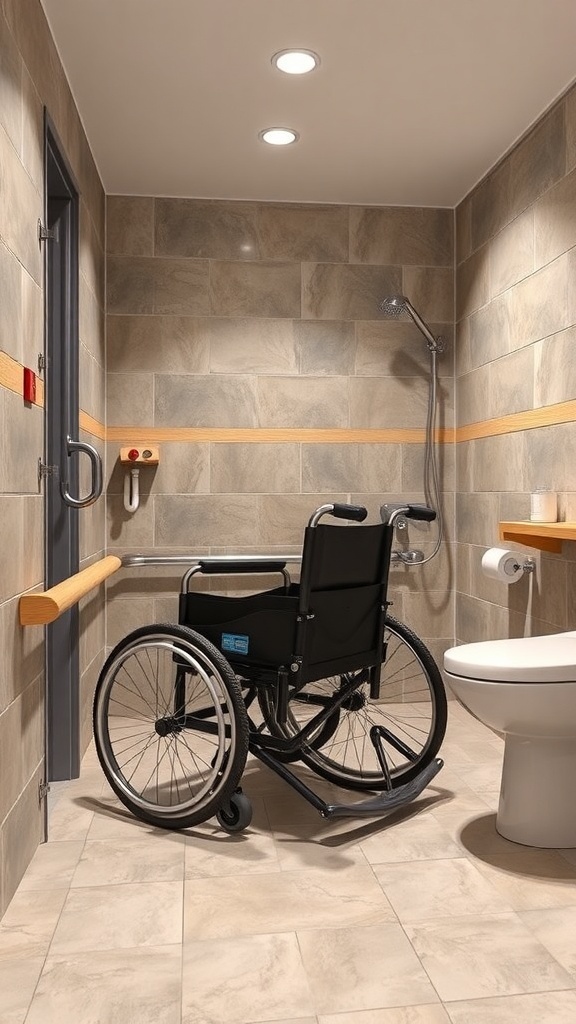
Accessibility is key in modern bathroom design. The image shows a spacious bathroom equipped for wheelchair users. Notice the wide doorway and the grab bars along the walls. These features make it easier for individuals with mobility challenges to navigate the space safely.
The shower area is designed without a step, allowing for easy access. This is a significant advantage of wet rooms, as they provide a seamless transition from the bathroom floor to the shower area. A well-planned layout ensures that everything is within reach, enhancing comfort and independence.
Incorporating features like non-slip flooring and adjustable showerheads can further improve safety. These elements not only promote accessibility but also contribute to a stylish and modern look. Whether you choose a shower tray or a wet room, focusing on accessibility ensures that your bathroom is welcoming for everyone.
Optimizing Space in Small Bathrooms
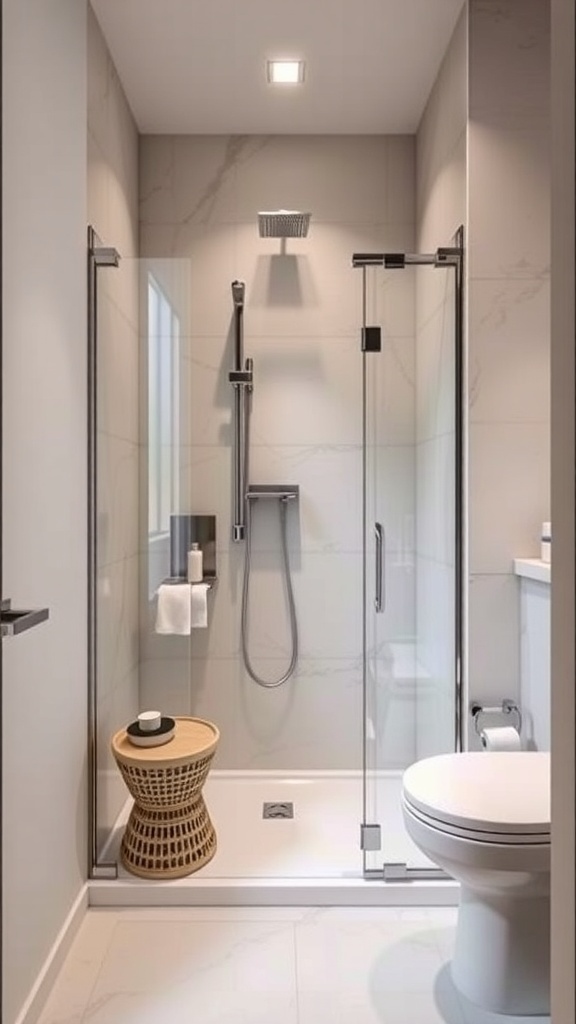
When dealing with small bathrooms, every inch counts. A shower tray can be a smart choice for tight spaces. It offers a defined area for showering without overwhelming the room. The sleek design keeps things tidy, making it easier to maintain a clean look.
In the image, you can see a well-designed shower area with a glass enclosure. This setup not only maximizes space but also creates an illusion of openness. The light color scheme and minimalistic decor contribute to a more spacious feel.
Wet rooms can be more challenging in smaller layouts. While they provide a seamless look, they require more floor space for proper drainage. If you love the idea of a wet room, consider a compact design that integrates well with the rest of your bathroom.
Ultimately, the choice between a shower tray and a wet room in a small bathroom comes down to your personal style and practical needs. Think about how you use the space and what will make it feel most comfortable for you.
Understanding Shower Trays and Wet Rooms
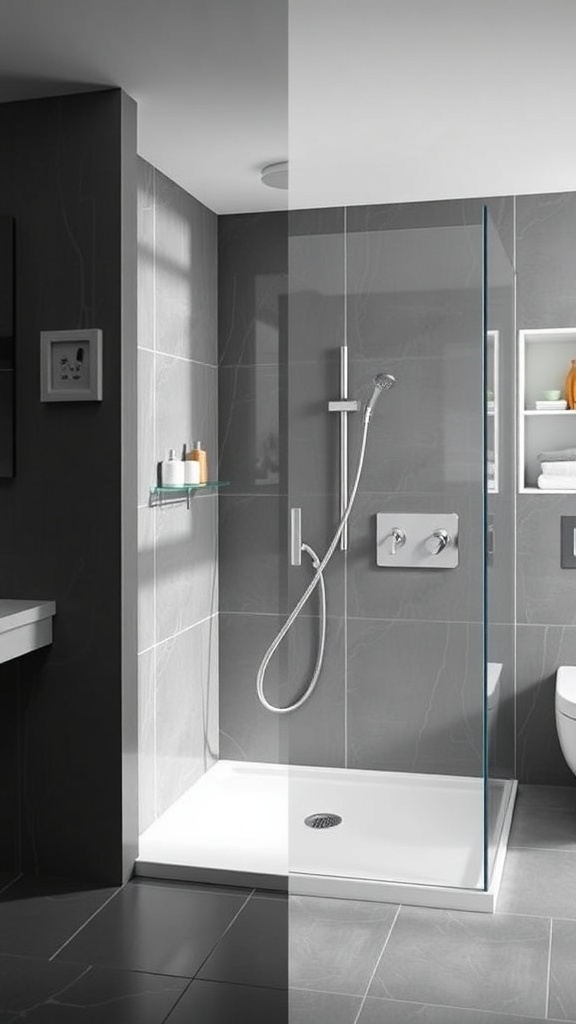
When it comes to bathroom renovations, choosing between a shower tray and a wet room can be a big decision. The image shows a clear split between the two styles, highlighting their distinct features. On one side, you see a shower tray, which has defined edges and a structured look. This design is practical and fits well in smaller spaces.
On the other side, the wet room offers a seamless, open-plan feel. The floor is fully waterproofed, allowing for an integrated drainage system. This design creates a luxurious atmosphere, making the bathroom feel more like a spa. Both options have their own charm and functionality, making it essential to consider your space and style preferences.
Evaluating Costs for Your Renovation
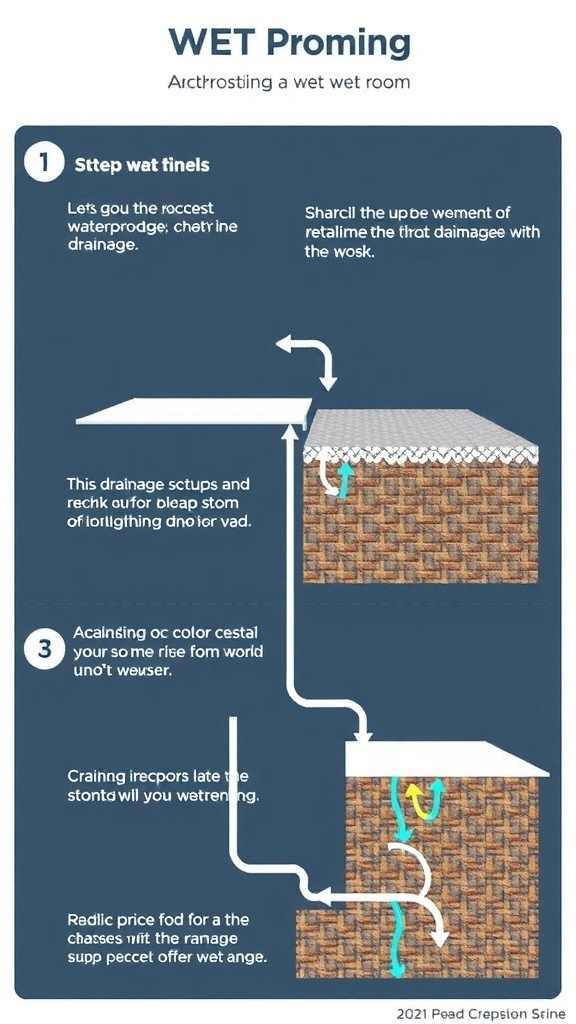
When it comes to bathroom renovations, understanding the costs is key. The image provides a clear comparison between shower trays and wet rooms, highlighting their respective price ranges and installation requirements.
Shower trays are generally more budget-friendly, making them a popular choice for those looking to save. They are easier to install, which can also reduce labor costs. On the other hand, wet rooms require a higher initial investment due to the extensive waterproofing needed. This can make them a more costly option upfront.
However, wet rooms can offer long-term benefits. They tend to have a longer lifespan and can add significant value to your home. The image shows a breakdown of various costs associated with both options, helping you make an informed decision.
Ultimately, it’s important to weigh your budget against your renovation goals. Think about what fits your style and needs, and don’t forget to factor in maintenance costs down the line.
Installation Process: What to Expect
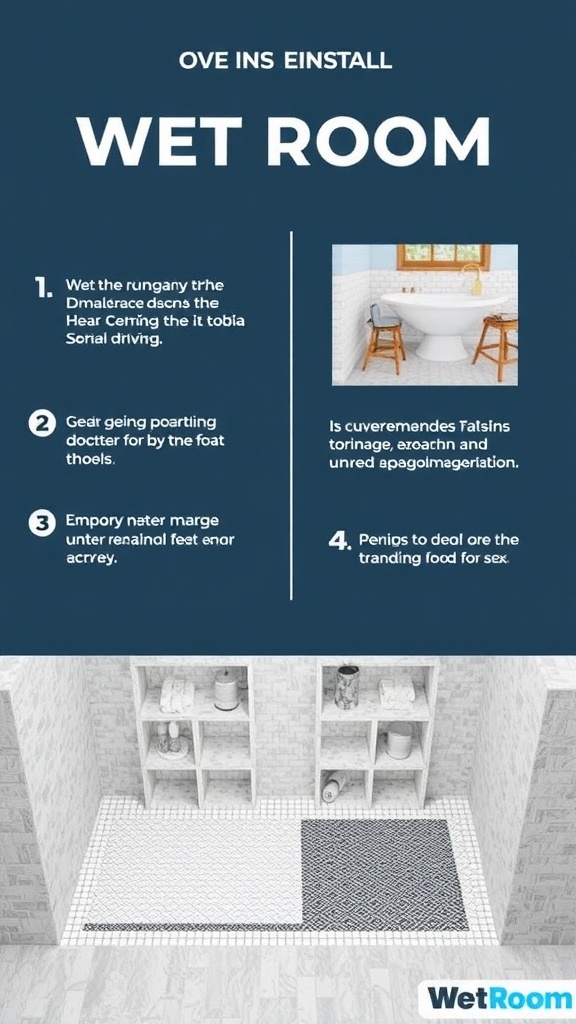
When it comes to installing a wet room, there are a few key steps to keep in mind. First, the space needs to be fully waterproofed. This involves using a tanking membrane to ensure no water seeps through. The image shows a well-designed wet room with a sleek look, highlighting the importance of proper drainage placement.
The drainage setup is crucial. It should be positioned correctly to allow water to flow seamlessly into the drain. This prevents any pooling and maintains a clean, modern aesthetic. The image illustrates the drainage area, emphasizing its integration into the overall design.
Next, you’ll want to consider the flooring. Non-slip tiles are often recommended for safety. The image hints at a stylish tile choice that complements the wet room’s design while ensuring functionality.
Finally, the installation process can take some time, especially with the waterproofing and drainage setup. However, the end result is a beautiful, open space that feels luxurious and modern.
Choosing the Right Waterproofing Materials
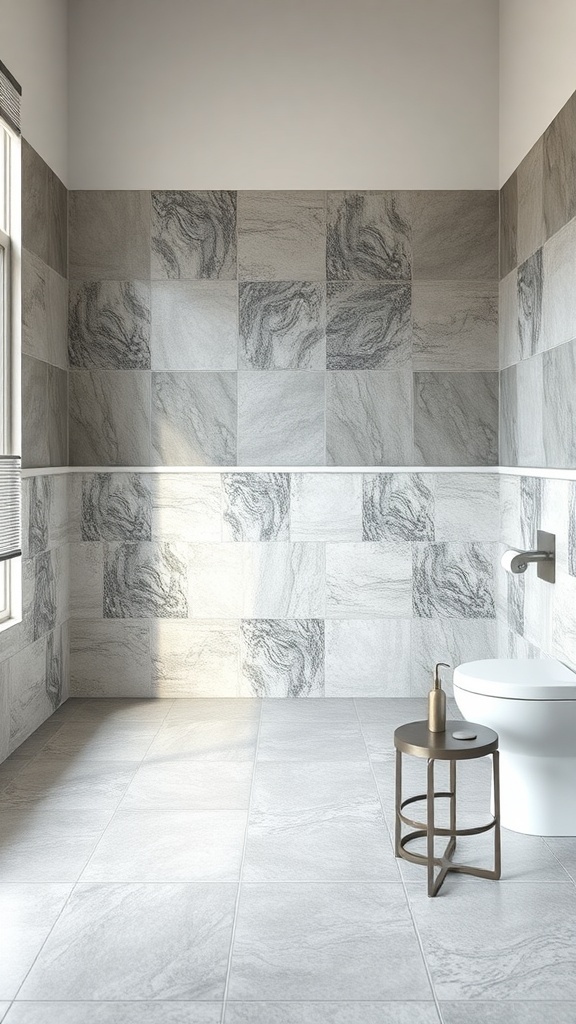
When it comes to waterproofing your bathroom, the materials you choose play a big role in the overall success of your project. In the image, you can see a beautifully designed bathroom featuring sleek, gray tiles that create a modern and clean look. This style not only enhances aesthetics but also serves a practical purpose.
For a wet room, materials like microcement or specialized waterproof tiles are ideal. They provide a seamless finish and help prevent water from seeping into the walls or floor. On the other hand, if you opt for a shower tray, traditional ceramic or porcelain tiles can work well, especially when paired with a good waterproof membrane underneath.
Consider slip-resistant options for safety, especially in wet areas. The right flooring can make a significant difference in both style and functionality. Remember, a cohesive design with matching tiles for the floor and walls can elevate the entire space.
Inspiring Bathroom Design Trends for 2026
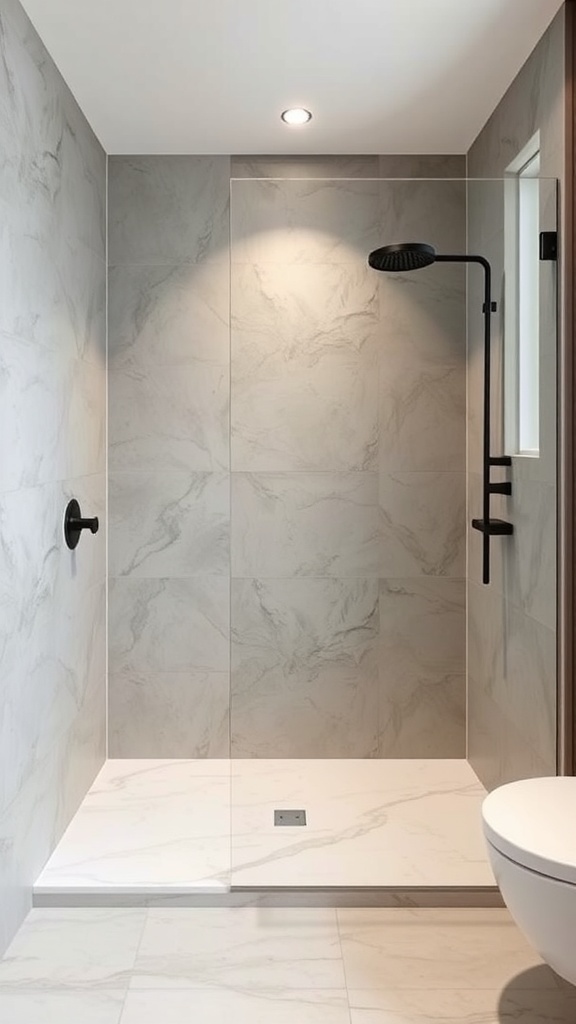
The image showcases a sleek shower tray design that embodies modern elegance. The clean lines and minimalist aesthetic make it a standout choice for contemporary bathrooms. The use of large, marble-effect tiles adds a touch of luxury, while the black fixtures provide a striking contrast.
This design trend emphasizes simplicity and functionality. The frameless glass screen allows for an open feel, making the space appear larger and more inviting. Such elements are perfect for those looking to create a spa-like atmosphere in their home.
For 2026, expect to see more of these stylish, low-profile shower trays that blend seamlessly into the overall bathroom design. They not only enhance the visual appeal but also offer practical benefits, making them a popular choice for renovations.
Making the Right Choice for Your Bathroom
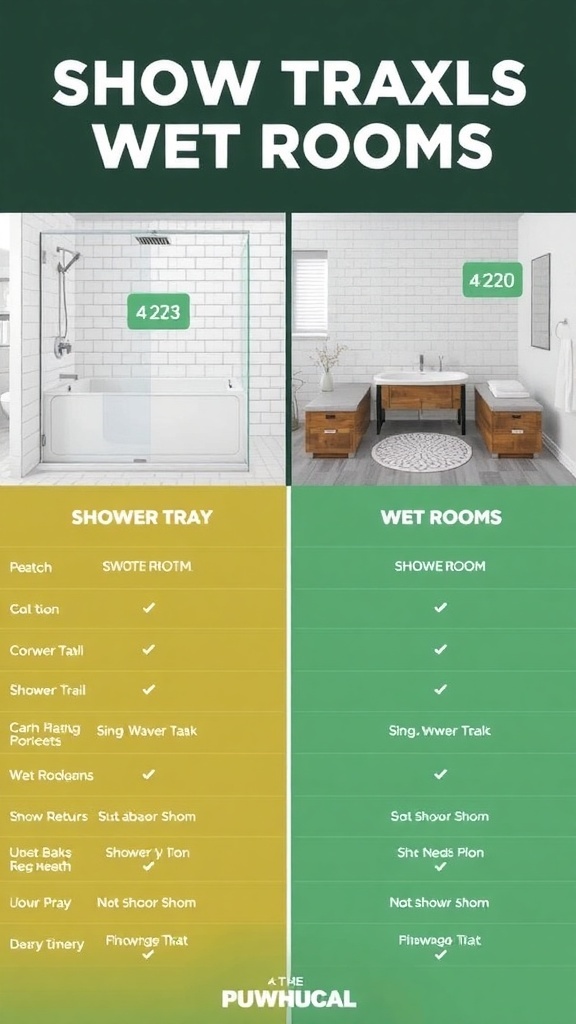
Choosing between a shower tray and a wet room can feel overwhelming, but it doesn’t have to be. Each option has its unique benefits that can enhance your bathroom experience.
A shower tray offers a defined space, making it a great fit for smaller bathrooms. It’s easy to install and maintain, which is perfect for those who want a quick upgrade. The sleek design can complement various styles, from modern to traditional.
On the other hand, wet rooms create a seamless, open feel. They are ideal for larger spaces and provide a luxurious touch. With no barriers, they can be more accessible, making them a great choice for everyone.
When deciding, think about your space, budget, and personal style. Both options can transform your bathroom into a stylish retreat.
Add a Comment