
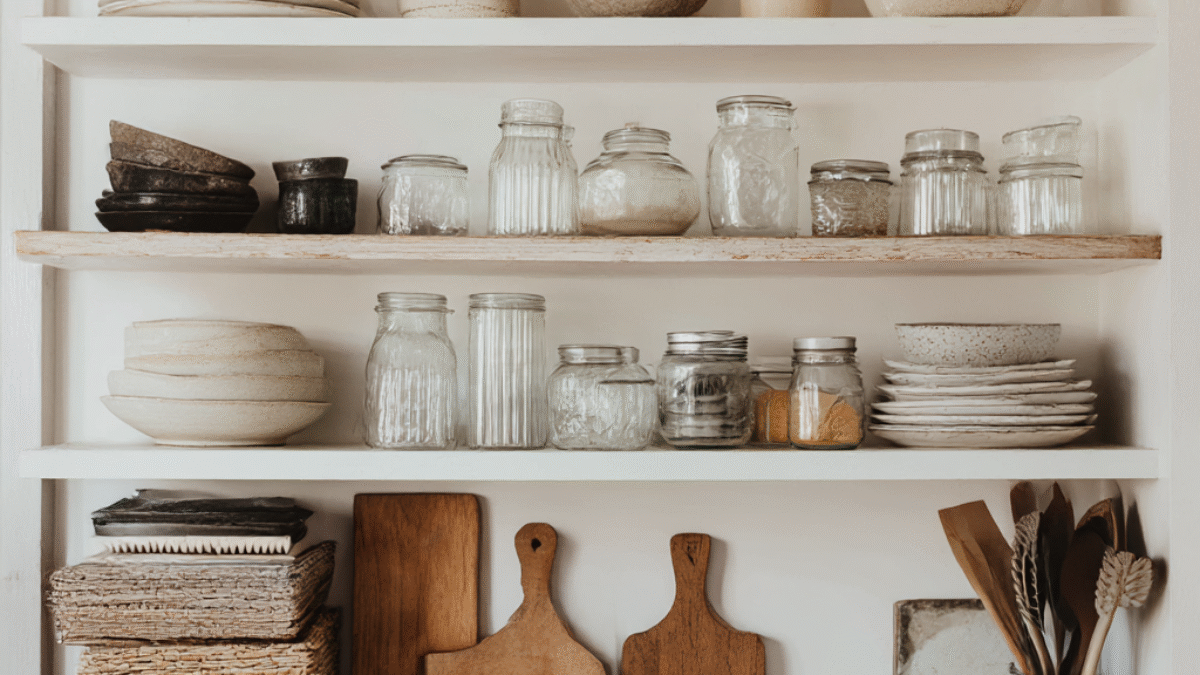
Slow living isn’t just a trend; it’s a refreshing mindset that can help you maintain a clutter-free home. By adopting a few simple habits, you can create a calm and organized environment that reflects your values and lifestyle. Here are 11 slow living habits to make it easier to keep your space tidy and serene.
Digital Detox Techniques
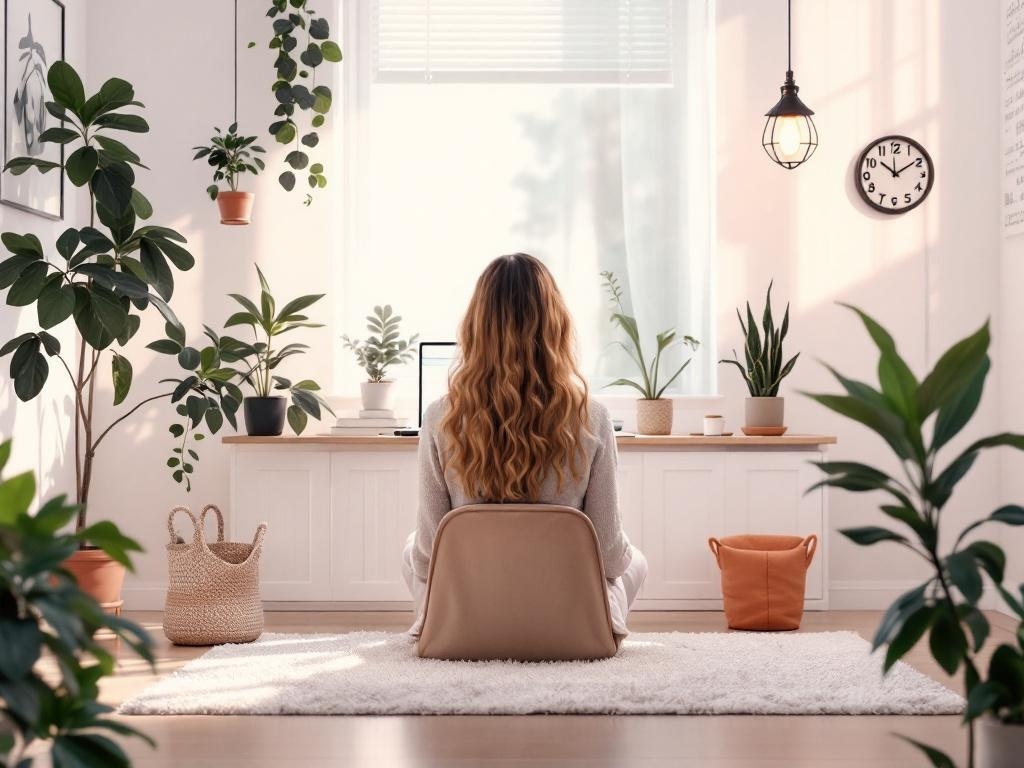
In today’s fast-paced world, a digital detox can be a refreshing change. The image shows a serene space where someone is taking a moment to unplug. Surrounded by plants and natural light, this setting promotes calmness and focus.
Creating a clutter-free environment starts with reducing digital distractions. Set specific times to check emails or social media. This helps in managing your time better and keeps your mind clear.
Consider designating a tech-free zone in your home. This could be a cozy corner with a chair and some plants, just like in the image. Use this space to read, meditate, or simply enjoy some quiet time.
Another technique is to limit notifications on your devices. Constant pings can lead to a cluttered mind. By silencing these distractions, you can focus on what truly matters.
Lastly, try a digital detox day each week. Spend this time engaging in offline activities. Whether it’s cooking, gardening, or just enjoying nature, these moments can help you feel more grounded and connected.
Intentional Space Design

Creating an intentional space is key to maintaining a clutter-free home. The image shows a bright, airy room with a simple yet stylish design. The wooden ceiling adds warmth, while the large windows invite natural light, making the space feel open and inviting.
The round table and minimalist chairs create a cozy dining area, perfect for gatherings or quiet meals. The plants add a touch of life, reminding us that nature can enhance our living spaces. This design encourages mindfulness and helps keep distractions at bay.
Choosing furniture that serves a purpose and complements the room’s aesthetic is essential. The clean lines and neutral colors promote a sense of calm, making it easier to relax and enjoy your surroundings. A clutter-free environment can lead to a clutter-free mind.
Quality Over Quantity Mindset

When it comes to keeping your home clutter-free, adopting a quality over quantity mindset is key. The image shows a neatly organized closet with a selection of clothing that is both stylish and functional. Each piece is carefully chosen, reflecting a thoughtful approach to personal style.
This mindset encourages you to invest in fewer, high-quality items instead of filling your space with countless lesser-quality pieces. It’s about appreciating what you have and making sure each item serves a purpose or brings you joy.
By focusing on quality, you not only reduce clutter but also create a more harmonious living environment. Each item in your home should feel like a treasure, rather than just another thing to manage.
So, next time you’re tempted to buy something new, ask yourself if it truly adds value to your life. This simple shift can lead to a more organized and peaceful home.
Daily Decluttering Rituals

Daily decluttering rituals can make a big difference in keeping your home organized. Picture a cozy room filled with plants and natural light, where someone is happily sorting through items. This scene captures the essence of a clutter-free lifestyle.
When you set aside a few minutes each day to tidy up, it becomes a simple habit. Start by picking a specific area, like your kitchen counter or living room. Gather items that don’t belong and put them back in their place. This small act can lead to a more peaceful environment.
In the image, you can see a person joyfully unpacking a box. This reflects the idea of letting go of unnecessary items. Consider creating a donation box for things you no longer use. It’s a great way to declutter while helping others.
Another tip is to make decluttering fun. Put on some music or set a timer for a quick 10-minute clean-up. You’ll be surprised at how much you can accomplish in a short time. The key is to make it a daily practice, turning it into a ritual that keeps your home feeling fresh.
Seasonal Purging Practices

Seasonal purging is a great way to keep your home clutter-free and organized. The image shows a family engaging in this practice during the fall. They are surrounded by colorful autumn leaves and pumpkins, creating a cozy atmosphere. The dad is sorting through a box, while the kids are involved in the process, making it a fun family activity.
Every season brings a chance to reassess what you have. As the leaves change, it’s a good reminder to change your space too. Start by going through items that you no longer use or need. This could include clothes, toys, or seasonal decorations. The family in the image seems to be enjoying this process, which can be a rewarding experience.
Involving everyone in the family makes it easier and more enjoyable. You can set aside a day each season to tackle different areas of your home. This not only helps in decluttering but also teaches kids the importance of maintaining a tidy space. Plus, it’s a great way to bond and create lasting memories.
Mindful Consumption Practices
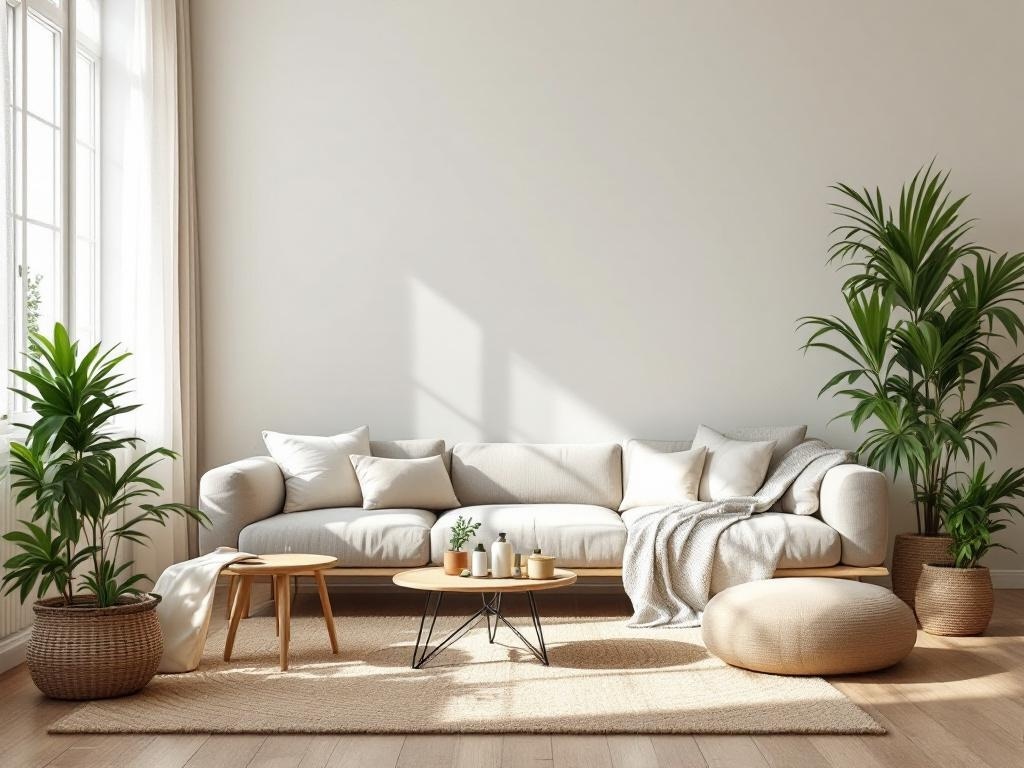
In a world filled with choices, practicing mindful consumption can make a big difference in keeping your home clutter-free. The image shows a cozy living room, filled with natural light and minimal decor. This space feels inviting and calm, which is exactly what mindful consumption aims to create.
When you choose items for your home, think about their purpose and how they contribute to your daily life. The simple furniture and plants in the image reflect a focus on quality over quantity. Each piece serves a function and adds to the overall feel of the room.
Consider investing in fewer, high-quality items that you truly love. This approach not only reduces clutter but also creates a space that feels more personal and meaningful. The soft textures and natural elements in the room highlight how thoughtful choices can enhance your living environment.
Mindful consumption also means being aware of what you bring into your home. Before making a purchase, ask yourself if it aligns with your lifestyle and values. This practice helps you avoid impulse buys and keeps your space serene.
Routine Maintenance Habits
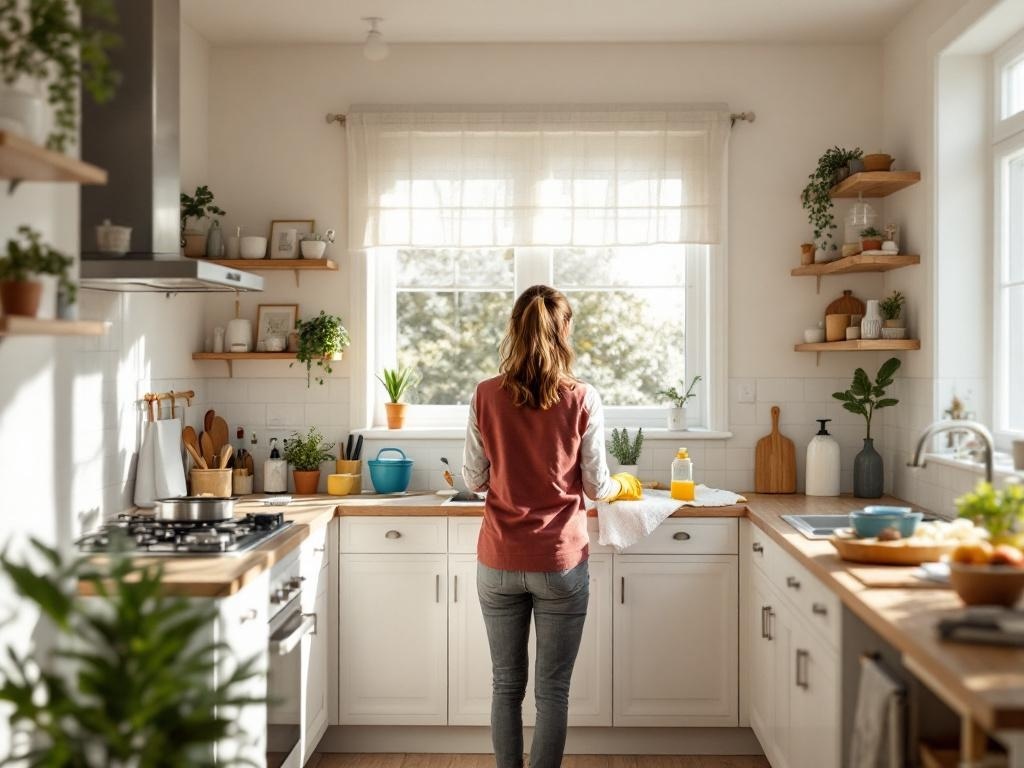
Keeping your home clutter-free is all about establishing simple routines. The image shows a person in a cozy kitchen, enjoying a moment of calm while tending to daily tasks. This scene perfectly captures the essence of slow living, where each action is intentional and mindful.
Start with small daily habits. For instance, washing dishes right after meals can prevent a pile-up. This not only keeps your kitchen tidy but also makes cooking more enjoyable. Notice how the person in the image is engaged in this routine, creating a sense of peace in their space.
Another great habit is decluttering as you go. If you notice items out of place, take a moment to return them to their designated spots. This simple act can make a big difference. The plants and organized shelves in the image reflect a well-maintained environment, showing how a little effort goes a long way.
Finally, set aside a few minutes each week for deeper cleaning. This could be wiping down surfaces or organizing a drawer. The person in the image seems to be in a space that feels fresh and inviting, which is the goal of these maintenance habits. Embrace these routines, and you’ll find your home remains a sanctuary of calm.
Gratitude Journaling for Clarity
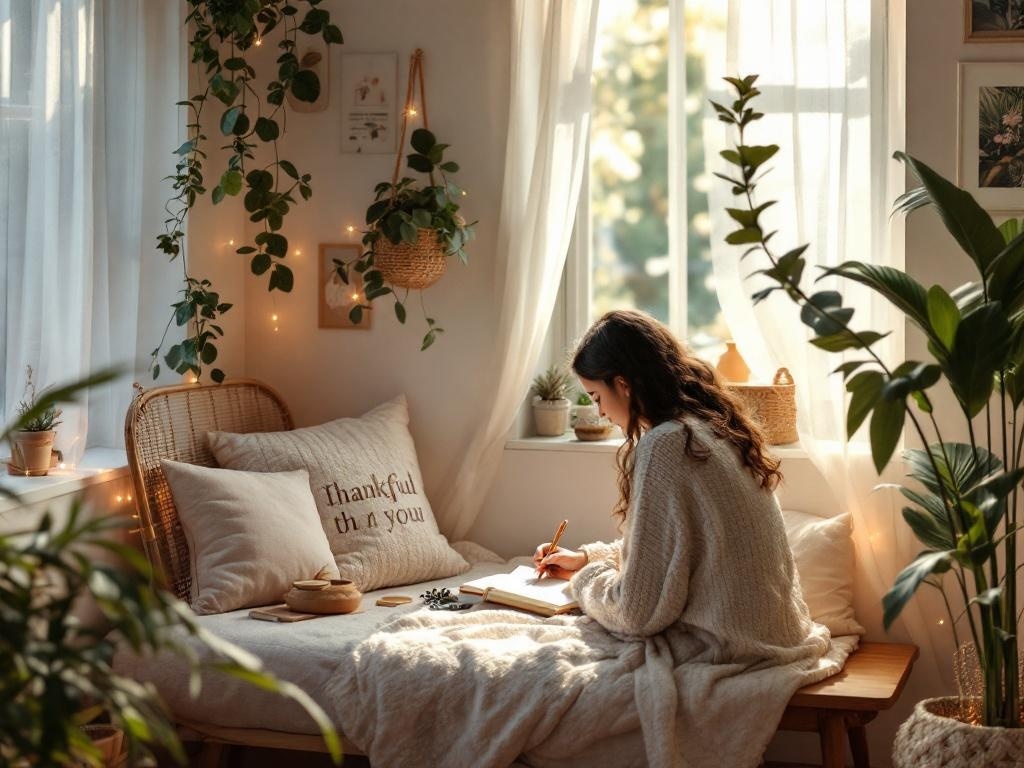
Gratitude journaling is a simple yet powerful practice that can bring clarity to your life. The image captures a serene space, where a person sits comfortably, writing in a journal. Surrounded by plants and soft lighting, this cozy nook invites reflection and mindfulness.
In this peaceful setting, the act of writing becomes a moment of connection with oneself. The soft textures of the blanket and cushions add to the comfort, making it an ideal spot for introspection. The phrase ‘Thankful for you’ on the pillow serves as a gentle reminder to appreciate the little things.
When you take time to jot down what you’re grateful for, it helps clear mental clutter. This practice encourages you to focus on the positives, which can lead to a more organized and peaceful mindset. Over time, you may find that your home feels less cluttered, both physically and mentally.
Creating a dedicated space for gratitude journaling can enhance this experience. Whether it’s a corner of your living room or a cozy spot by the window, having a place that feels inviting can motivate you to write regularly. So grab a journal, find your favorite spot, and start jotting down what you appreciate in life!
Mindful Meal Planning

Meal planning is a fantastic way to keep your home clutter-free. When you plan your meals, you reduce food waste and save time. This means fewer last-minute grocery trips and less clutter in your kitchen.
In the image, we see a person happily preparing fresh ingredients. The kitchen is bright and organized, filled with colorful fruits and vegetables. This setup not only looks inviting but also encourages healthy eating habits.
To get started with mindful meal planning, choose a day each week to map out your meals. List the ingredients you need, and stick to that list when shopping. This helps avoid impulse buys that can clutter your pantry.
Consider simple recipes that use similar ingredients. For example, if you buy spinach, plan to use it in salads, smoothies, and pasta dishes. This way, you maximize your ingredients and minimize waste.
Finally, don’t forget to prep your meals in advance. Chop veggies or cook grains ahead of time. This makes it easier to whip up meals during the week and keeps your kitchen tidy.
Community Sharing Initiatives

Community sharing initiatives are a wonderful way to keep your home clutter-free while connecting with others. In the image, we see a vibrant scene filled with people exchanging goods like fruits and vegetables. This kind of gathering not only promotes sustainability but also fosters a sense of community.
When neighbors come together to share their surplus, it reduces waste and encourages mindful consumption. Instead of letting extra produce go to waste, people can swap items they don’t need for something they do. This simple act can lead to a more organized home and a happier community.
These initiatives can take many forms, from community gardens to organized swap meets. They create opportunities for everyone to contribute and benefit, making it easier to declutter your space. Plus, it’s a great way to meet new friends and learn about local resources.
Sustainable Storage Solutions
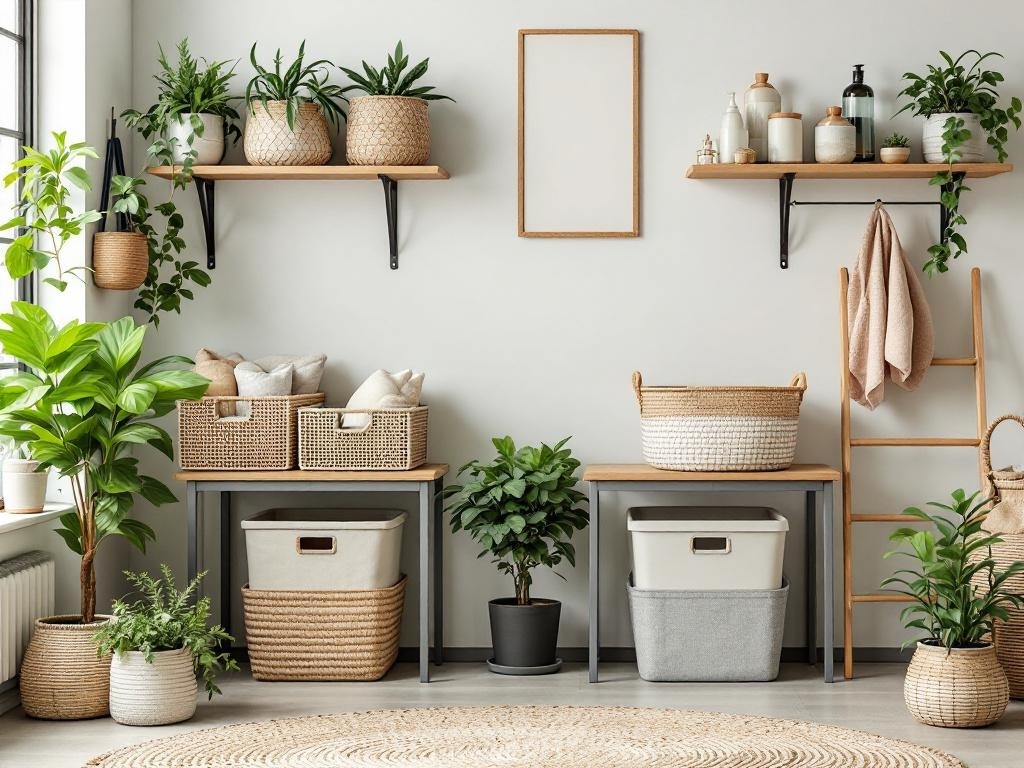
Creating a clutter-free home starts with smart storage solutions. The image shows a beautifully organized space with various storage options. You can see stylish baskets, potted plants, and neatly arranged shelves. This setup not only looks great but also promotes a calm atmosphere.
Using natural materials like wicker and cotton for storage helps keep things tidy while being eco-friendly. These baskets are perfect for holding everything from blankets to toys, making it easy to maintain order. Plus, they add a warm touch to your decor.
Incorporating plants into your storage area brings life to the space. They not only purify the air but also create a soothing environment. A few well-placed plants can make your home feel more inviting.
Consider using vertical space for storage. Shelves can hold decorative items and essentials, keeping surfaces clear. This approach maximizes space and enhances the room’s aesthetic.
Lastly, remember to regularly assess what you have. Keeping only what you truly need helps maintain a clutter-free home. With these sustainable storage solutions, your space can be both functional and beautiful.
Add a Comment