
Every garden tells a story, and stone garden beds write the most compelling chapters. These natural boundaries don’t just contain your plants; they create focal points that draw the eye and define your outdoor living space.
Stone garden beds offer something that wooden borders and plastic edging simply cannot match. They provide permanence, natural beauty, and a timeless quality that improves with age. Weather seasons them into even more beautiful features.
The versatility of stone allows you to create anything from rustic cottage gardens to sleek modern landscapes. Your personal style determines the direction, but stone provides the foundation for lasting beauty.
The Natural Appeal of Stone in Garden Design
Stone connects your garden to the natural world in ways that synthetic materials never can. Each piece carries its own character, formed over thousands of years by natural processes. This authenticity resonates with both plants and people.
The thermal properties of stone benefit your plants throughout the growing season. Stones absorb heat during the day and release it slowly at night, moderating soil temperature. This creates more stable growing conditions than exposed soil.
Maintenance becomes simpler with stone garden beds. Unlike wooden borders that rot or metal edging that rusts, properly installed stone features require minimal upkeep. An occasional cleaning maintains their appearance for decades.
11 Stunning Stone Garden Bed Ideas to Transform Your Space
1. Cottage Garden Romance with Natural Stone

The classic cottage garden bed combines weathered fieldstone with abundant flowering plants. White daisies cascade over moss-covered stones while purple lavender adds fragrance and structure. This timeless combination creates instant charm.
Natural stone edging allows plants to spill gracefully over the boundaries. The informal arrangement mimics nature’s own design principles. Gaps between stones provide drainage and opportunities for small plants to take root.
Creating this look requires choosing stones with weathered surfaces rather than fresh-cut materials. Local fieldstone or river rock works perfectly. The imperfections and variations in color create the authentic cottage garden aesthetic.
Plant selection focuses on perennials that return year after year. Combine different bloom times for continuous color throughout the growing season. Allow some plants to self-seed for that naturalistic, slightly wild appearance.
2. Modern Minimalism with Dark Stone Elements

Contemporary garden design embraces clean lines and dramatic contrasts. Dark basalt or slate creates striking boundaries for succulent gardens. The geometric precision appeals to modern sensibilities while maintaining natural materials.
Succulent plants thrive in these settings because stone provides excellent drainage. The contrast between soft plant textures and hard stone surfaces creates visual interest. Architectural plants like agave or ornamental grasses add structure.
Color palettes remain restrained in modern stone gardens. Silver-blue succulents complement dark stone perfectly. Occasional pops of bright color from flowering plants create focal points without overwhelming the design.
Maintenance stays minimal with drought-tolerant plant choices. This approach suits busy lifestyles while creating sophisticated outdoor spaces. The investment in quality stone pays dividends in long-term beauty and functionality.
3. Herb Garden Functionality Meets Stone Beauty

Herb gardens benefit tremendously from stone borders that provide both function and beauty. Natural stone retains heat that Mediterranean herbs love while creating defined growing spaces for different plant types.
Raised stone beds improve drainage for herbs that struggle in heavy soils. The elevation also makes harvesting easier and more comfortable. Thyme, oregano, and rosemary thrive in these conditions.
Stone pathways between herb beds create easy access for maintenance and harvesting. The formal structure contrasts beautifully with the informal growth habits of many herbs. This combination feels both organized and natural.
Consider dedicating different stone beds to herb categories. One bed for culinary herbs, another for medicinal plants, and a third for aromatic varieties. This organization makes gardening more efficient and enjoyable.
4. Desert Oasis with Natural Stone Accents

Desert-style gardens showcase the dramatic beauty of arid landscapes. Natural stone provides the perfect backdrop for striking succulents and cacti. The earth-tone palette creates cohesive outdoor spaces.
Gravel mulch between stones eliminates weeds while providing excellent drainage. This approach reduces maintenance while creating authentic desert aesthetics. Choose gravel colors that complement your stone selection.
Textural variety becomes crucial in desert gardens. Combine smooth river rocks with rough fieldstone. Add different sizes and shapes to create visual interest. The interplay of textures compensates for limited color palettes.
Lighting transforms desert stone gardens into evening showcases. Subtle uplighting highlights interesting plant forms and stone textures. The dramatic shadows create entirely different moods after dark.
5. Woodland Retreat with Moss-Covered Stones

Shade gardens benefit from the natural moisture retention of stone borders. Moss naturally colonizes stone surfaces in humid conditions, creating that magical woodland atmosphere. This ecosystem develops naturally over time.
Ferns and hostas thrive in these shaded stone gardens. The varied textures of different fern species create lush, layered plantings. Stone provides the structural element that prevents shade gardens from appearing formless.
Fallen logs combined with stone create naturalistic borders that suit woodland settings. This approach mimics forest floor conditions while providing plant containment. The organic shapes complement stone’s geometric qualities.
Water features integrate beautifully with woodland stone gardens. A simple bubbling spring or small stream enhances the natural atmosphere. The sound of water adds another sensory dimension to the garden experience.
6. Terraced Hillside Gardens with Stone Retaining Walls

Sloped properties present unique opportunities for terraced stone gardens. Each level creates distinct planting zones while preventing erosion. The vertical dimension adds drama and increases growing space.
Stone retaining walls must provide proper drainage to prevent water buildup. Weep holes and gravel backfill ensure structural integrity. Professional installation often proves worthwhile for walls over three feet tall.
Plant each terrace according to its specific conditions. Upper levels tend to be drier and receive more sun. Lower terraces collect moisture and may require shade-tolerant plants. This micro-climate variation increases plant diversity.
Curved terraces create more natural-looking installations than straight geometric lines. The flowing shapes work with natural topography rather than fighting against it. This approach results in more sustainable and beautiful landscapes.
7. Seasonal Color Rotation in Stone-Bordered Beds

Stone garden beds provide the perfect framework for seasonal planting schemes. The permanent structure allows you to change plants while maintaining garden design integrity. Spring bulbs give way to summer annuals and fall chrysanthemums.
Seasonal rotation keeps gardens interesting throughout the year. Plan color combinations that complement stone tones. Cool stone colors pair well with blue and purple flowers, while warm stones work with red and orange blooms.
Container plants within stone beds offer maximum flexibility. Change displays as seasons progress or when plants finish blooming. This approach allows experimentation without permanent commitments.
Evergreen plants provide year-round structure between seasonal displays. Small shrubs or ornamental grasses anchor the design when annual plants are dormant. This combination ensures four-season interest.
8. Raised Stone Beds for Improved Drainage

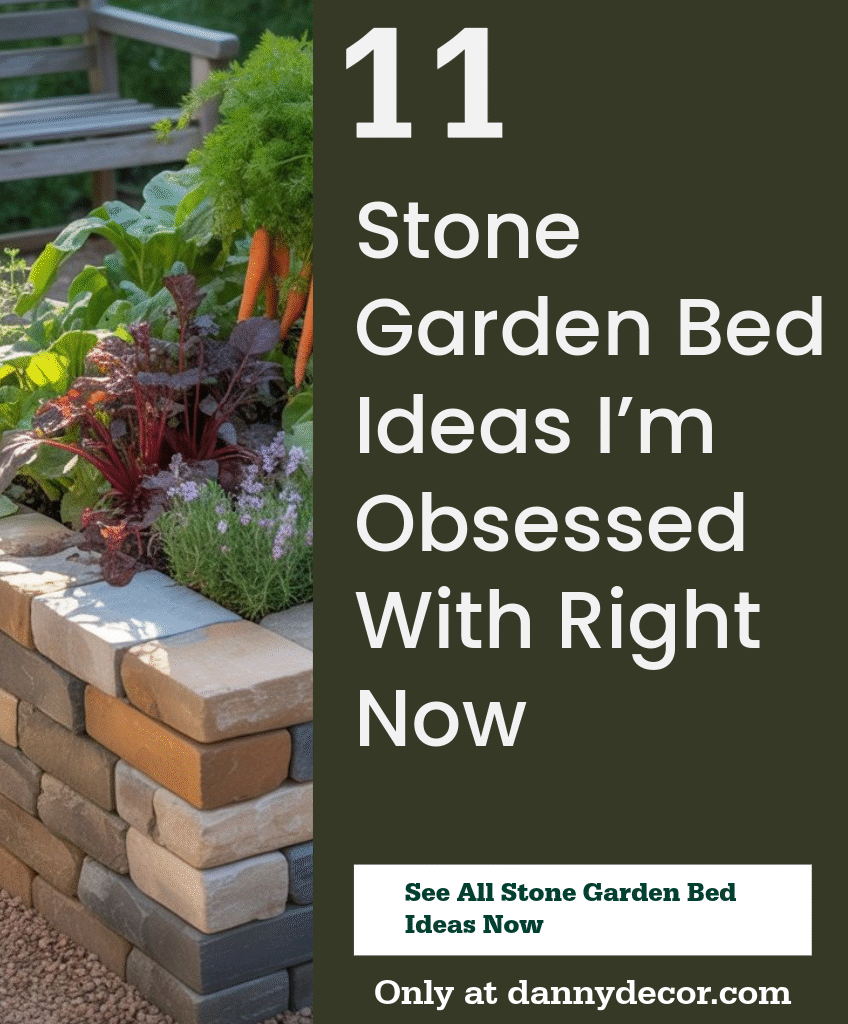
Elevated stone garden beds solve drainage problems while creating comfortable working heights. The improved soil conditions benefit plants that struggle in heavy clay or constantly wet conditions. Root vegetables and herbs particularly appreciate these conditions.
Building raised beds requires more stone material but offers superior growing conditions. The height allows for custom soil mixes tailored to specific plant needs. This control over growing medium ensures better plant performance.
Accessibility improves significantly with raised stone beds. Gardeners with mobility issues find higher beds easier to maintain. The defined edges provide places to sit while working, making garden maintenance more comfortable.
Multiple raised beds create organized growing spaces for different plant types. Dedicate individual beds to vegetables, herbs, or flowers. This separation allows for specific soil amendments and watering schedules.
9. Curved Stone Borders for Natural Flow

Curved stone borders create more natural-looking garden beds than straight geometric lines. The flowing shapes work with landscape contours rather than against them. This approach results in more harmonious outdoor spaces.
Installation of curved borders requires careful planning and skilled execution. Mark curves with garden hoses or spray paint before beginning installation. Take time to achieve smooth, flowing lines that look natural rather than forced.
Planting curved beds follows the same principles as any garden design. Use taller plants toward the back and shorter ones in front. The curved shape creates multiple viewing angles, so consider how the garden looks from different perspectives.
Maintenance of curved stone borders takes slightly more time than straight installations. The irregular shapes require more careful attention during weeding and plant care. However, the enhanced beauty justifies the additional effort.
10. Mixed Stone Types for Visual Interest

Combining different stone types creates more dynamic garden borders than single-material installations. River rock mixed with fieldstone provides textural variety. The contrast enhances both materials’ natural beauty.
Color coordination prevents mixed-stone borders from appearing chaotic. Choose stones that share similar undertones even if surface colors differ. This approach creates unity while maintaining visual interest.
Size variation adds another dimension to mixed-stone gardens. Large anchor stones provide stability while smaller stones fill gaps. This natural-looking gradation mimics stone formations found in nature.
Local stone availability often determines material choices. Combining locally sourced stones with imported accents creates unique regional character. This approach also supports local suppliers and reduces transportation costs.
11. Formal Geometric Patterns with Cut Stone

Formal gardens benefit from precisely cut stone arranged in geometric patterns. Square or rectangular beds create structured outdoor spaces that complement architectural elements. This approach works particularly well near homes and patios.
Cut stone allows for tight joints and clean lines impossible with natural fieldstone. The precision creates sophisticated appearances suitable for formal landscapes. Bluestone, limestone, and granite work well for these applications.
Plant selection for formal stone beds emphasizes structure and repetition. Boxwood hedges, ornamental grasses, and carefully pruned shrubs maintain the geometric theme. Seasonal color comes from bulbs and annuals planted in organized patterns.
Maintenance of formal stone gardens requires attention to detail. Edges must remain crisp and plantings properly pruned. This higher maintenance level suits gardeners who enjoy precision and order in their outdoor spaces.
Maintenance Strategies for Long-Term Beauty
Proper installation prevents most stone garden bed problems. Adequate drainage underneath prevents frost heaving and settling. Taking time during installation saves years of maintenance headaches.
Seasonal cleaning maintains stone appearance without harsh chemicals. Pressure washing or scrubbing with stiff brushes removes accumulated dirt and algae. Spring cleaning prepares beds for the growing season.
Weed control becomes easier with stone borders than with other materials. Hand-pulling weeds from between stones prevents root damage to desired plants. Mulching reduces weed seed germination.
Resetting loose stones prevents gradual degradation of border integrity. Annual inspection identifies potential problems before they become major issues. This proactive approach extends the life of stone installations.
Creating Your Personal Stone Garden Vision
Start with a clear vision of your desired garden style before selecting stones. Cottage gardens require different materials than modern landscapes. This planning prevents costly mistakes and ensures satisfying results.
Consider your climate and growing conditions when choosing both stones and plants. Local materials often perform better than imported options. They also complement regional architecture and landscapes more naturally.
Budget planning allows for phased installation of larger projects. Begin with priority areas and expand gradually. This approach spreads costs over time while allowing you to refine your vision through experience.
Professional consultation can prevent expensive mistakes on complex projects. Drainage, structural integrity, and plant selection benefit from expert advice. The investment often pays for itself through avoided problems.
Your stone garden bed journey begins with a single well-planned installation. Each success builds confidence for more ambitious projects. Soon you’ll discover that stone garden beds become the foundation for your entire landscape design.
Add a Comment