
Victorian maisonettes are rich with character, architectural detail, and a sense of history that modern homes often lack. When layered with pattern, these spaces become bold, expressive, and deeply stylish. A pattern-drenched Victorian interior is not about restraint. It is about confidence, cohesion, and a thoughtful mix of old and new. When done well, it feels elegant rather than overwhelming, and curated rather than chaotic.
This guide explores chic decor ideas inspired by a pattern-filled Victorian maisonette, showing how to embrace color, print, and texture while keeping interiors balanced, sophisticated, and livable.
Celebrate Pattern as a Design Language

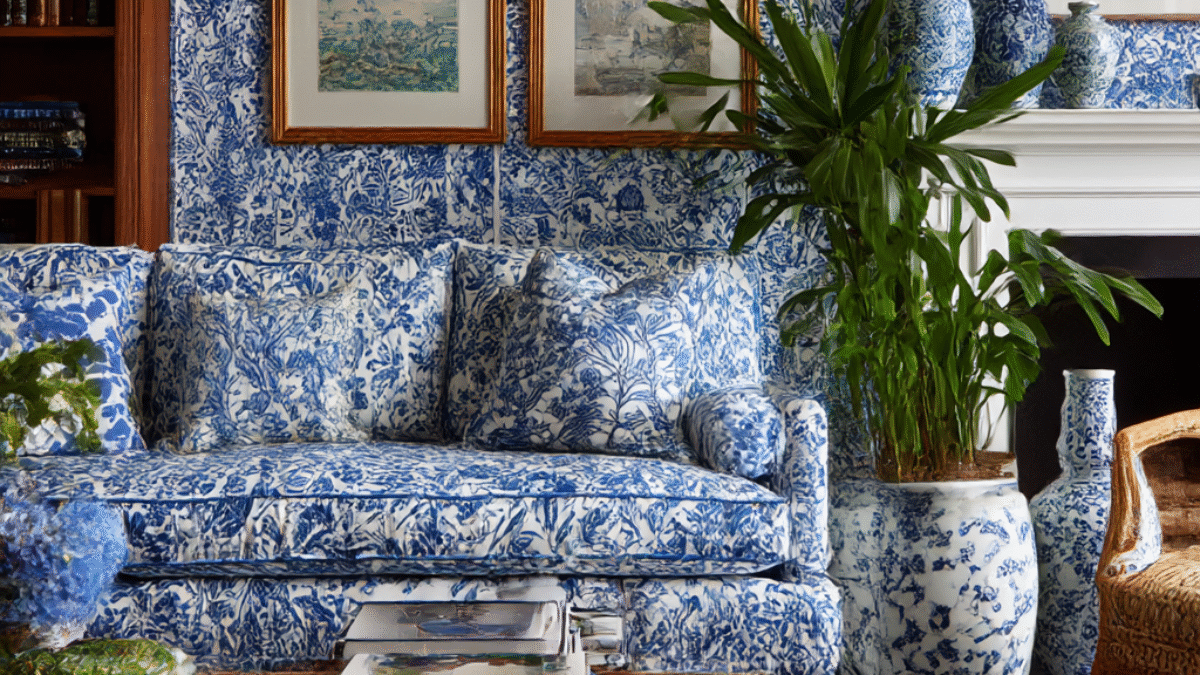
In a pattern-drenched home, pattern is treated as a unifying language rather than a single accent. Florals, stripes, geometrics, and heritage motifs coexist across walls, textiles, and upholstery. The key is consistency in tone and scale. When patterns share a similar color story or mood, they feel intentional rather than competing. Victorian homes are ideal for this approach because their ornate details naturally support visual richness.
Layer Wallpaper Across Multiple Rooms
Wallpaper is central to patterned Victorian interiors. Rather than limiting it to one feature wall, designers often extend wallpaper into hallways, dining rooms, and bedrooms. Each room may feature a different pattern, but the palette remains connected. This creates a sense of flow throughout the maisonette while allowing each space its own identity.
Mix Large and Small Scale Prints

Successful pattern layering relies on contrast in scale. Large-scale florals or murals anchor a room, while smaller prints appear in cushions, curtains, or lampshades. This variation prevents the space from feeling flat or repetitive. In Victorian settings, high ceilings and detailed cornicing allow bold patterns to breathe without overwhelming the room.
Use Color to Tie Everything Together
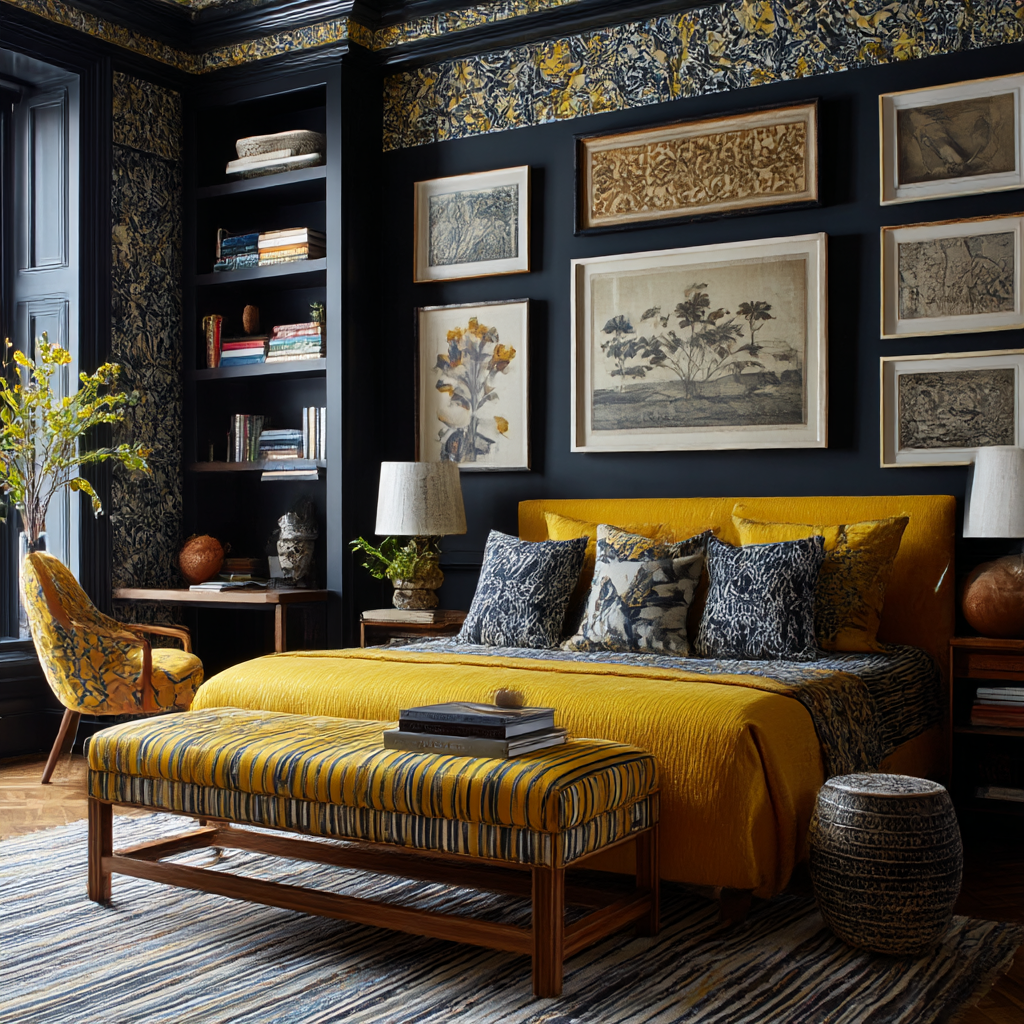
Color is the thread that holds pattern-drenched interiors together. Rather than introducing endless shades, chic Victorian homes repeat key colors across rooms and surfaces. A deep green, soft blue, or warm ochre may appear in wallpaper, upholstery, and accessories. This repetition creates harmony and makes even busy spaces feel cohesive.
Balance Pattern With Solid Anchors
Pattern thrives when balanced with solid elements. Plain painted woodwork, solid-colored sofas, or unpatterned rugs provide visual rest. In Victorian maisonettes, original features such as fireplaces, floorboards, or paneling often act as grounding elements that prevent the decor from feeling too busy.
Embrace Bold Curtains and Soft Furnishings
Curtains, cushions, and throws offer an easy way to introduce pattern without committing to permanent changes. In pattern-rich Victorian interiors, these textiles often feature bold prints that echo wallpaper designs. Layering fabrics with different textures adds depth and reinforces the luxurious, collected feel of the space.
Highlight Architectural Details
Victorian homes are full of architectural interest, and chic decor highlights rather than hides these features. Picture rails, ceiling roses, arches, and original fireplaces provide structure amidst the patterns. Painting woodwork in rich or contrasting tones further enhances these details and adds to the dramatic effect.
Curate Eclectic Furniture With Confidence
Furniture in a pattern-drenched maisonette often blends eras and styles. Antique pieces sit alongside modern silhouettes, creating contrast and personality. Upholstered furniture may feature pattern, but it is chosen carefully to complement surrounding prints. This eclectic mix keeps the space from feeling themed or overly traditional.
Add Art That Complements Rather Than Competes
Artwork in patterned interiors works best when it enhances the overall palette. Portraits, botanical prints, or abstract pieces in muted tones add interest without clashing. In Victorian settings, art often leans classic or romantic, reinforcing the heritage feel while adding layers of storytelling.
Use Lighting to Soften and Elevate
Lighting plays a crucial role in pattern-heavy interiors. Warm, layered lighting softens bold prints and creates intimacy. Table lamps, wall sconces, and shaded pendants add pools of light that highlight textures and colors. In Victorian homes, decorative lighting also enhances period charm.
Let Hallways Be Just as Bold
Hallways in Victorian maisonettes are often treated as design moments rather than transitional spaces. Patterned wallpaper, runner rugs, and framed art create a dramatic first impression. Because hallways are typically narrow, strong patterns can feel immersive and impactful rather than overwhelming.
Edit Thoughtfully to Avoid Visual Noise
Even the most expressive interiors require editing. Chic pattern-drenched homes avoid clutter by limiting accessories and choosing decor with intention. Each object earns its place. This restraint ensures that pattern remains the star while the space feels curated and livable.
Final Thoughts
A pattern-drenched Victorian maisonette proves that bold design can still feel elegant and timeless. By layering wallpaper, textiles, and color with intention, these interiors celebrate character and creativity without sacrificing balance. The most successful spaces embrace confidence, repetition, and thoughtful contrast. When patterns are unified through color and scale, they transform Victorian homes into chic, expressive environments full of warmth and personality.
Questions About Decorating With Pattern in Victorian Homes
Can pattern-drenched interiors feel calm rather than chaotic
Yes, when patterns share a cohesive color palette and are balanced with solid elements, the space feels intentional and harmonious rather than overwhelming.
How do I start adding pattern without overdoing it
Begin with wallpaper or textiles in one room and repeat a key color elsewhere. Gradually layer additional patterns while keeping furniture and flooring more neutral.
Do patterned interiors work in small Victorian spaces
They do. Smaller rooms often benefit from bold pattern because it creates atmosphere and depth. The key is confidence and thoughtful editing rather than restraint.
Add a Comment