
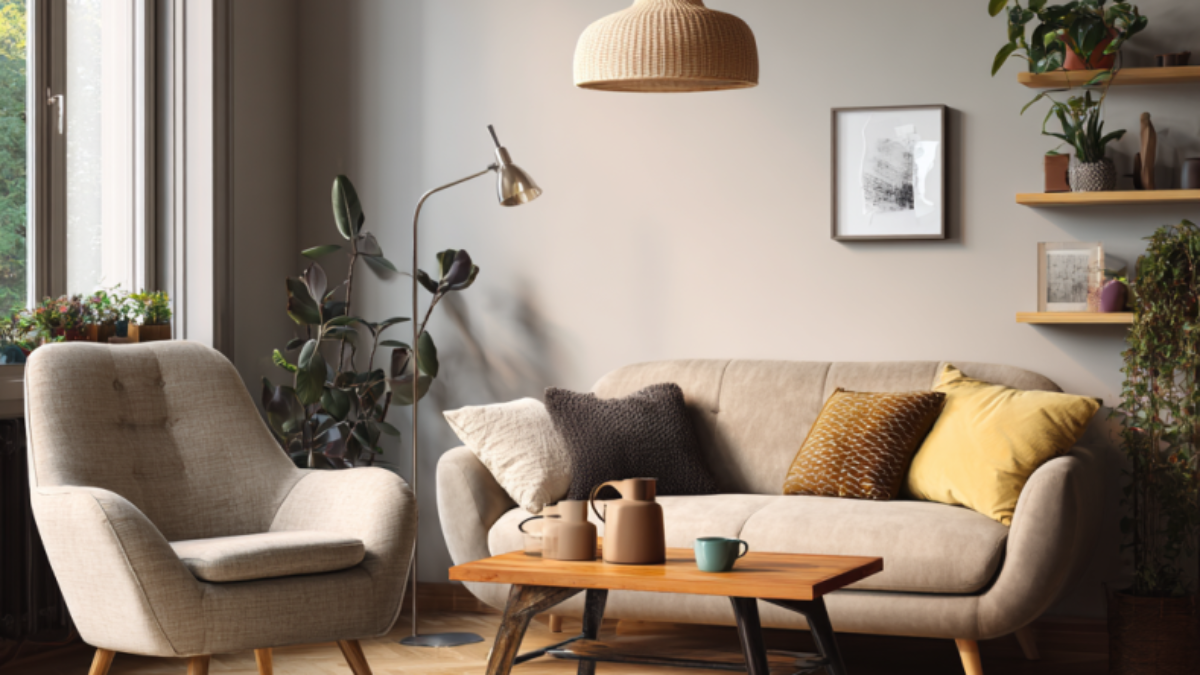
Flow is the invisible thread that ties a room together, shaping how we interact with our spaces. It’s more than just a layout; it’s about crafting an environment where movement feels effortless and every piece serves a purpose. From clever furniture arrangements to defining zones within a room, this designer-approved guide will help you achieve that perfect blend of comfort and functionality, whether you’re in a snug apartment or a sprawling home.
Mapping Out Clear Pathways for Movement
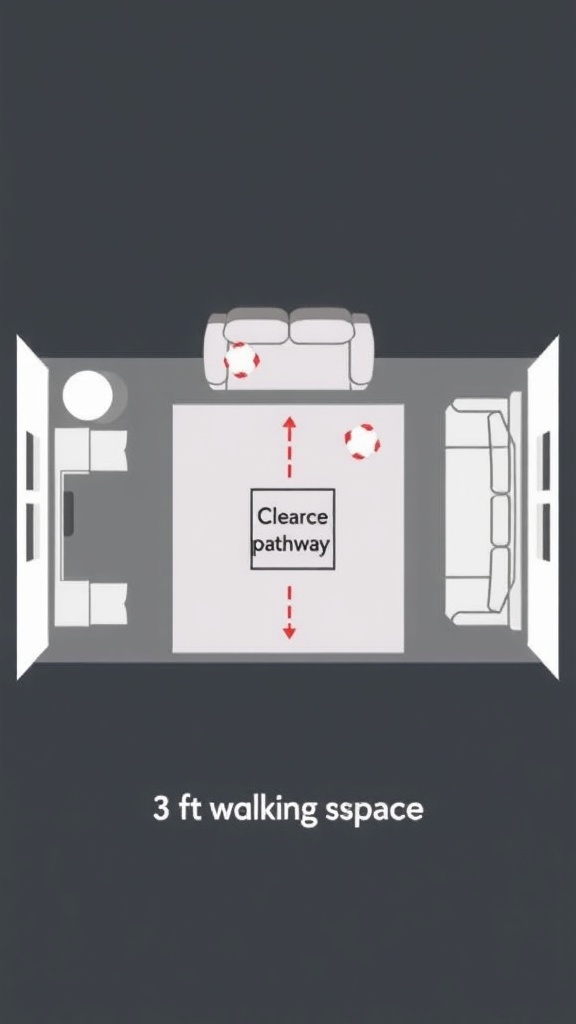
Creating clear pathways in a room is essential for comfort and flow. The image illustrates a simple layout that emphasizes the importance of allowing three feet of space for movement. This distance ensures that people can walk freely without bumping into furniture. The visual shows a central piece, likely a coffee table, with side tables and lamps positioned strategically to maintain open pathways. By keeping furniture arranged in this way, you can enhance the room’s functionality and make it feel more inviting. Remember, clear pathways not only improve movement but also contribute to a more balanced and harmonious space.
Floating Furniture for Enhanced Depth
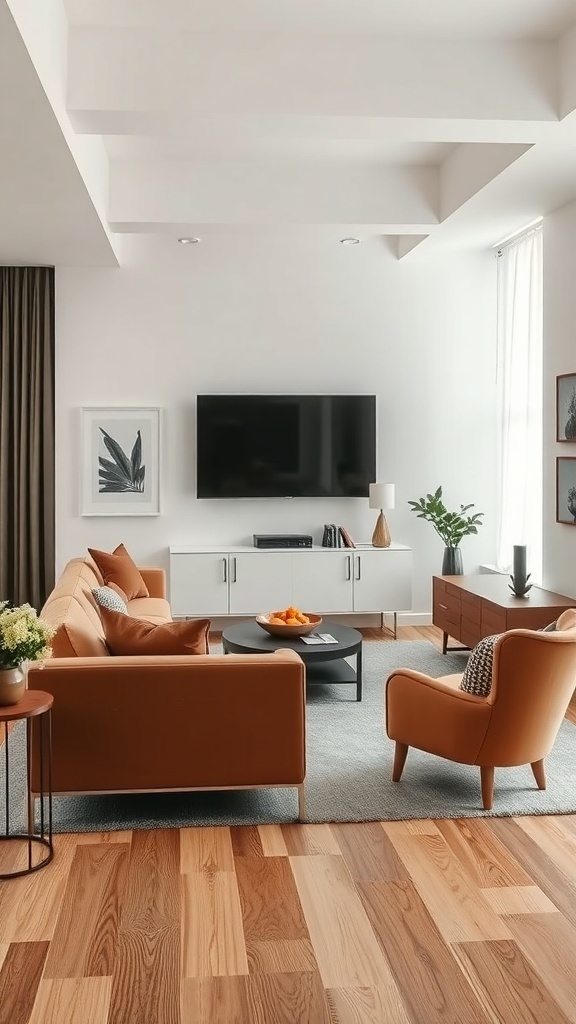
Floating furniture is a smart way to create depth in your living space. In the image, you can see how the sofa and chairs are slightly pulled away from the walls. This setup opens up the room, making it feel larger and more inviting.
When furniture is arranged away from the walls, it encourages movement and interaction. The circular coffee table in the center invites conversation and makes the space feel cozy. This layout not only enhances flow but also adds a stylish touch.
Using a rug under the seating area helps to define the space, giving it a grounded feel. It’s a simple trick that can transform the overall look of a room. So, if you want to make your space feel more dynamic, consider floating your furniture!
Understanding the Concept of Flow in Interior Design
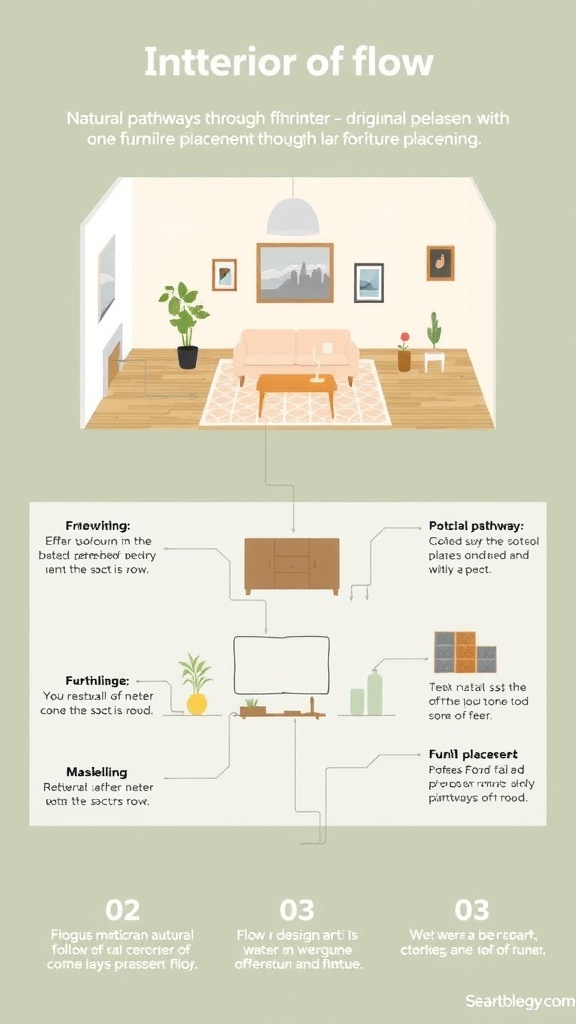
Flow in interior design refers to how people move through a space. It’s about creating natural pathways that make a room feel inviting and functional. The arrangement of furniture plays a big role in this. When pieces are placed thoughtfully, they enhance comfort and accessibility.
The image illustrates a well-designed living area where flow is prioritized. Notice how the seating is arranged to encourage conversation while leaving enough space for movement. The bright colors and plants add warmth, making the room feel alive.
Good flow means avoiding common mistakes like blocking walkways or crowding furniture against walls. Instead, aim for open sightlines and clear pathways. This not only improves the room’s functionality but also makes it feel larger and more welcoming.
Establishing a Room’s Focal Point
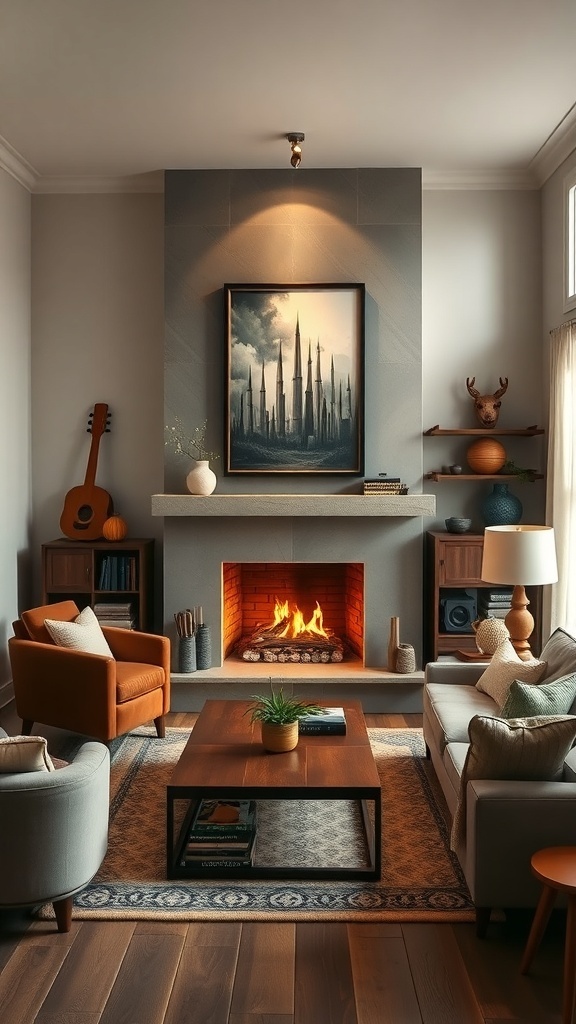
Every room needs a focal point to draw the eye and create a sense of purpose. In the image, the fireplace serves as the main attraction, surrounded by comfortable seating that encourages conversation. This setup not only highlights the warmth of the fire but also invites people to gather around.
When you choose a focal point, think about what you want to highlight. It could be a piece of art, a beautiful window, or even a unique piece of furniture. In this case, the artwork above the fireplace adds character and depth, making the space feel inviting.
Arranging furniture around this focal point is key. The sofas and chairs are positioned to face the fireplace, promoting interaction and comfort. This layout makes the room feel cohesive and well-planned, enhancing the overall flow.
If your room lacks a natural focal point, consider creating one. A large piece of art or a striking light fixture can do wonders. The goal is to have something that catches the eye and sets the tone for the rest of the space.
Choosing Scaled Furniture for Proportional Flow
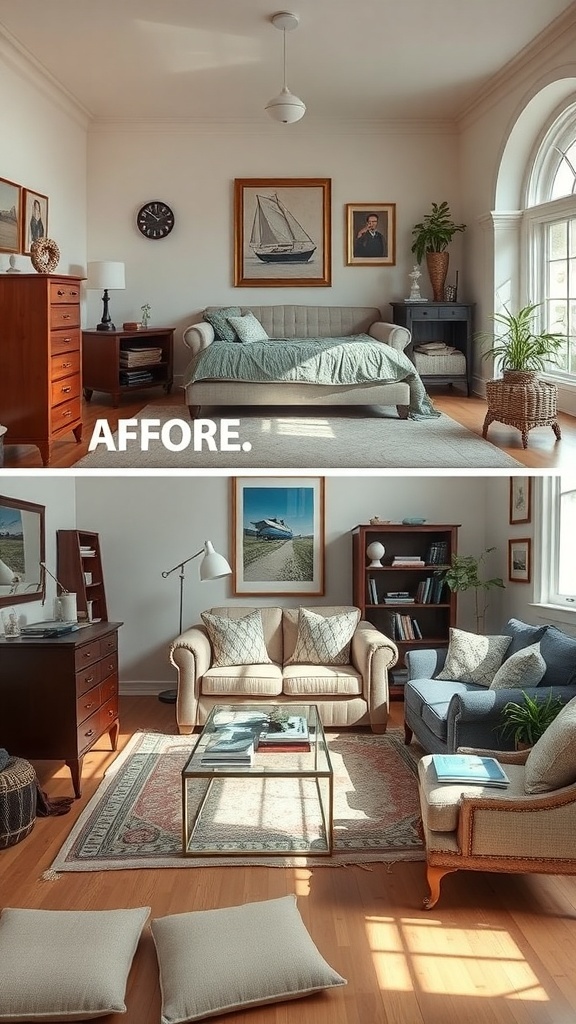
When arranging furniture, size matters. The image above shows a clear transformation from a cluttered space to one that feels open and inviting. The top half depicts a room with oversized furniture that overwhelms the space, while the bottom half showcases a well-balanced arrangement.
In the second image, you can see how choosing appropriately scaled furniture creates a sense of harmony. The sofas and chairs are proportionate to the room, allowing for easy movement and a welcoming atmosphere. This balance is essential for good flow.
Using smaller, lighter pieces in a compact room can make it feel larger. Conversely, larger furniture can anchor a spacious area without making it feel cramped. Always keep in mind the scale of your furniture in relation to the room size.
Incorporating various seating options, like the mix of sofas and accent chairs in the lower image, helps define areas without crowding. This thoughtful selection enhances both comfort and functionality.
Creating Conversation Zones with Thoughtful Arrangements

Creating conversation zones is key to making a room feel inviting and functional. In the image, we see a cozy living area where the furniture is arranged to encourage interaction. The sectional sofa is positioned to face the center, making it easy for people to engage with one another.
The coffee table acts as a natural anchor for the seating, providing a spot for drinks or snacks. Notice how the space is open and uncluttered, allowing for easy movement around the room. This thoughtful arrangement helps everyone feel included in the conversation.
In this setup, the use of soft lighting and decorative elements, like the plant and artwork, adds warmth and personality. The layout not only enhances comfort but also promotes a relaxed atmosphere, making it perfect for gatherings.
Identifying Common Furniture-Flow Mistakes
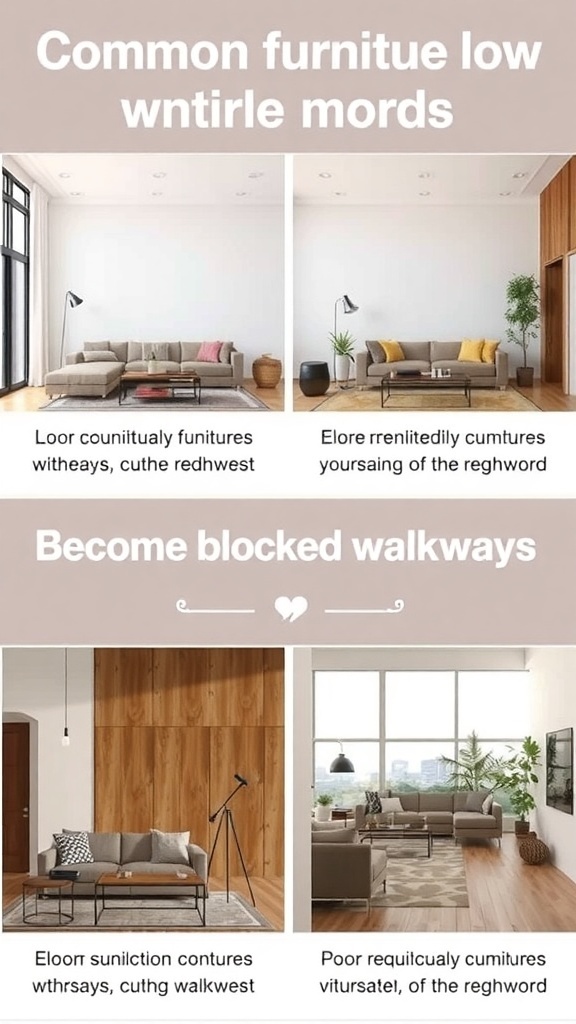
When arranging furniture, it’s easy to make mistakes that disrupt flow. The image shows two common errors: blocking walkways and pushing all furniture against the walls. Both can make a room feel cramped and uninviting.
In the first example, the sofa blocks a pathway, making it hard to move around. This can lead to frustration and a cluttered feel. In the second example, furniture is pushed against the walls, which can create a disconnected atmosphere. It’s important to find a balance that encourages movement and comfort.
Another mistake is using oversized furniture in small spaces. This can overwhelm the room and make it feel smaller. On the flip side, tiny pieces in large rooms can get lost and fail to create a cohesive look. Choosing the right scale for your furniture is key.
Lastly, ignoring architectural features like windows and fireplaces can lead to awkward layouts. These elements should guide your furniture arrangement, enhancing the room’s natural beauty and flow.
Balancing the Room with Symmetry and Asymmetry
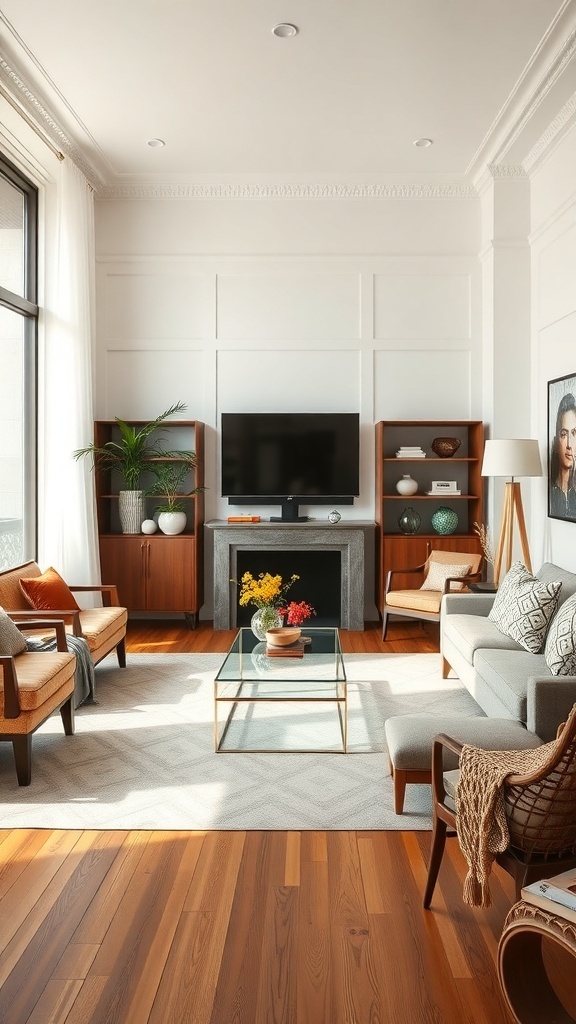
When arranging furniture, finding the right balance between symmetry and asymmetry can make a big difference. Symmetry often brings a sense of order and calm. For example, in the image, the two armchairs on either side of the coffee table create a balanced look. This setup invites conversation and makes the space feel cohesive.
On the other hand, asymmetry can add a modern touch and a sense of movement. In the same room, the placement of the plants and decorative items on the shelves introduces a playful element. This mix of styles keeps the room from feeling too rigid and allows for personal expression.
Using both approaches can enhance the overall flow. For instance, pairing symmetrical seating with asymmetrical decor can create visual interest while maintaining comfort. Remember, the goal is to make the room feel inviting and functional, so play around with different arrangements until you find what feels right.
Scaling Lighting and Tables for Optimal Functionality
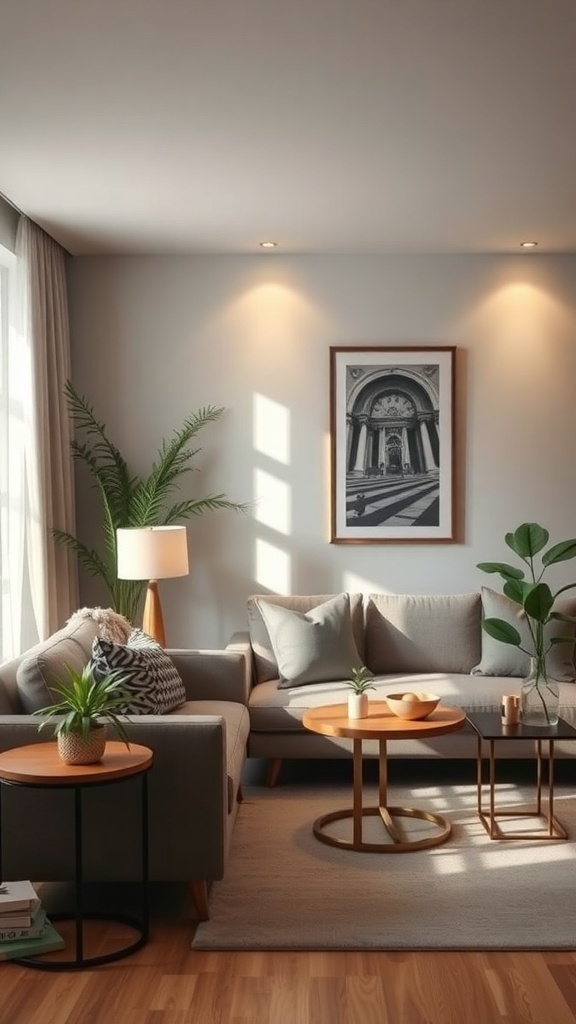
In any room, the right lighting and tables can make a big difference. The image shows a cozy living space with a comfortable sofa, stylish coffee tables, and thoughtful lighting. This setup highlights how important it is to choose the right pieces for your space.
When selecting tables, think about their height and size. They should be easy to reach from your seating area. For example, the coffee tables in the image are proportionate to the sofa, making them functional and visually appealing.
Lighting plays a key role too. Notice how the lamps provide soft illumination, enhancing the room’s warmth. Aim for a mix of overhead and table lamps to create layers of light. This not only brightens pathways but also highlights your focal points.
By scaling your lighting and tables correctly, you create a space that feels inviting and works well for everyday use. Keep these tips in mind as you arrange your own room for the best flow.
Bedroom Flow Arrangement Strategies
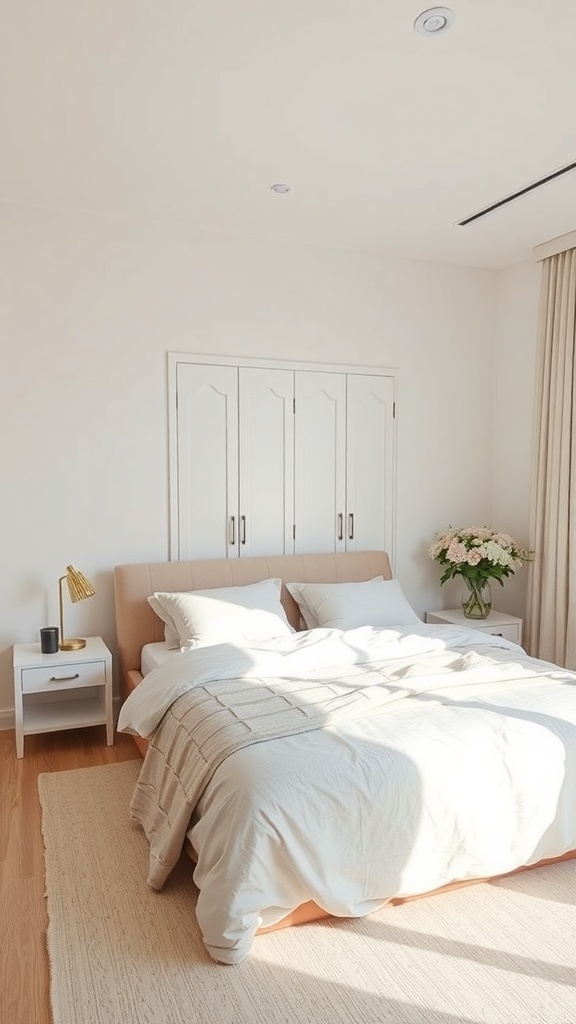
Creating a peaceful bedroom starts with smart furniture placement. The image shows a serene space with a soft color palette, a cozy bed, and minimal decor. This setup promotes relaxation and comfort, essential for a restful night.
First, think about the bed’s position. Placing it where you can see the door without blocking it is key. This setup not only feels safe but also makes the room more inviting. Clear pathways to closets and bathrooms are also important for easy movement.
Next, consider the nightstands. They should be functional but not oversized. A small lamp on one side provides light without cluttering the space. The gentle tones in the image enhance the room’s flow, making it feel open and airy.
Lastly, don’t forget about the corners. They can be great spots for plants or a small chair, adding character without disrupting flow. Keeping sightlines open is vital; avoid tall furniture that blocks views. This way, the room feels spacious and calm.
Maintaining Open Sightlines for Effortless Flow
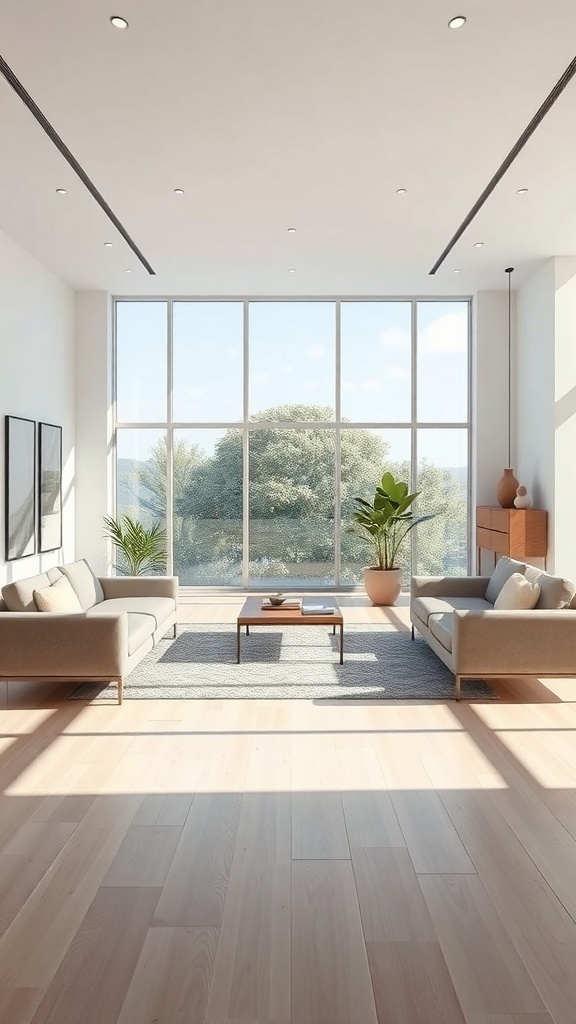
Open sightlines are key to a room that feels spacious and inviting. In the image, you can see how the large windows allow natural light to flood the space, creating a bright and airy atmosphere. The furniture is arranged to keep pathways clear, making movement easy and comfortable.
When you maintain open sightlines, you enhance the overall flow of the room. This means avoiding tall furniture pieces that block views. Instead, opt for low-profile sofas and chairs that keep the sightlines open. This approach not only improves movement but also makes the space feel larger.
In this setup, the arrangement encourages conversation and connection. The coffee table is centrally located, inviting people to gather around. The plants add a touch of nature without obstructing views, contributing to a relaxed vibe.
Remember, a well-planned layout can transform a room from cramped to cozy. By focusing on sightlines, you create a space that feels intentional and welcoming.
Dining Room Flow Considerations
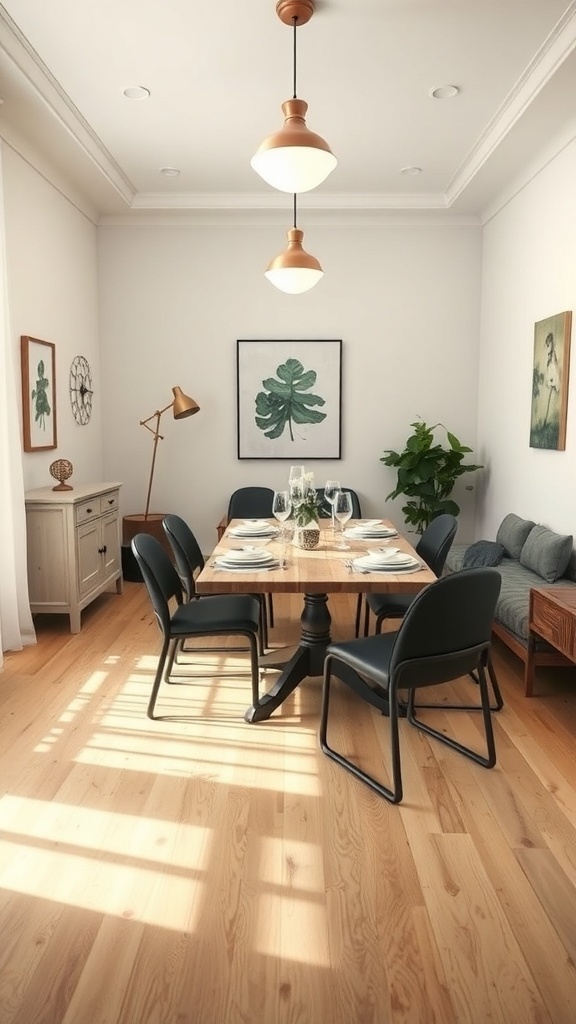
In this cozy dining room, the arrangement showcases how flow can enhance the dining experience. The table is centered, creating a welcoming focal point. With enough space around the table, guests can easily pull out chairs and move about without feeling cramped.
The light fixtures above add warmth, while the artwork on the walls brings personality to the space. Notice how the plants and side furniture complement the main dining area without blocking pathways. This setup encourages conversation and connection, making every meal feel special.
To keep the flow smooth, aim for at least 36 inches around the table. This allows for comfortable movement and access to sideboards or cabinets. The balance of light and dark elements adds depth, ensuring the room feels inviting.
Optimizing Corners for Added Functionality
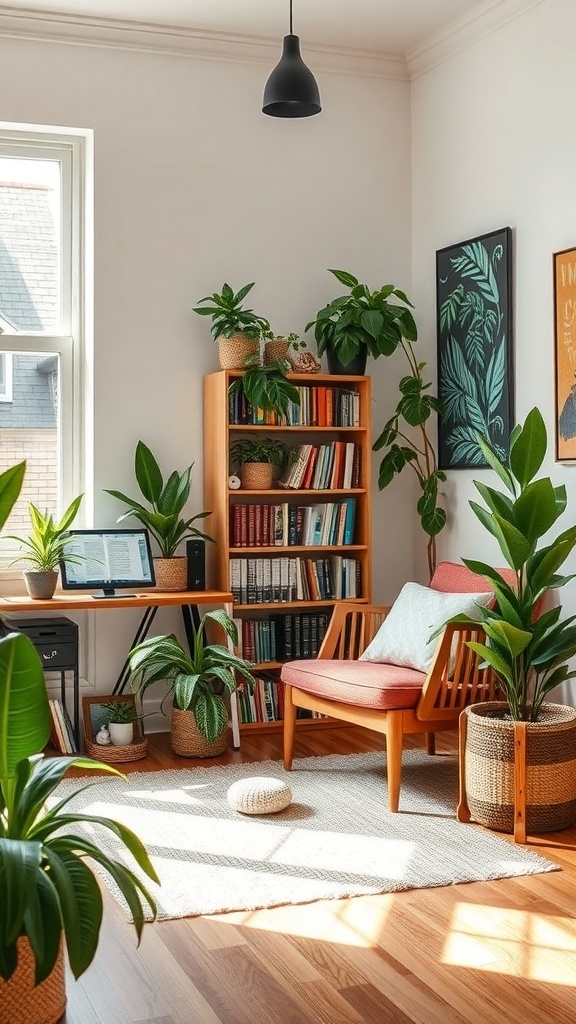
Corners often get overlooked in room design, but they can be a goldmine for functionality. The image shows a cozy corner filled with plants, a reading chair, and a small desk. This setup not only uses the space wisely but also adds warmth and character to the room.
To make the most of your corners, think about what activities you enjoy. A reading nook with a comfy chair and good lighting can turn an empty corner into a favorite spot. You can also add shelves or plants for a touch of life.
In the image, the plants create a refreshing vibe, while the desk offers a practical workspace. This balance keeps the corner from feeling cramped and enhances the overall flow of the room. Remember, keeping corners functional helps the entire space feel more inviting and organized.
Ensuring Each Piece Serves a Purpose
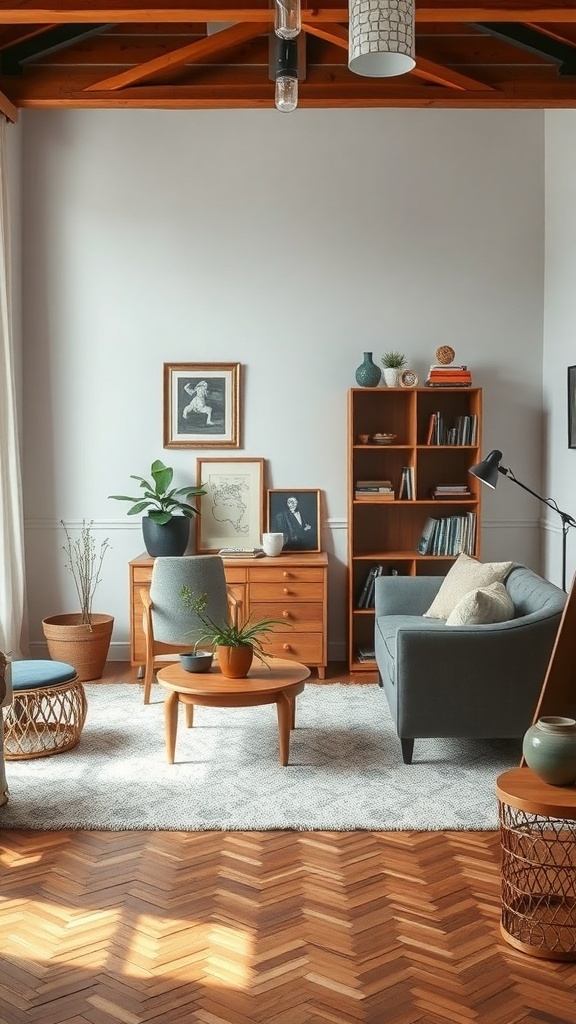
In any room, every piece of furniture should have a reason for being there. This image showcases a cozy living space where each item plays a role. The sofa invites relaxation, while the coffee table serves as a central gathering point.
Notice how the plants and decorative items add life and personality without cluttering the space. Each element, from the bookshelves to the accent chairs, contributes to the overall feel of the room. This intentional arrangement creates a welcoming atmosphere.
When arranging your own space, think about what each piece brings to the table. If something feels out of place or unnecessary, it might be time to rethink its role. A well-curated room not only looks good but also feels good to live in.
Using Rugs to Define Functional Zones

Rugs are more than just decorative pieces; they play a key role in defining functional zones within a room. In the image, the vibrant rug anchors the seating area, creating a cozy space for conversation and relaxation. This visual boundary helps to separate the living area from the rest of the room, making it feel more organized.
When choosing a rug, size matters. It should be large enough to sit under major furniture pieces, like sofas and coffee tables. This not only grounds the furniture but also enhances the overall flow of the space. In the image, the rug’s design complements the light wood flooring, adding warmth and texture without overwhelming the room.
Another benefit of using rugs is their ability to absorb sound, making a space feel quieter and more inviting. The layered textures in the image contribute to a sense of comfort, encouraging people to gather and enjoy the space. So, when arranging your furniture, consider how a well-placed rug can enhance both function and style.
Living Room Flow Design Tips

Creating a comfortable living room starts with understanding flow. In the image, we see a spacious area with natural light pouring in, highlighting the importance of layout. The furniture placement encourages movement and conversation, making the space feel inviting.
First, center your furniture around a focal point. In this room, the artwork on the wall draws attention, guiding the arrangement of sofas and chairs. This setup not only enhances aesthetics but also promotes interaction.
Next, keep pathways clear. Notice how the seating is arranged to allow easy access to different areas. Aim for at least three feet of walking space, ensuring guests can move freely without obstacles.
Using scaled furniture is key. The sleek sofas fit well in this room, avoiding a cramped feel. When choosing pieces, consider their size in relation to the space. This balance creates harmony and open flow.
Creating conversation zones is another effective strategy. The arrangement of chairs and sofas within close proximity encourages dialogue. A rug can help define these areas, making them feel cozy and intentional.
Lastly, keep sightlines open. The low-profile furniture allows for unobstructed views, enhancing the overall flow. This openness contributes to a calm and welcoming atmosphere.
The Transformative Power of Flow in Home Design
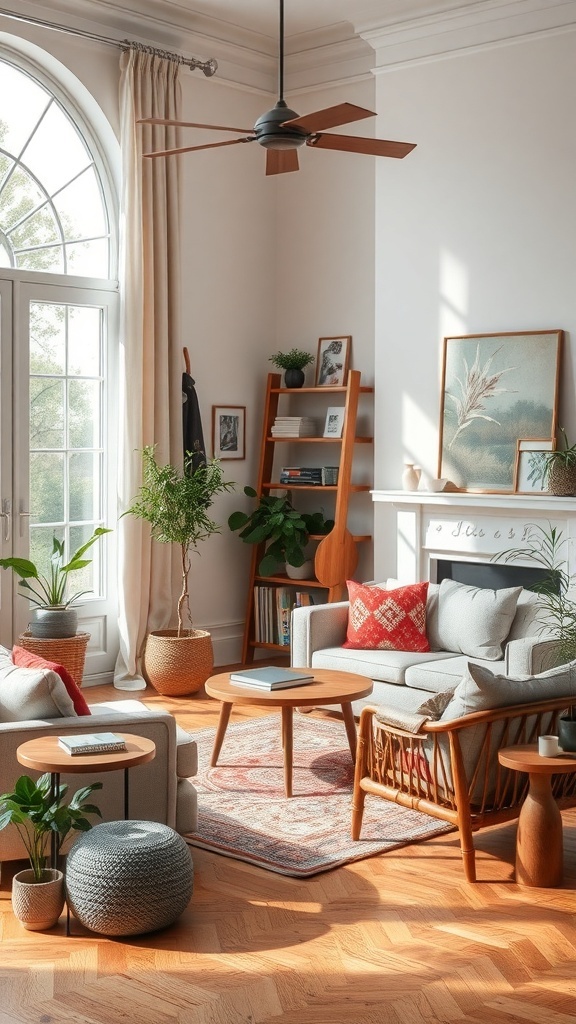
Flow in home design is like the rhythm of a good song. It guides movement and creates a sense of harmony. In the image, you can see how the furniture is arranged to encourage easy movement and comfort. The cozy seating area invites conversation while allowing for natural pathways.
The large window brings in ample light, enhancing the room’s openness. Plants add life and warmth, making the space feel inviting. The careful placement of furniture, like the round coffee table and the soft textures of the rugs, contributes to a balanced atmosphere.
When you think about flow, consider how each piece interacts with others. In this setting, the furniture doesn’t just fill space; it creates zones for relaxation and socializing. This thoughtful arrangement transforms a simple room into a welcoming environment.
Add a Comment