

Your small living room doesn’t have to feel cramped or uninspiring. The secret lies in understanding how different colors can completely transform the perception of space, mood, and style in your home.
Many people make the mistake of thinking small rooms require only light, neutral colors. While these certainly have their place, the reality is much more exciting. The right color choices can make your compact space feel larger, more inviting, and uniquely yours.
Color has the power to influence emotions and create atmospheres that extend far beyond simple aesthetics. When chosen thoughtfully, your living room color can become the foundation for a space that truly reflects your personality while maximizing the potential of every square foot.
Understanding Color’s Impact on Small Spaces
The psychology of color in interior design goes deeper than most people realize. Each hue triggers specific emotional responses and can dramatically alter how we perceive the size and comfort of a room.
Warm colors tend to make spaces feel more intimate and cozy, while cool colors can create the illusion of greater space and airiness. However, this doesn’t mean you should automatically choose cool colors for small rooms.
The key is understanding how different colors interact with light, both natural and artificial. Some colors absorb light and create depth, while others reflect it to brighten and expand the visual boundaries of your space.
Consider your room’s natural lighting throughout the day. North-facing rooms receive cooler light, while south-facing rooms get warmer illumination. This affects how colors appear and feel in your specific space.
1: Sophisticated Gray for Timeless Elegance
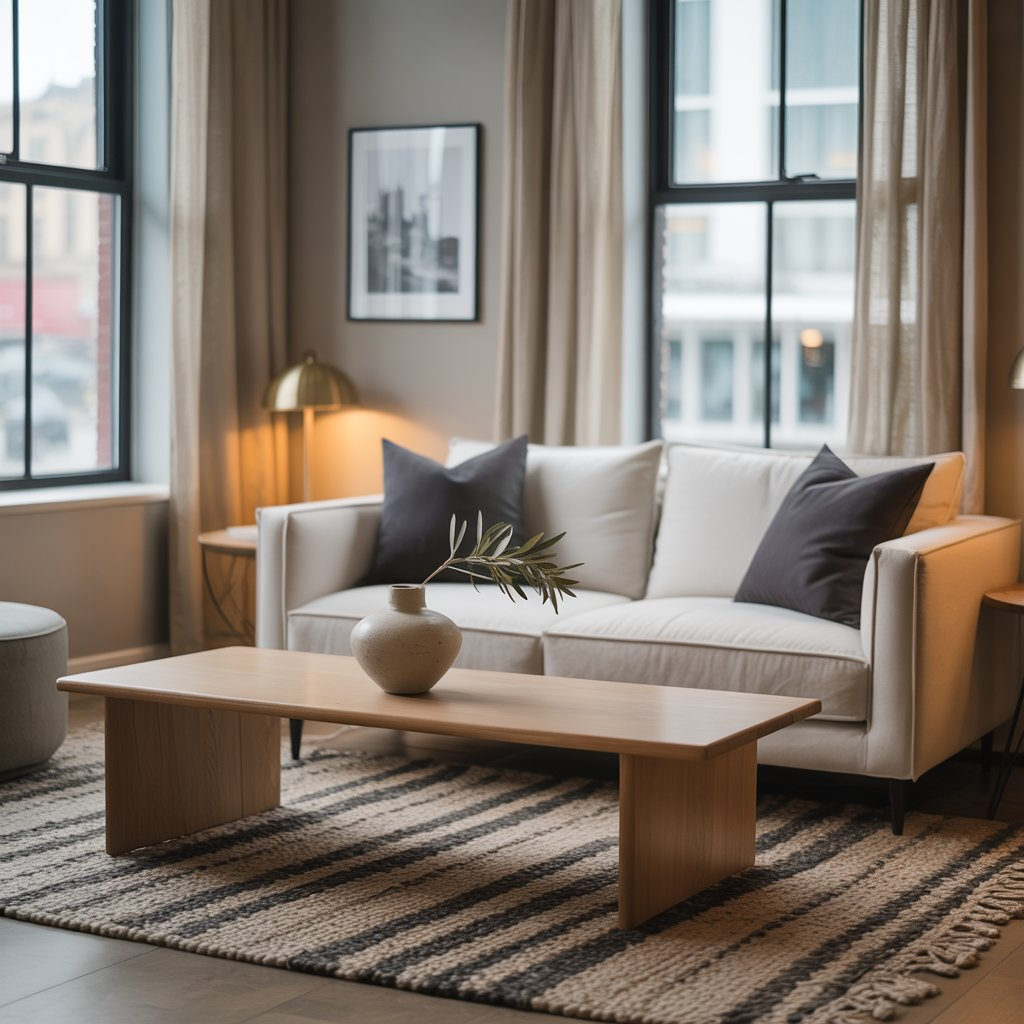
Gray has evolved from a basic neutral to a sophisticated choice that works beautifully in small living rooms. This versatile color creates a calming atmosphere while providing the perfect backdrop for your furniture and accessories.
The beauty of gray lies in its ability to make other colors pop without overwhelming the space. Whether you choose a soft dove gray or a deeper charcoal tone, this color creates visual continuity that makes rooms feel more spacious.
Light gray walls reflect natural light effectively, helping to brighten your space throughout the day. This reflection creates the illusion of expanded boundaries, making your small living room feel more open and airy.
Gray also offers incredible flexibility for seasonal decorating. You can easily change your room’s personality by switching out throw pillows, artwork, and accessories while maintaining the sophisticated foundation that gray provides.
The key to success with gray is avoiding colors that are too flat or cold. Look for grays with subtle undertones that complement your existing furniture and the natural light in your space.
2: Navy Blue for Bold Sophistication
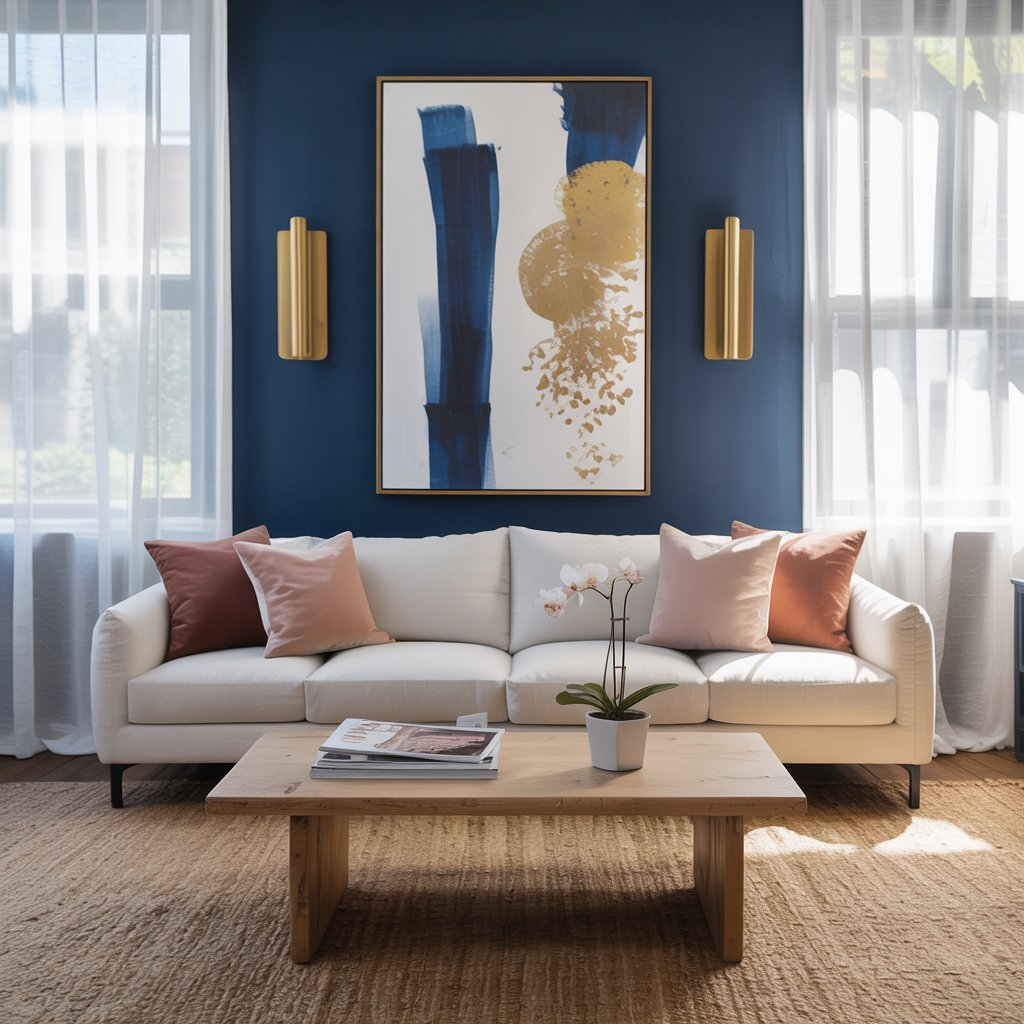
Navy blue might seem like a risky choice for small spaces, but when used correctly, it creates one of the most elegant and surprisingly spacious effects possible in compact living rooms.
This deep, rich color adds dramatic sophistication while maintaining a sense of calm and stability. Navy blue walls create a cozy, intimate atmosphere that feels intentional rather than cramped.
The secret to making navy work in small spaces is balancing it with lighter elements. Light-colored furniture, white or cream accents, and plenty of lighting prevent the room from feeling too enclosed or dark.
Navy blue also has the unique ability to make your ceiling appear higher, especially when paired with white or light-colored ceiling paint. This vertical emphasis helps counteract the horizontal limitations of small rooms.
Consider using navy as an accent wall rather than painting the entire room. This approach gives you the dramatic impact of the color while maintaining the sense of openness that small spaces require.
3: Sage Green for Natural Tranquility
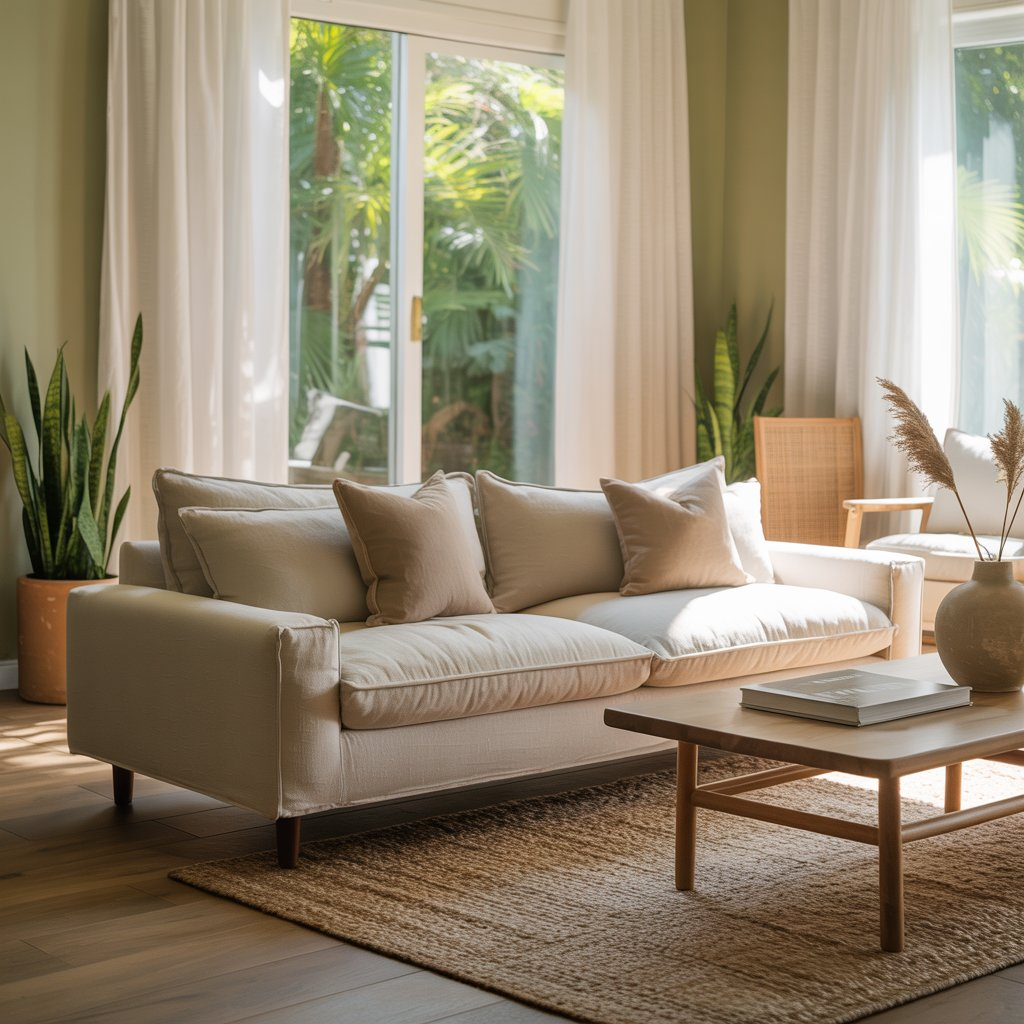
Sage green brings the calming influence of nature indoors, creating a serene atmosphere that makes small living rooms feel like peaceful retreats from the outside world.
This muted, sophisticated green works particularly well in rooms with good natural light. It creates a fresh, airy feeling while maintaining the warmth and comfort that living rooms require for relaxation and entertaining.
Sage green’s natural associations help blur the boundaries between indoor and outdoor spaces. This psychological effect can make your small living room feel more expansive and connected to the broader world.
The color pairs beautifully with natural materials like wood, rattan, and stone. These combinations create layered, textured spaces that feel rich and interesting despite their compact size.
When using sage green, consider incorporating plants and natural elements to enhance the organic feeling. This creates a cohesive design story that makes your small space feel intentional and thoughtfully designed.
4: Warm Terracotta for Cozy Comfort
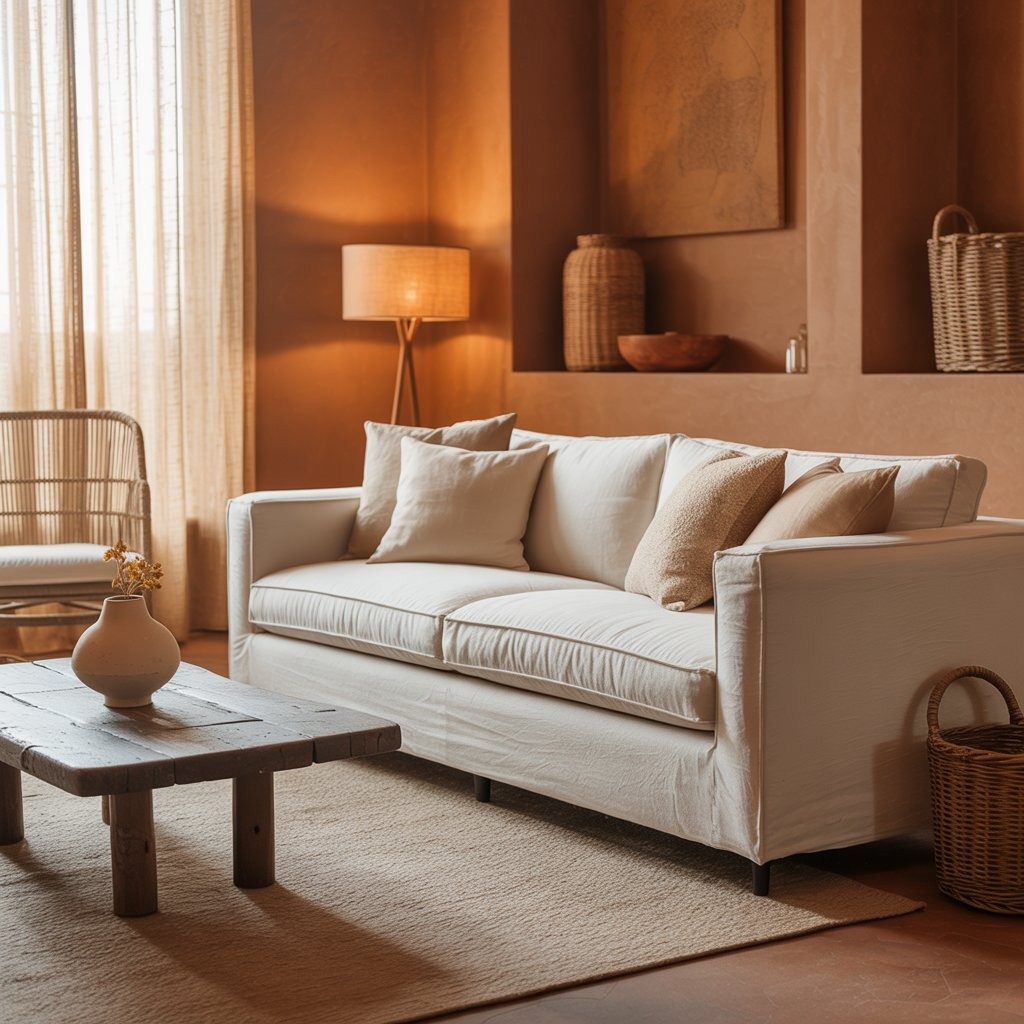
Terracotta brings warmth and earthiness to small living rooms, creating spaces that feel immediately welcoming and comfortable. This rich, warm color adds depth and character without overwhelming compact spaces.
The natural clay tones of terracotta create a grounding effect that makes rooms feel stable and secure. This psychological comfort is particularly valuable in small spaces where you want to maximize the feeling of home.
Terracotta works exceptionally well with natural textures and materials. Wood furniture, woven baskets, and natural fiber rugs all complement this earthy color beautifully, creating layered, interesting spaces.
The warmth of terracotta helps small rooms feel intimate rather than cramped. This color creates the perfect atmosphere for relaxation and conversation, making your living room a true gathering place.
Balance terracotta with lighter accents and plenty of texture to prevent the space from feeling too heavy. Cream, white, and soft beige accessories help maintain the right balance of warmth and openness.
5: Elegant Teal for Rich Sophistication
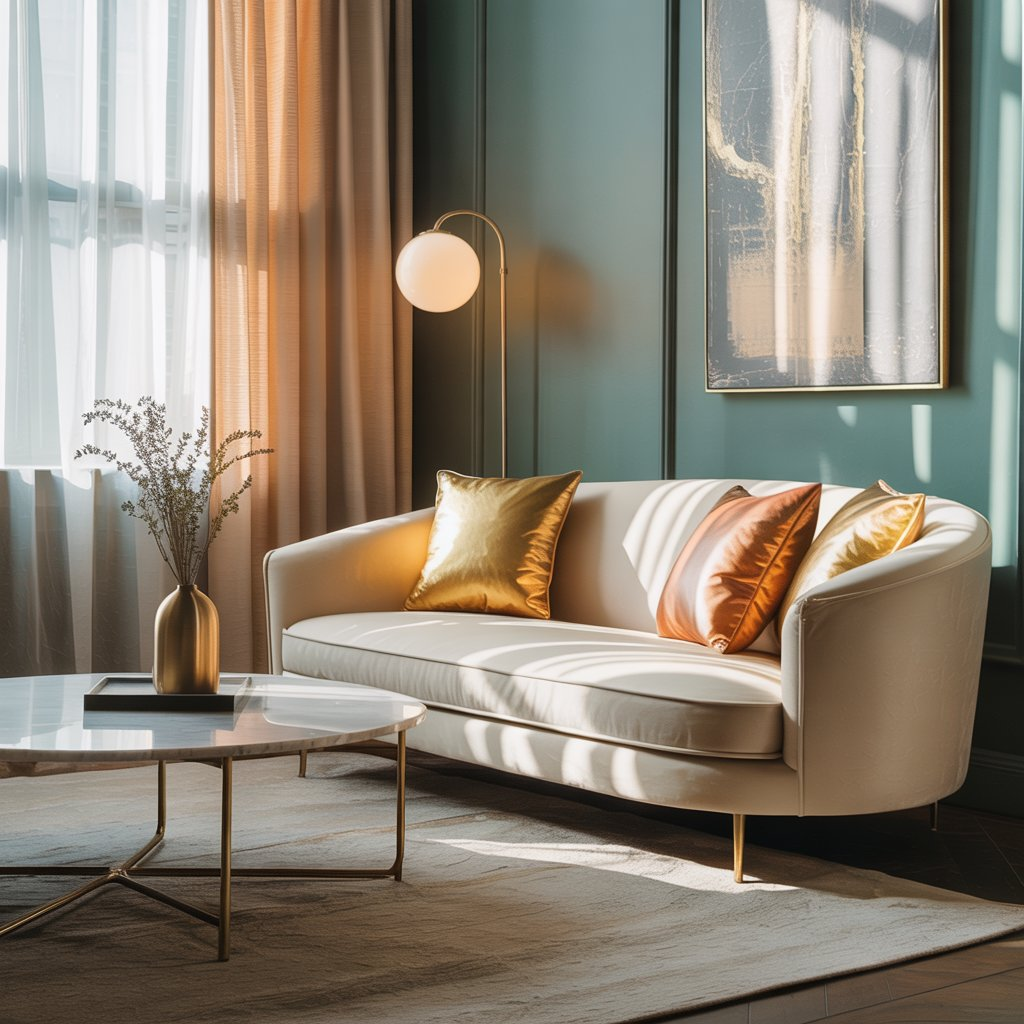
Teal offers the perfect balance between blue’s calming properties and green’s natural freshness, creating a sophisticated color choice that works beautifully in small living rooms.
This rich, complex color adds a sense of luxury and depth to compact spaces without making them feel dark or confined. Teal creates visual interest while maintaining the tranquil atmosphere that living rooms require.
The color’s natural depth helps create focal points and architectural interest in rooms that might otherwise feel flat or one-dimensional. This visual complexity makes small spaces feel more dynamic and engaging.
Teal pairs wonderfully with metallic accents like gold, brass, or copper. These combinations create elegant, sophisticated spaces that feel much more expensive and designed than their simple color palette might suggest.
When using teal, consider the room’s lighting carefully. This color can appear quite different under various lighting conditions, so test samples throughout the day to ensure you love how it looks in your specific space.
Making Your Color Decision
The best color for your small living room depends on several factors beyond just personal preference. Consider how you use the space, the amount of natural light it receives, and the overall style you want to achieve.
Think about the mood you want to create. Do you want a space that feels calm and serene, or one that feels energetic and inspiring? Your color choice should support the atmosphere you’re trying to create.
Don’t forget to consider your existing furniture and accessories. The best color choice will complement what you already have while giving you room to grow and change your decor over time.
Remember that you can always start with paint samples and live with them for a few days before making your final decision. Colors can look quite different throughout the day as natural light changes, so take your time to ensure you’re happy with your choice.
The most important thing is choosing a color that makes you feel good in your space. When you love your living room color, you’ll naturally want to spend more time there, making your small space feel like a true home rather than just a room.
Add a Comment