
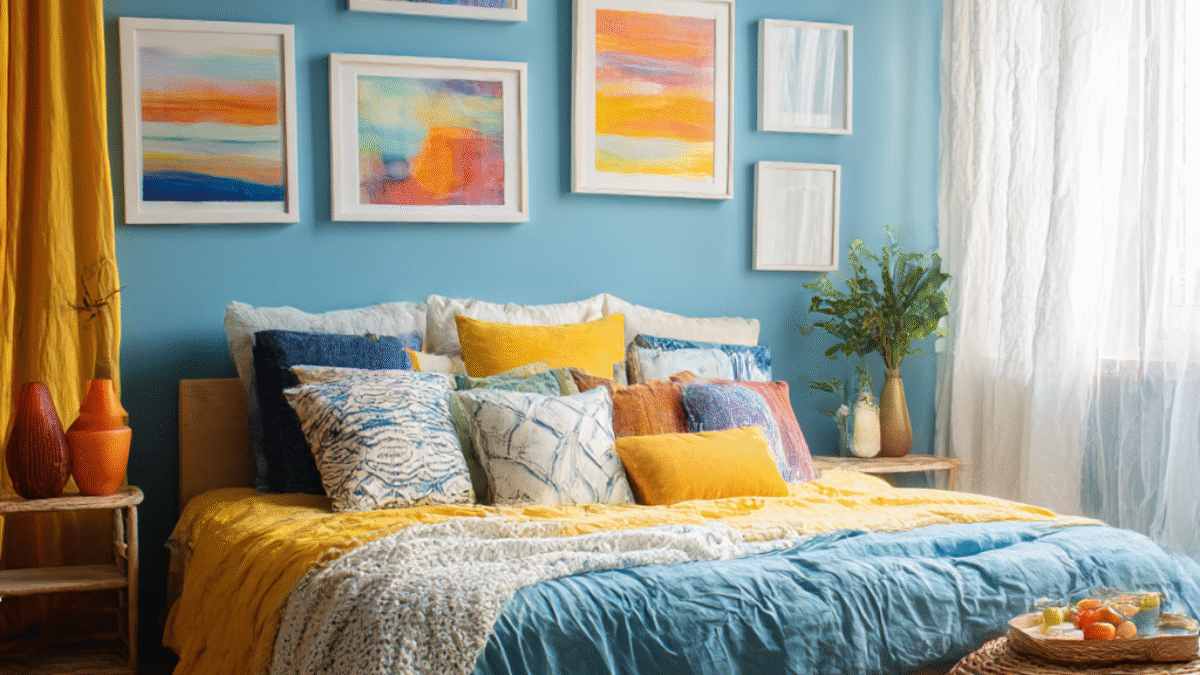

Adding color to your room does not require a full makeover or expensive furniture. Often, the most impactful changes come from small, creative updates that reflect your personality and bring energy into the space. DIY room decor is a powerful way to introduce color while keeping your home personal, meaningful, and budget-friendly.
Whether your room feels dull, overly neutral, or simply in need of a refresh, these creative DIY ideas will help you add color in a way that feels intentional rather than overwhelming.
Start With Color That Feels Right to You
Before picking up supplies, pause and think about how you want your space to feel. Color has a strong emotional impact. Soft tones feel calming and cozy, while brighter hues bring energy and playfulness.
Choose a small palette that speaks to you rather than following trends blindly. When colors feel personal, the room instantly feels more like home. A thoughtful color direction also helps DIY projects feel cohesive instead of scattered.
Create Statement Wall Art
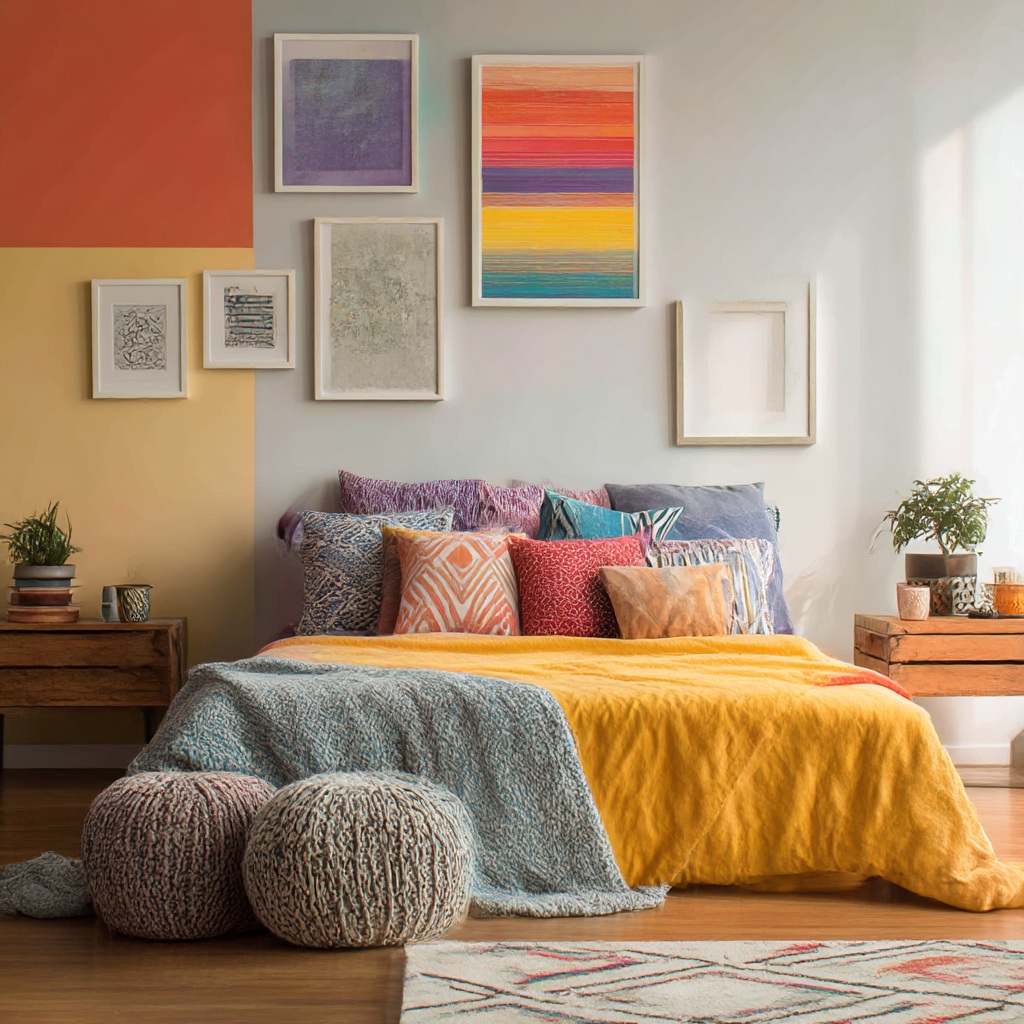
Wall art is one of the easiest and most flexible ways to add color. DIY wall art allows you to control the scale, palette, and mood without committing to permanent changes.
Abstract canvas art using layered brush strokes or textured paint creates depth and visual interest. Framed fabric, wallpaper samples, or hand-painted paper can also become striking wall pieces. Even simple shapes or color blocks can make a strong statement when thoughtfully composed.
The beauty of DIY art is that it does not need to be perfect. Slight imperfections add character and make the piece feel authentic.
Refresh Furniture With Paint or Stain
Old furniture is full of potential. A small side table, chair, or shelf can become a colorful focal point with a simple update.
Painting furniture in a muted color adds personality without overpowering the room. Soft greens, warm blues, gentle terracotta tones, or even a bold accent color can transform a piece completely. For a more subtle look, consider painting only the legs, drawers, or interior surfaces.
This approach adds color while still keeping the overall space balanced and intentional.
Add Color Through Textiles You Make Yourself
Textiles are an excellent way to layer color while keeping the room soft and inviting. DIY pillows, throws, or fabric wall hangings introduce color without permanent commitment.
Simple sewing projects using colorful fabric can elevate a bed or sofa instantly. No-sew options like fabric-wrapped cushions or tied wall hangings work just as well. Even dyeing existing textiles can give them new life and personality.
Textiles allow color to move throughout the room, creating cohesion and warmth.
Style Shelves With Handmade Accents
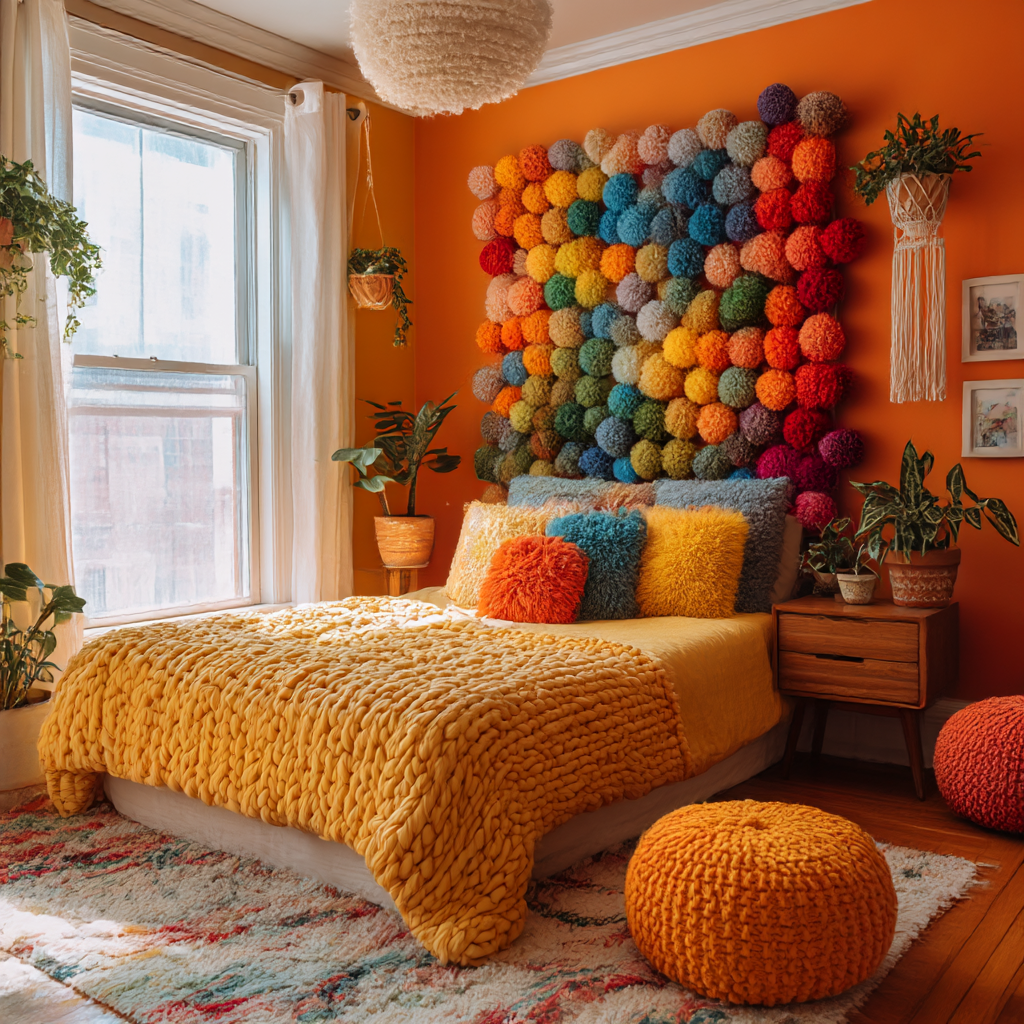
Shelves are the perfect place to experiment with color in small doses. Handmade decor pieces add charm and break up neutral backdrops.
Painted vases, clay objects, decorative boxes, or glass jars filled with colorful elements create visual interest without clutter. When styling shelves, mix handmade items with books and neutral pieces to keep the look balanced.
Color feels more intentional when it is repeated gently across different shelves or surfaces.
Use Paper and Craft Materials Creatively
Paper is one of the most underrated DIY decor tools. It is affordable, versatile, and full of creative possibilities.
Create garlands, wall collages, folded sculptures, or framed paper art using colorful cardstock or handmade paper. Paper decor works especially well in bedrooms, creative spaces, or temporary living situations where flexibility matters.
Because paper projects are lightweight and removable, they allow you to experiment freely with color.
Bring Color to the Floor and Soft Corners
Color does not need to live only on walls. Floors and corners often offer overlooked opportunities.
DIY painted rugs, fabric floor cushions, or colorful poufs bring warmth and comfort while grounding the space. Even a simple fabric runner layered over an existing rug can shift the mood of the room.
These softer elements make color feel integrated into daily life rather than purely decorative.
Add Life With Plants and Painted Planters
Plants naturally add color and energy to a space. When paired with DIY planters, they become even more impactful.
Painted pots, wrapped planters, or handmade stands allow you to introduce color in a subtle, organic way. Greenery balances brighter hues and prevents the space from feeling visually heavy.
This combination of natural and handmade elements keeps the room feeling fresh and alive.
Focus on Balance Rather Than Saturation
When adding color through DIY decor, balance is more important than quantity. A few well-placed colorful elements often create more impact than filling every surface.
Allow neutral areas to remain so the eye has space to rest. Color stands out more when it has room to breathe. Editing is just as important as creating.
Step back occasionally and adjust. Sometimes removing one item makes the entire room feel more intentional.
Let the Space Evolve Over Time
DIY decor is not meant to be static. As your taste changes, your projects can change with it. That flexibility is one of the greatest strengths of creating decor yourself.
Add color slowly. Swap pieces in and out. Let the room evolve naturally as you experiment and collect new ideas. A space that grows over time feels layered, lived-in, and truly personal.
Final Thoughts
Adding color to your room does not require dramatic changes or expensive upgrades. With creative DIY decor, color becomes a tool for self-expression rather than decoration alone.
By focusing on pieces you enjoy making and living with, you can transform your space into one that feels vibrant, personal, and full of life. The most beautiful rooms are not rushed. They are built thoughtfully, one creative idea at a time.
Add a Comment