
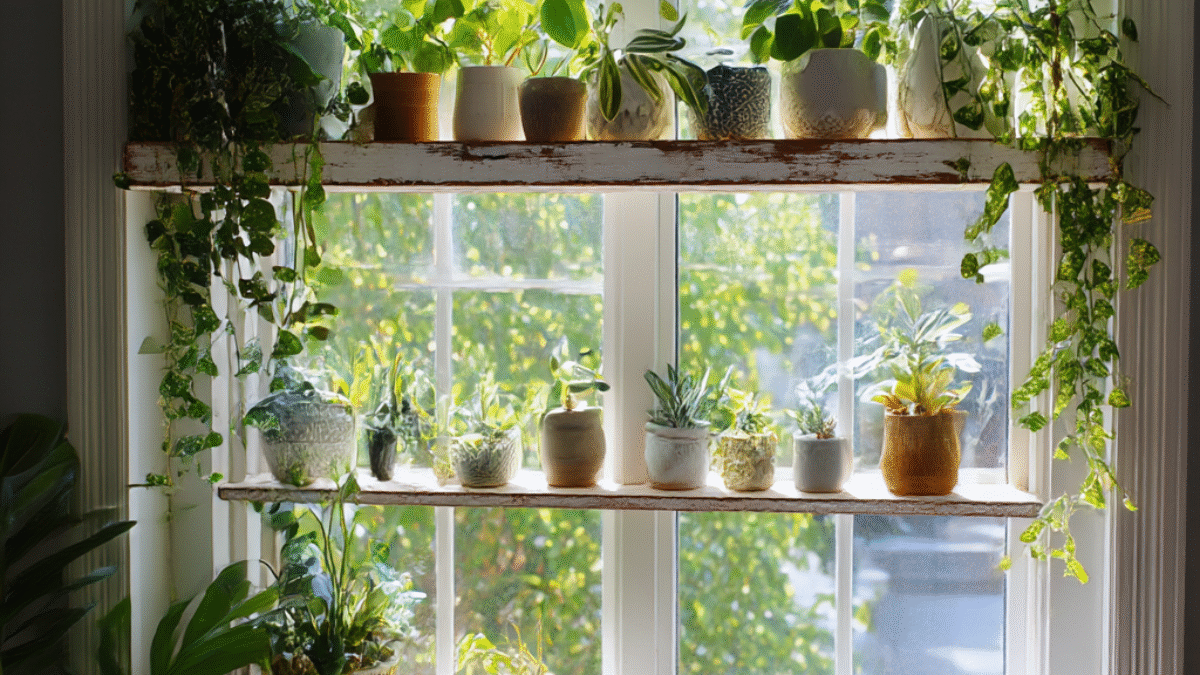
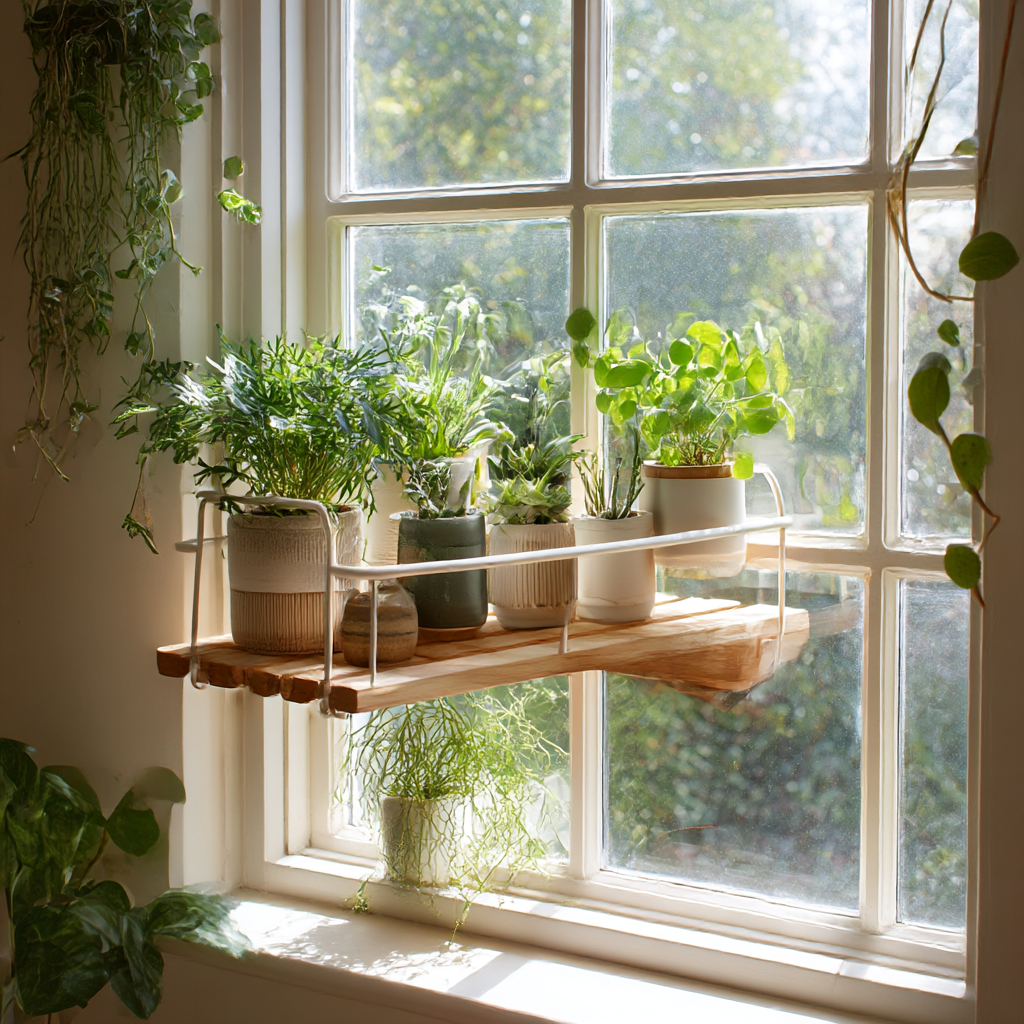
A window shelf for plants is one of those deceptively simple additions that can transform how a home feels. It maximizes natural light, brings greenery into daily view, and turns an often-overlooked vertical space into a living design feature. Whether you live in a compact apartment or a spacious house, a thoughtfully styled window shelf creates a strong connection between indoors and out while adding character and warmth to the room.
Why Window Shelves Work So Well for Plants
Plants thrive in light, and windows naturally provide it. A window shelf allows plants to sit exactly where they want to be, soaking up daylight without crowding floors or furniture. Beyond practicality, there is an undeniable visual appeal to plants layered against glass. The silhouettes of leaves, trailing vines, and sculptural stems create movement and softness that changes throughout the day as the light shifts.
Window shelves also make greenery feel intentional rather than incidental. Instead of scattering plants around a room, a shelf creates a curated moment that feels designed and cohesive.
Choosing the Right Shelf Material
The material of your window shelf plays a significant role in both aesthetics and longevity. Wood shelves bring warmth and pair beautifully with natural plant textures, making them a favorite for relaxed, organic interiors. Lighter woods feel airy and casual, while darker stains add contrast and depth.
Metal shelves introduce a more modern or industrial edge and work well in contemporary spaces. Glass shelves keep the look visually light and allow maximum light to pass through, which is ideal for smaller rooms or windows with limited sunlight. Whatever material you choose, ensure it can handle occasional moisture and the combined weight of plants and pots.
Finding the Perfect Height and Placement
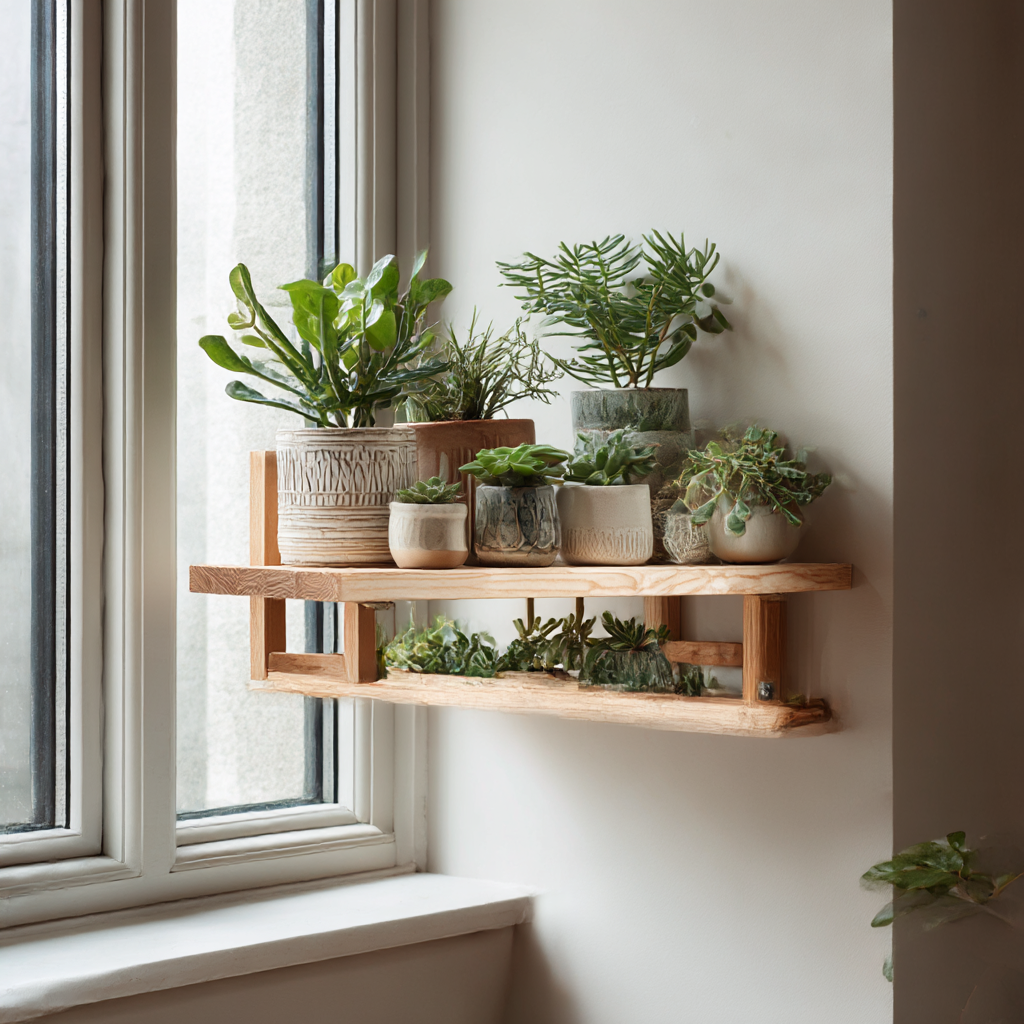
Placement is key to making a window shelf both functional and visually pleasing. Shelves positioned too low may block views or feel intrusive, while shelves set too high can make plant care inconvenient. Ideally, the shelf should sit within easy reach and align naturally with the window’s proportions.
Consider how the shelf interacts with nearby elements such as curtains, blinds, or radiators. A well-placed shelf should feel integrated, as though it has always been part of the window rather than an afterthought.
Best Plants for Window Shelves
Not all plants are equally suited to window shelf living. Compact plants with upright growth, such as snake plants or small rubber plants, provide structure without overwhelming the space. Trailing varieties like pothos or philodendron soften the shelf edge and create a cascading effect that feels lush and inviting.
Herbs are another excellent option, particularly in kitchen windows. They benefit from the light and add a practical, sensory layer to the space. Mixing plant heights and forms keeps the arrangement dynamic while maintaining balance.
Styling for a Balanced Look
A window shelf should feel curated, not crowded. Allow breathing room between plants so each one can be appreciated. Varying pot sizes and finishes adds depth, but sticking to a cohesive color palette helps maintain a calm, unified look.
Negative space is just as important as the plants themselves. Leaving small gaps allows light to filter through and prevents the shelf from feeling heavy. This restraint is what elevates a simple plant shelf into a design feature.
Window Shelves in Different Rooms
In living rooms, window shelves become a focal point that draws the eye outward while grounding the space with greenery. Bedrooms benefit from the calming presence of plants placed where morning light can gently filter through leaves. In kitchens, window shelves provide an ideal home for herbs and small potted plants, blending beauty with everyday function.
Bathrooms with windows can also accommodate plant shelves, particularly with humidity-loving varieties. Here, a window shelf adds a spa-like quality that enhances the sense of retreat.
Practical Considerations for Everyday Use
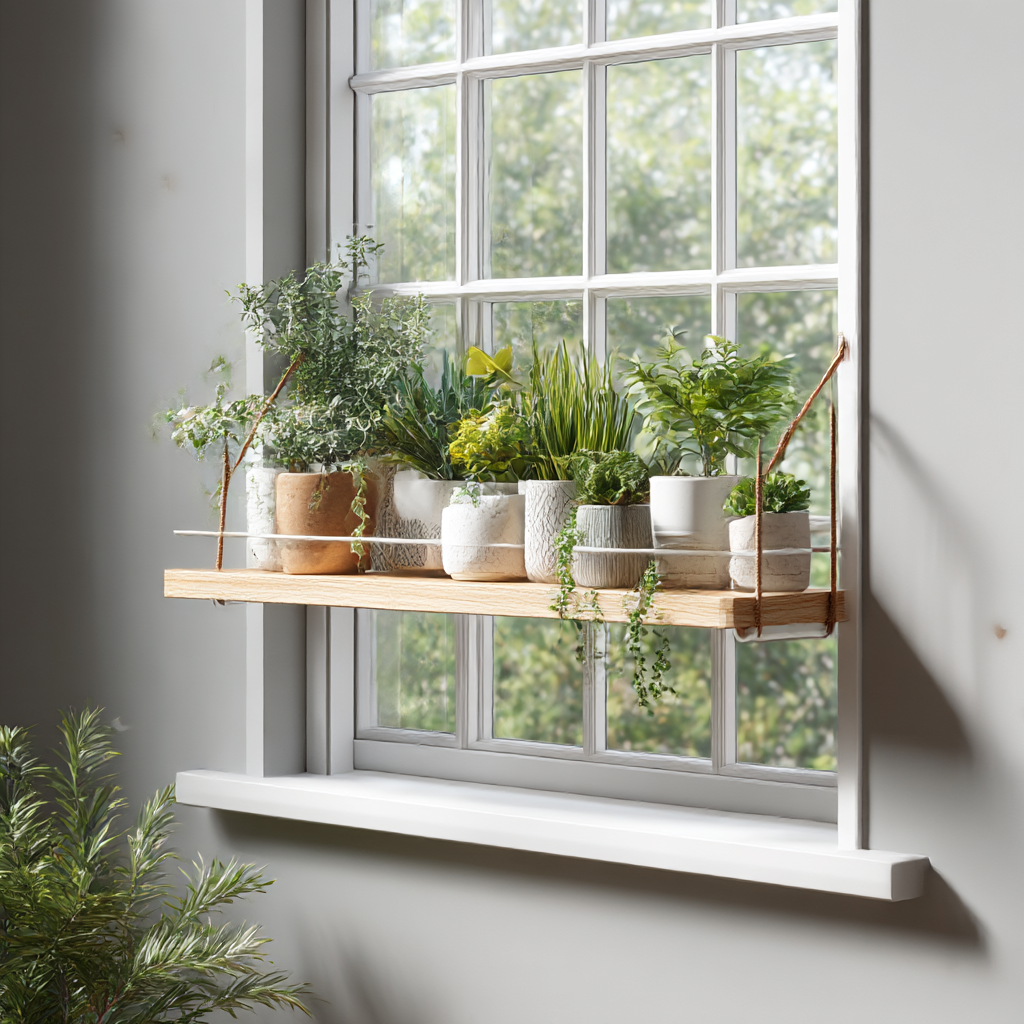
While aesthetics matter, practicality should never be overlooked. Ensure shelves are securely mounted and level, especially when holding heavier pots. Using saucers or liners protects the shelf surface from water damage. Easy access makes regular watering and maintenance less of a chore, encouraging plants to stay healthy and thriving.
Lighting conditions should be monitored as seasons change. A shelf that receives gentle summer light may become more intense in winter or vice versa, so adjusting plant placement occasionally keeps everything balanced.
Final Thoughts
A window shelf for plants is a simple upgrade with lasting impact. It enhances natural light, introduces life and texture, and turns a functional element of the home into a design moment. When chosen and styled thoughtfully, it becomes more than a shelf; it becomes a living feature that evolves with the seasons and adds quiet joy to everyday routines.
Questions & Answers
Do window shelves block natural light?
When styled with intention and space between plants, window shelves allow light to filter through while adding visual interest rather than blocking brightness.
What type of window is best for a plant shelf?
Any window with consistent natural light can work, but south- or east-facing windows are often ideal for a wide range of plants.
Are window shelves suitable for small homes?
Yes, they are especially effective in small spaces because they use vertical space efficiently without taking up valuable floor area.
Add a Comment