
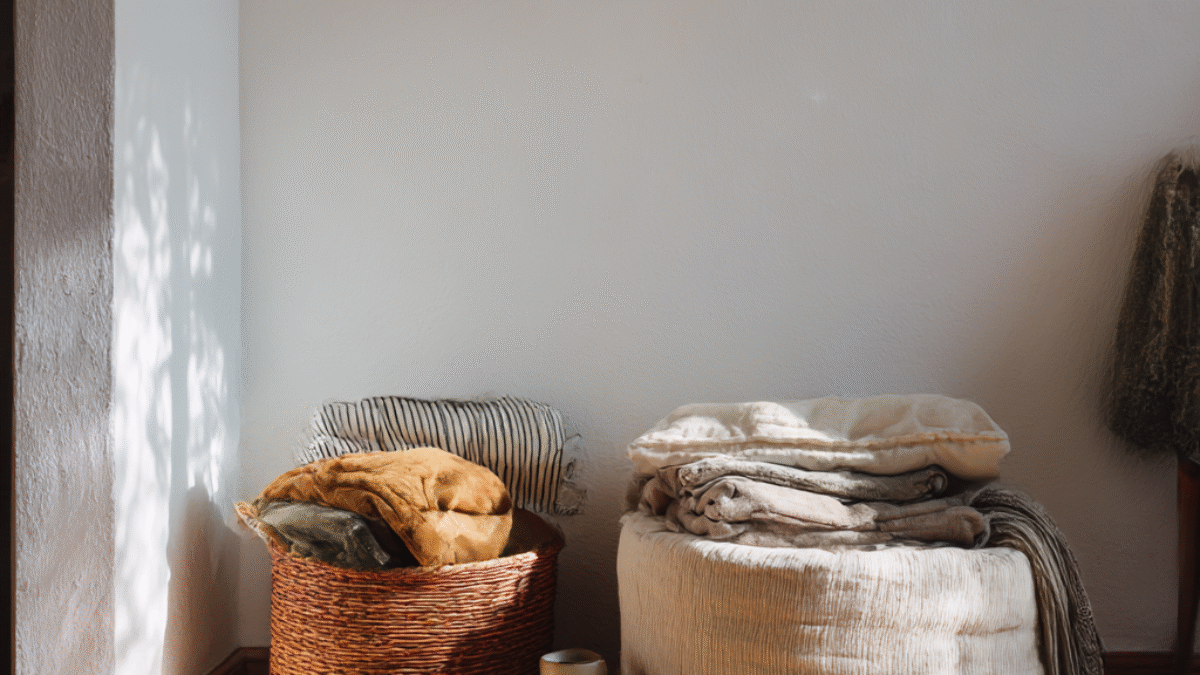
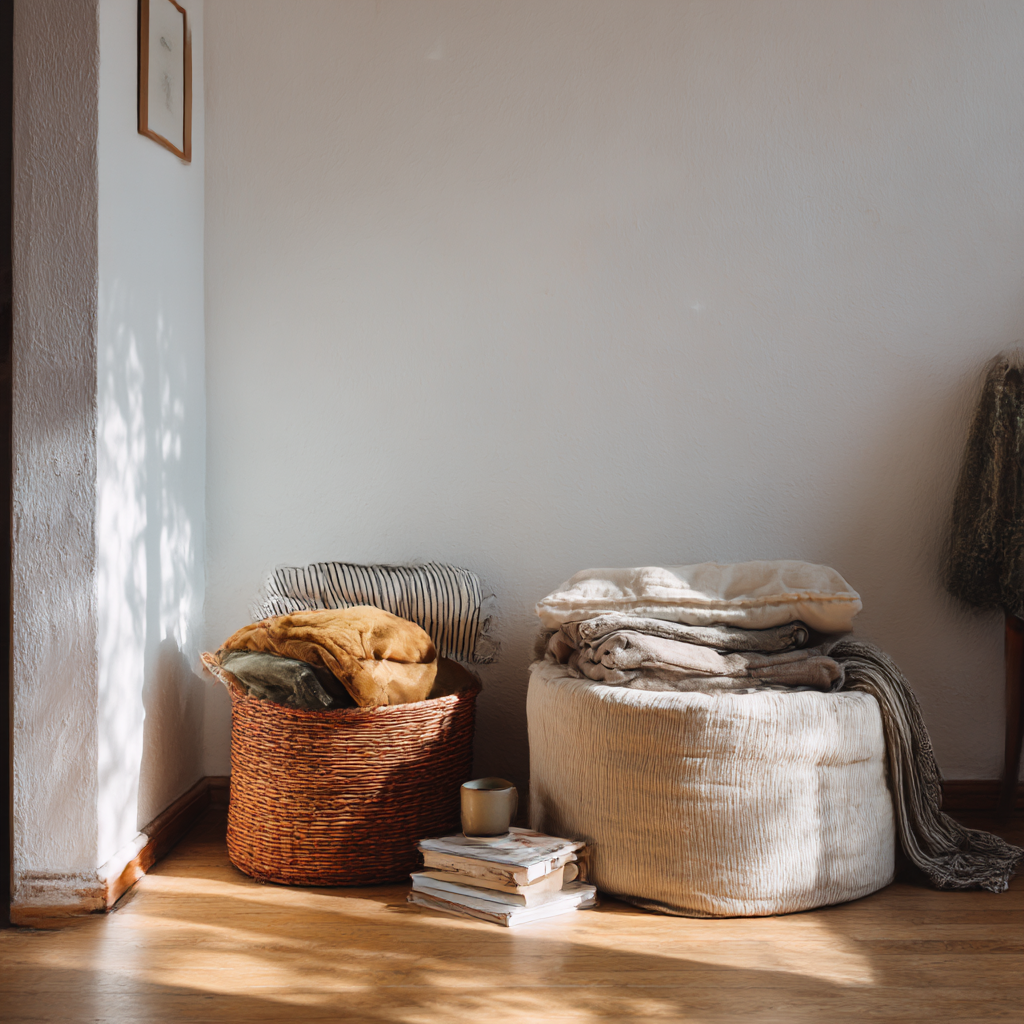
A clutter-free home is rarely the result of one dramatic overhaul. More often, it reflects small, consistent habits that prevent excess from building in the first place. Slow living encourages these steady rhythms. It shifts the focus from reacting to mess toward creating a home that feels manageable, calm, and supportive every day. When clutter is addressed gently and regularly, it stops feeling like a looming project and becomes part of a thoughtful way of living.
Daily Surface Resets
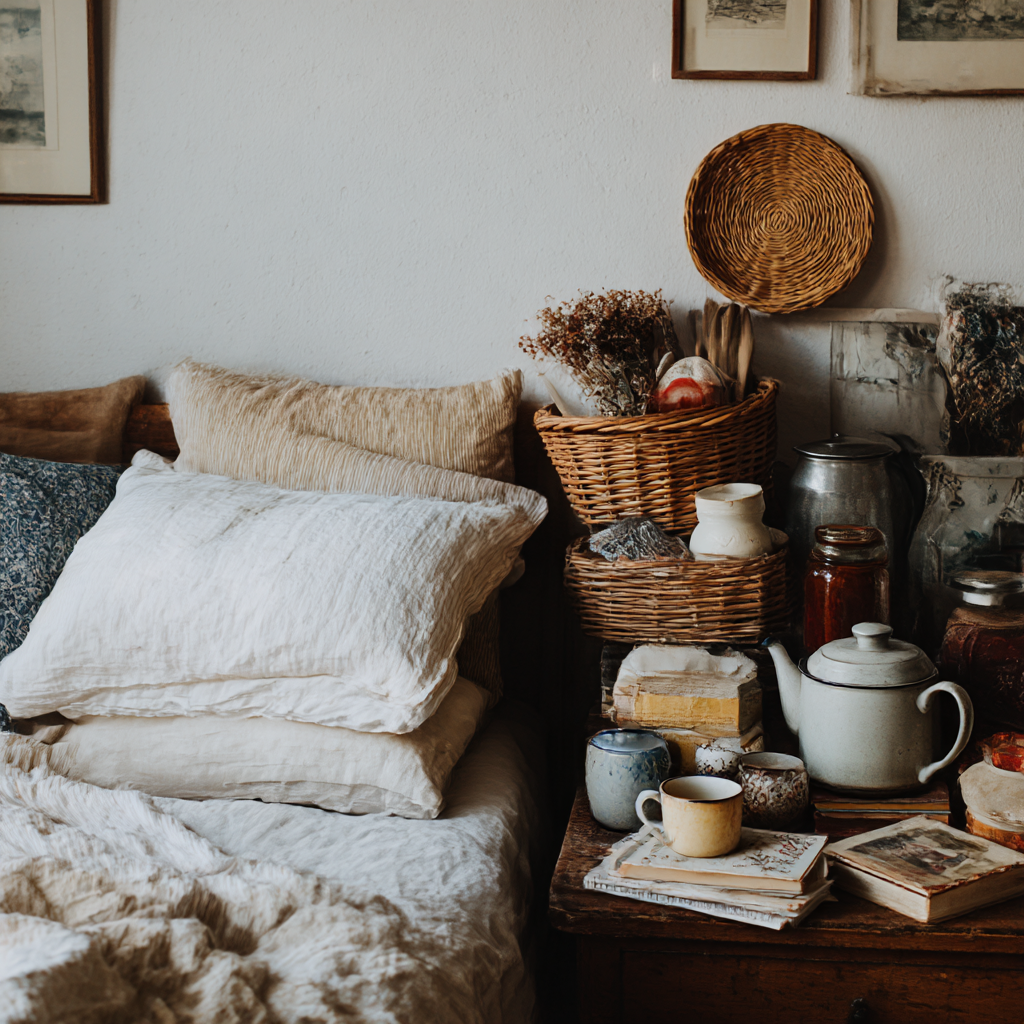
Clear surfaces create instant visual calm. Taking a few minutes each evening to reset kitchen counters, coffee tables, and nightstands prevents small piles from becoming overwhelming. This habit reinforces order without requiring deep cleaning. A home feels lighter when horizontal spaces are intentionally kept open.
A Place for Everything
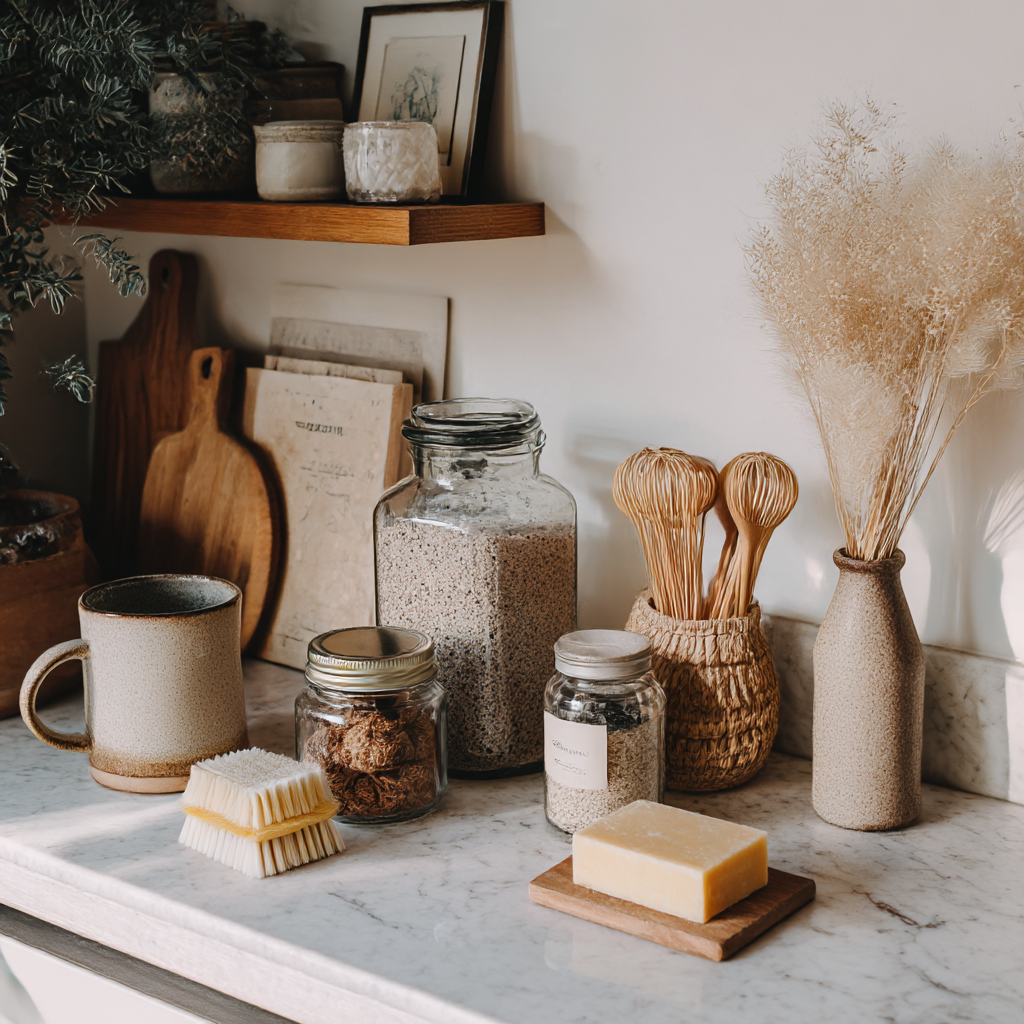
Clutter often forms when items lack a designated home. Slow living encourages intentional storage, where frequently used objects are easy to access and easy to return. When belongings have clear placement, tidying becomes a simple act rather than a mental negotiation.
Mindful Purchasing
One of the most powerful clutter-prevention habits happens before an item even enters the home. Slowing down purchases, questioning usefulness, and considering long-term value dramatically reduces accumulation. This does not mean deprivation. It means choosing thoughtfully so every item feels aligned with your space and lifestyle.
Weekly Home Check-Ins
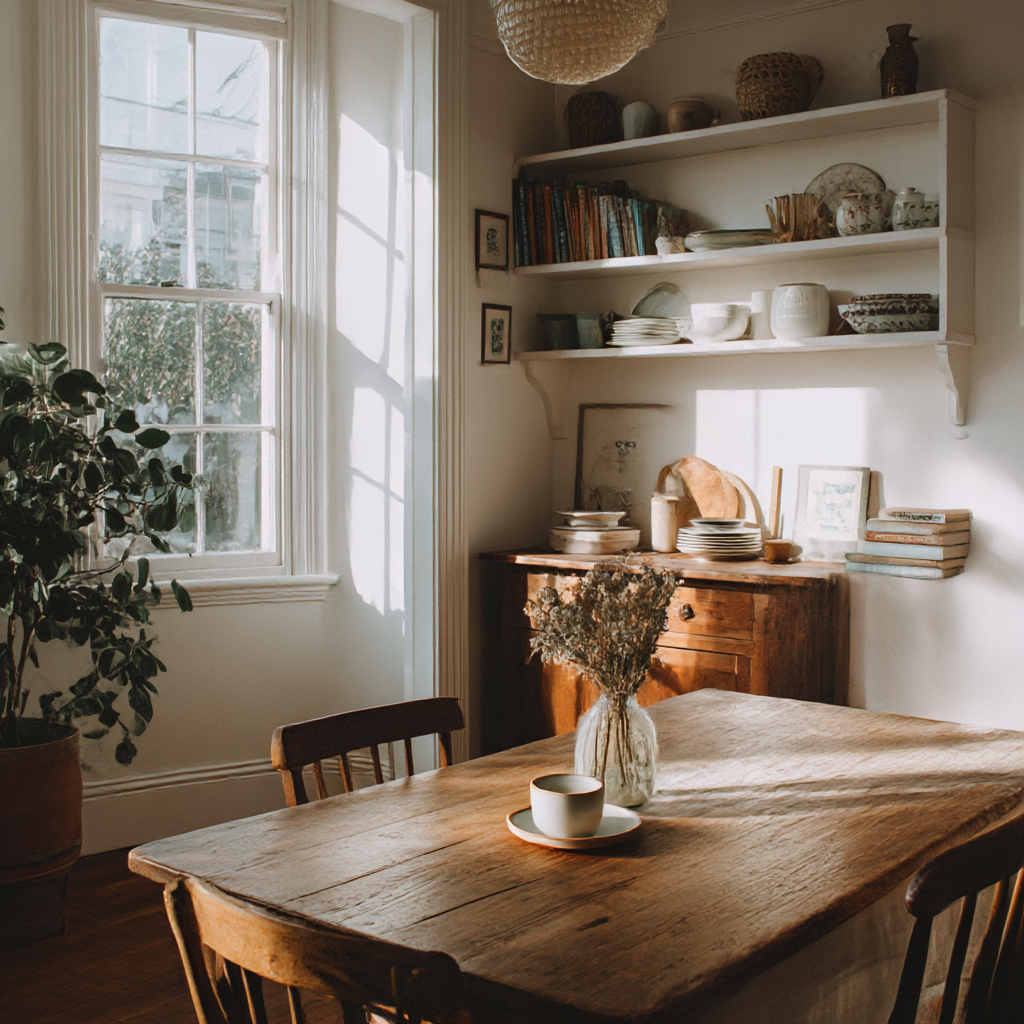
Setting aside time each week to walk through your home with fresh eyes helps prevent buildup. Notice what feels crowded or unused. Adjust gently rather than waiting for frustration to build. These quiet check-ins maintain clarity and keep systems functioning smoothly.
Editing as You Go
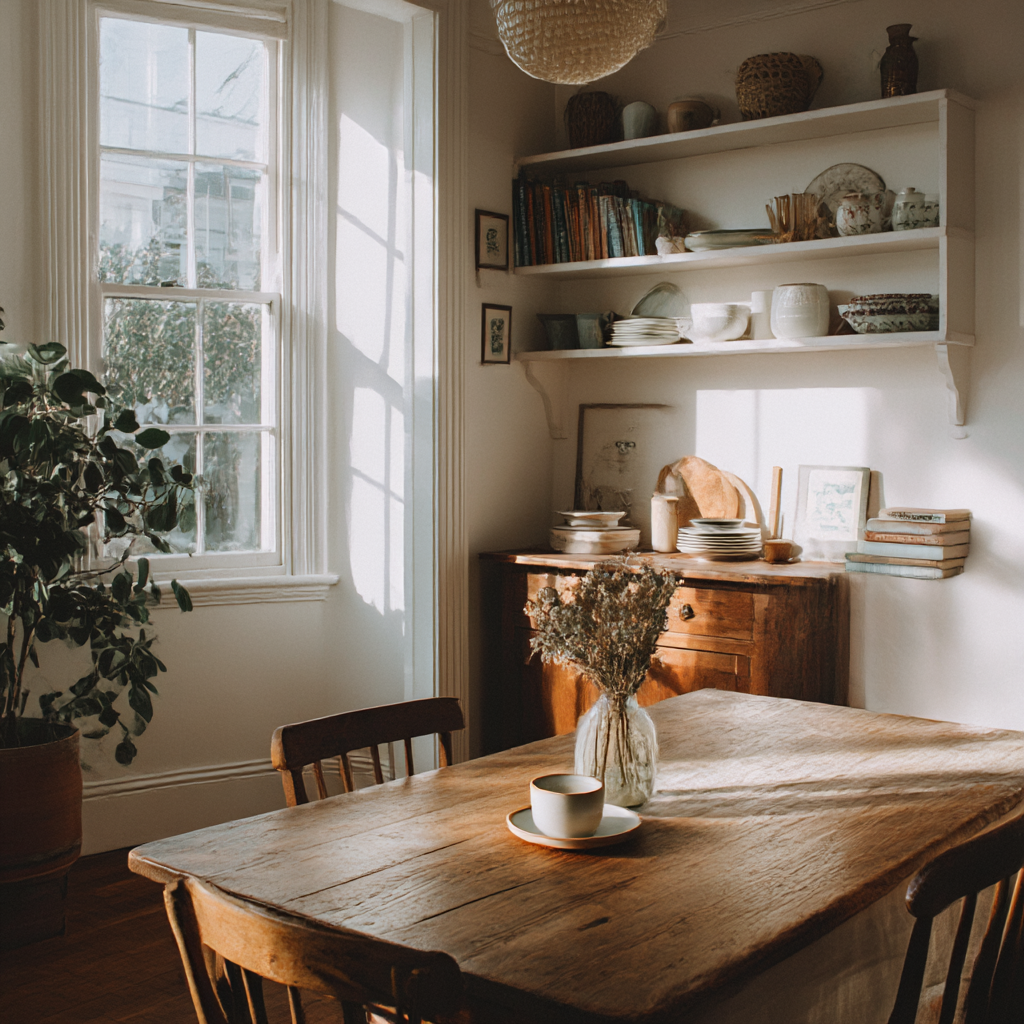
Instead of scheduling massive decluttering sessions, embrace ongoing editing. When putting away laundry or reorganizing a drawer, remove one or two items that no longer serve you. This gradual approach feels sustainable and avoids the burnout that often follows intense purges.
Simplified Decor
Layered interiors can feel warm and inviting, but too many decorative objects create visual noise. Choosing fewer, meaningful pieces allows each one to stand out. Open space around decor is just as important as the items themselves. A simplified approach maintains character without tipping into clutter.
Paper Management Rituals
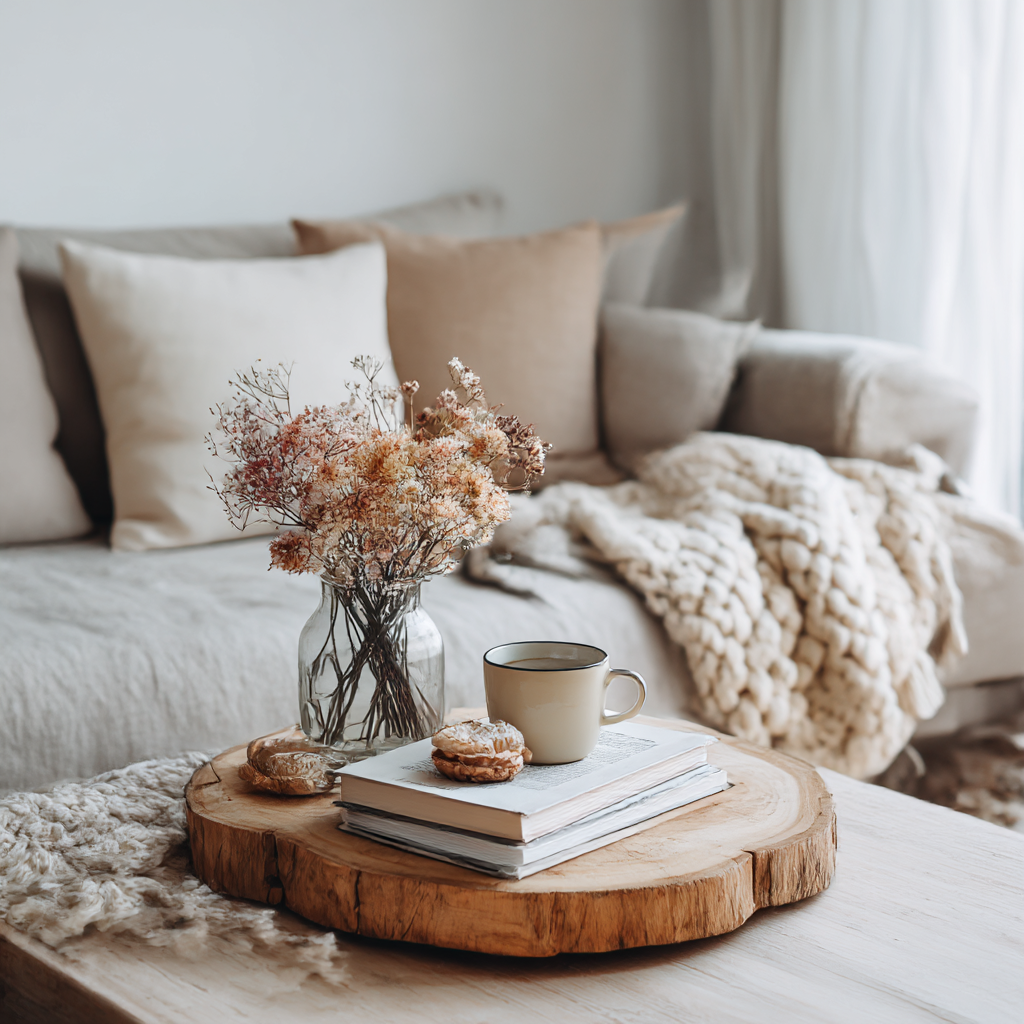
Paper is one of the most common sources of household clutter. Creating a consistent rhythm for sorting mail, recycling unnecessary documents, and filing essentials prevents stacks from forming. When paper is handled promptly, it stops dominating surfaces and attention.
Functional Entryways
The entryway sets the tone for the entire home. Hooks for coats, trays for keys, and baskets for shoes create order where transitions happen daily. When this space functions well, clutter has fewer opportunities to spread beyond it.
Intentional Storage Solutions
Storage should support daily life, not hide chaos. Baskets, bins, and drawers work best when they are not overfilled. Leaving breathing room allows items to move in and out without friction. Thoughtful storage keeps belongings accessible while maintaining visual calm.
Seasonal Reviews
As seasons shift, so do needs. Reviewing wardrobes, linens, and stored items at the change of each season keeps excess from accumulating unnoticed. This habit aligns your home with current routines and prevents overcrowding.
Ending Each Day With Order
A brief evening tidy anchors the day. Returning items to their place, loading the dishwasher, and preparing key areas for the next morning creates a sense of closure. Waking up to an orderly space reduces stress and sets a grounded tone.
Final Thoughts
Keeping a home clutter free is less about discipline and more about rhythm. Slow living habits support consistency without intensity. By weaving small resets, mindful decisions, and gentle editing into everyday routines, clutter loses its power to accumulate. The result is not a sterile space, but a home that feels breathable, balanced, and deeply supportive of daily life. True order comes from alignment, not perfection.
Add a Comment