
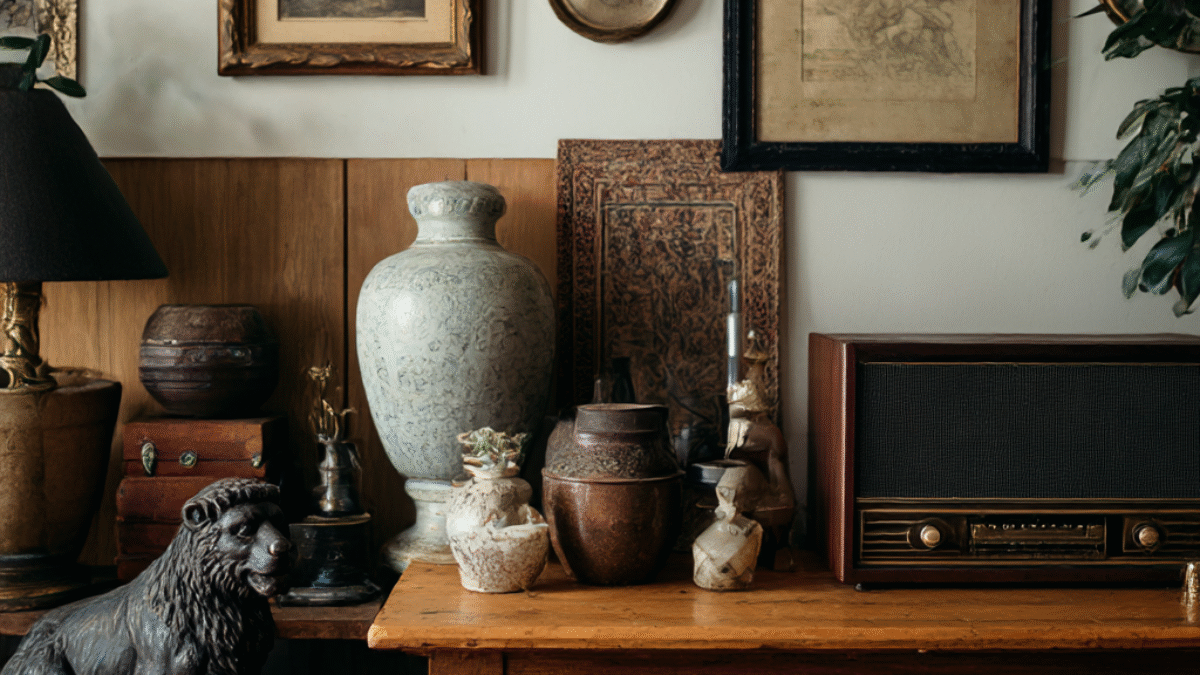
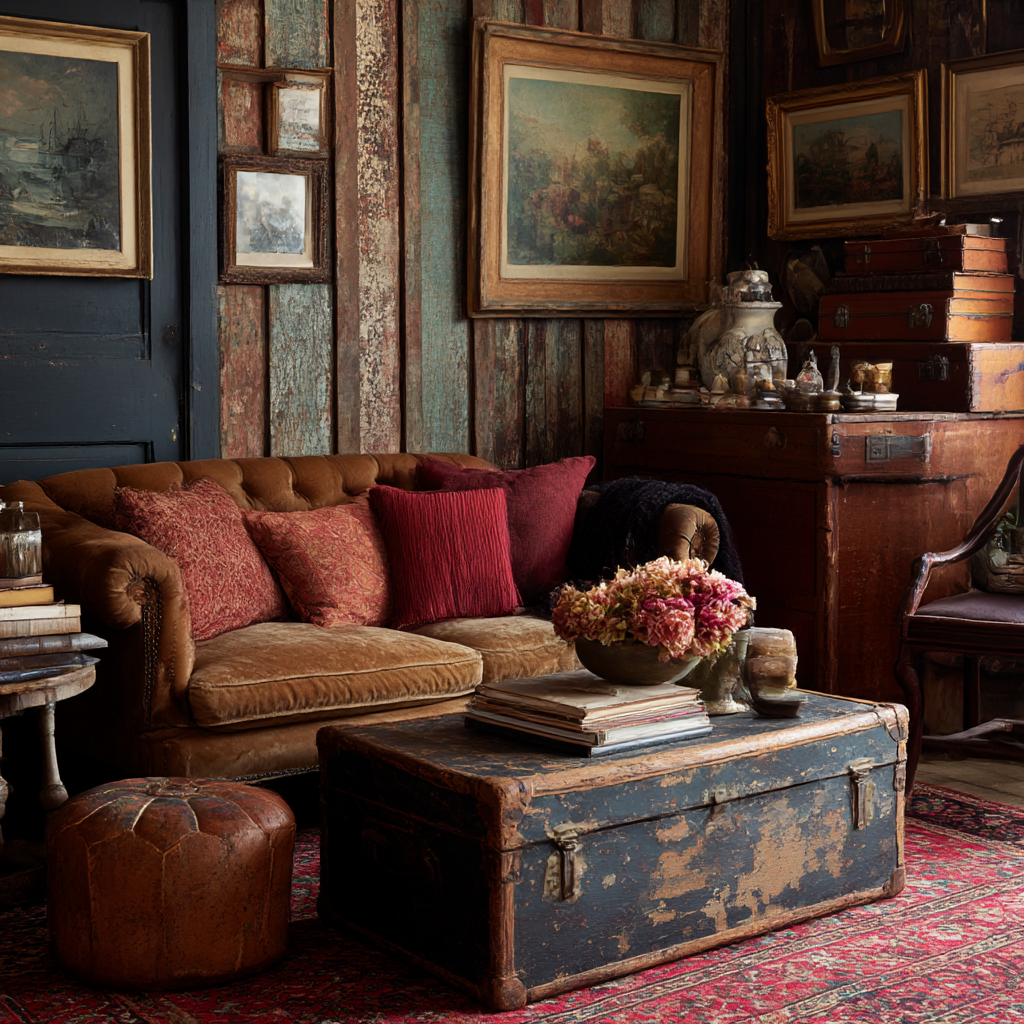
There is something undeniably compelling about a home layered with vintage and antique finds. These pieces carry history, craftsmanship, and character that cannot be replicated by mass-produced furnishings. Decorating with vintage and antique items is not about recreating the past. It is about weaving stories, texture, and depth into a modern home in a way that feels personal and grounded. When thoughtfully integrated, older pieces elevate a space from simply styled to richly composed.
Understanding the Difference Between Vintage and Antique
Before incorporating older pieces into your home, it helps to understand the distinction. Antiques are typically defined as items that are at least one hundred years old. Vintage pieces are generally younger, often representing design from the mid-twentieth century or other notable eras. Both categories offer unique value. Antiques bring heritage and traditional craftsmanship, while vintage finds often introduce bold silhouettes, distinctive materials, and a sense of nostalgia.
The goal is not to adhere rigidly to definitions but to appreciate the design language each era offers. Knowing the background of a piece allows you to place it more intentionally within your space.
Start With One Statement Piece
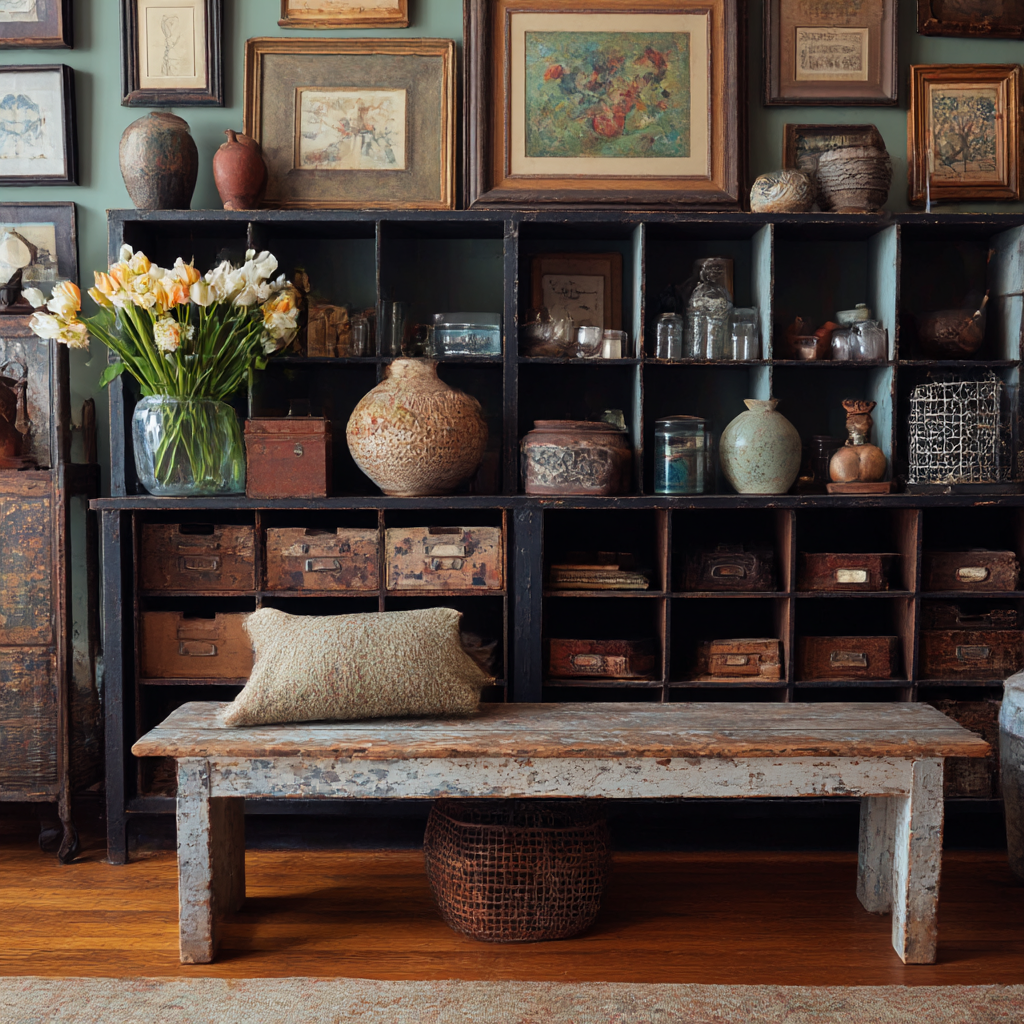
If you are new to decorating with vintage and antiques, begin with a single anchor item. A weathered wood dining table, an ornate mirror, or a sculptural midcentury chair can become the focal point of a room. Surrounding that piece with more contemporary elements prevents the space from feeling themed or overly nostalgic.
Contrast is what makes vintage and antique finds shine. A carved antique cabinet placed against crisp white walls or beneath modern lighting feels fresh rather than dated. Let the piece breathe and allow its details to stand out.
Balance Old and New Thoughtfully
A successful interior rarely leans entirely in one direction. Mixing eras creates visual interest and keeps a home from feeling staged. Pairing sleek upholstery with an antique coffee table or placing modern art above a traditional sideboard creates dynamic tension.
The balance does not need to be symmetrical. Instead, think in terms of visual weight. If a room contains several ornate pieces, offset them with clean lines and simple forms. If the architecture is minimal, a single antique item can introduce warmth and texture.
Pay Attention to Scale and Proportion
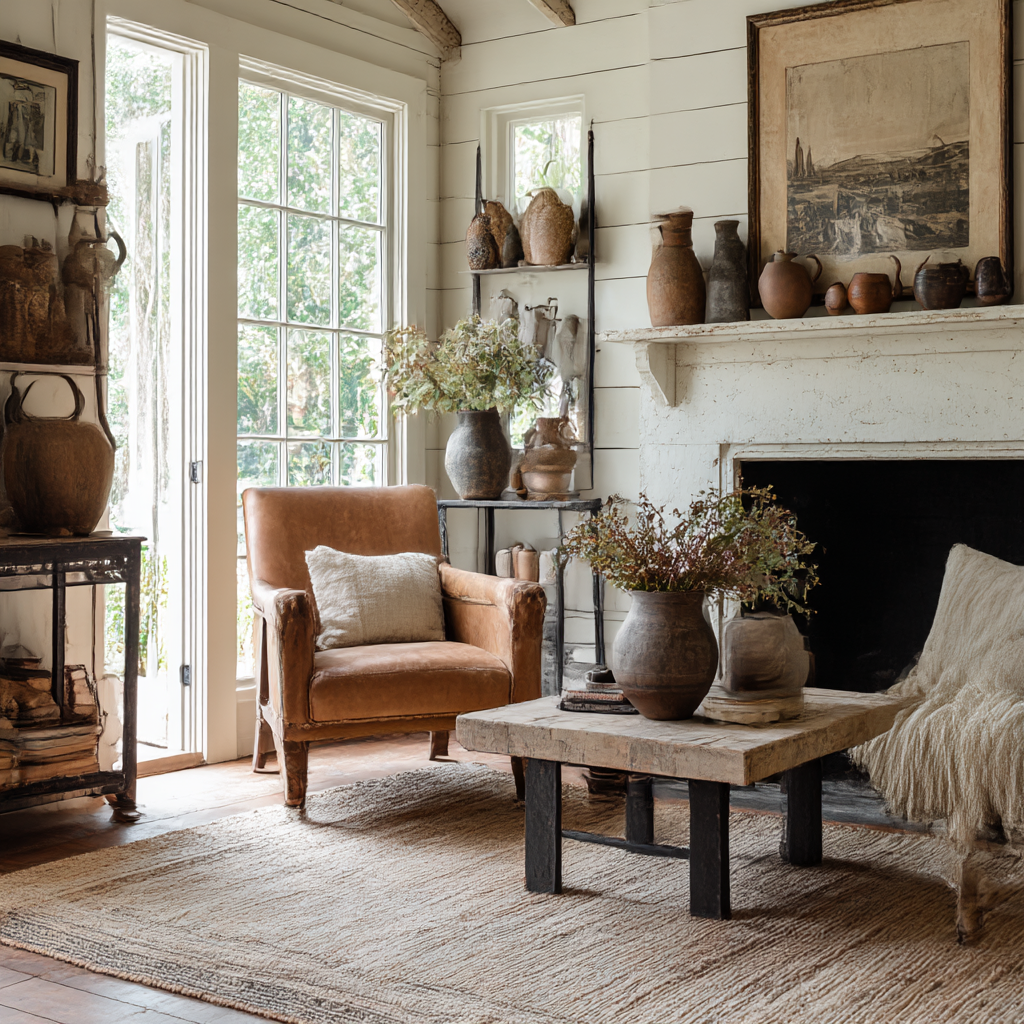
Vintage and antique furniture often differs in scale from contemporary pieces. Older sofas may sit lower, while antique armoires can feel taller and more substantial. Before purchasing, measure carefully and consider how the piece will interact with existing furnishings.
Proportion affects how harmonious a room feels. An oversized antique cabinet in a small space may overwhelm, while a delicate vintage side table might feel lost in a large, open-plan room. Thoughtful placement ensures each piece feels intentional rather than crowded.
Layer With Texture and Patina
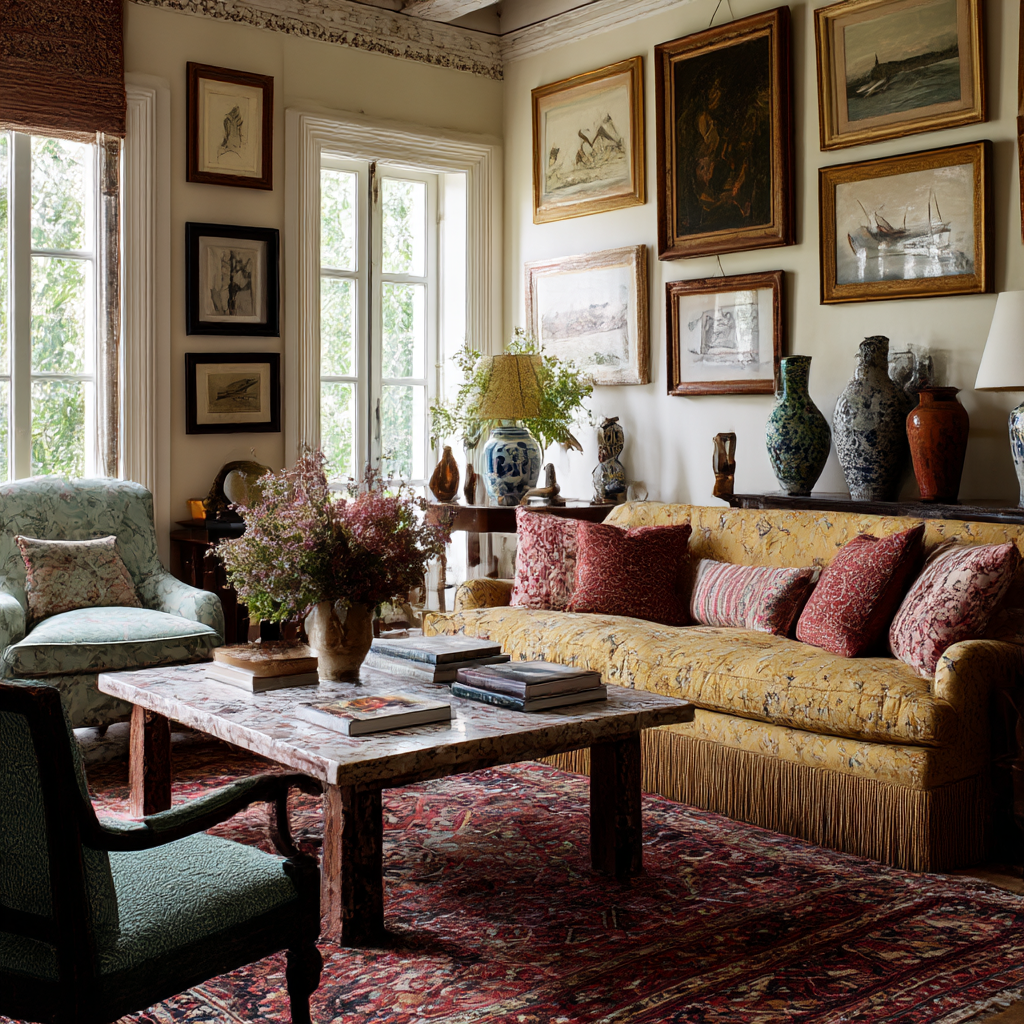
One of the greatest advantages of vintage and antique decor is the natural patina that develops over time. Worn wood, aged brass, and gently faded textiles add depth that new items often lack. Rather than refinishing every surface, embrace subtle imperfections.
Layering these textures alongside softer materials such as linen, wool, or cotton enhances the overall warmth of the space. Patina tells a story, and when balanced with clean surfaces, it feels curated rather than chaotic.
Source With Intention
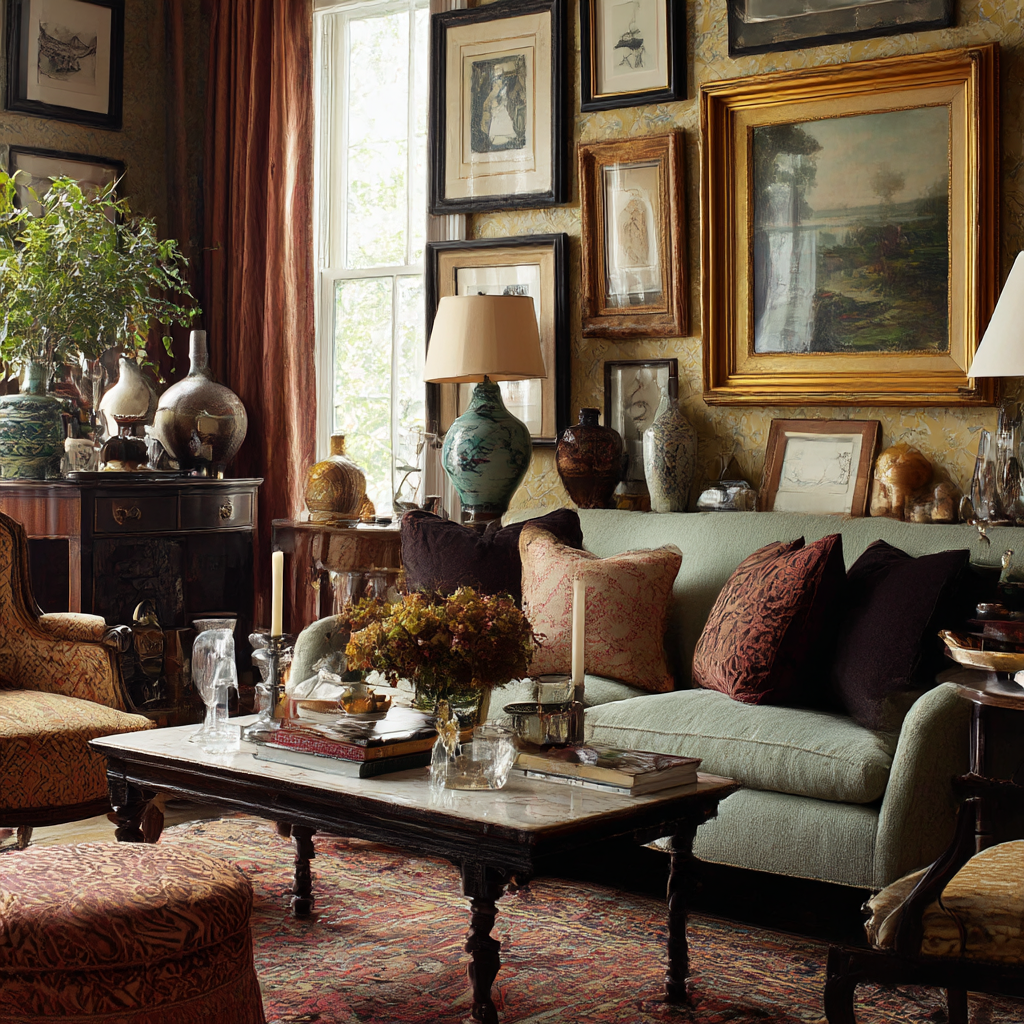
Finding meaningful vintage and antique pieces requires patience. Explore local markets, estate sales, antique shops, and curated online platforms. Instead of collecting impulsively, focus on items that genuinely resonate with your style and needs.
Quality should guide your choices. Solid wood construction, sturdy joinery, and authentic materials often signal durability. A well-made piece will integrate seamlessly into modern life and withstand continued use.
Refresh Without Erasing Character
Not every vintage or antique find needs to remain untouched. Thoughtful updates can extend its life while preserving charm. Reupholstering a chair in contemporary fabric, updating hardware on a dresser, or pairing an antique table with modern seating can create a cohesive blend.
The key is restraint. Avoid stripping away the very details that make the piece special. Small adjustments often achieve more than complete transformations.
Create Cohesion Through Color
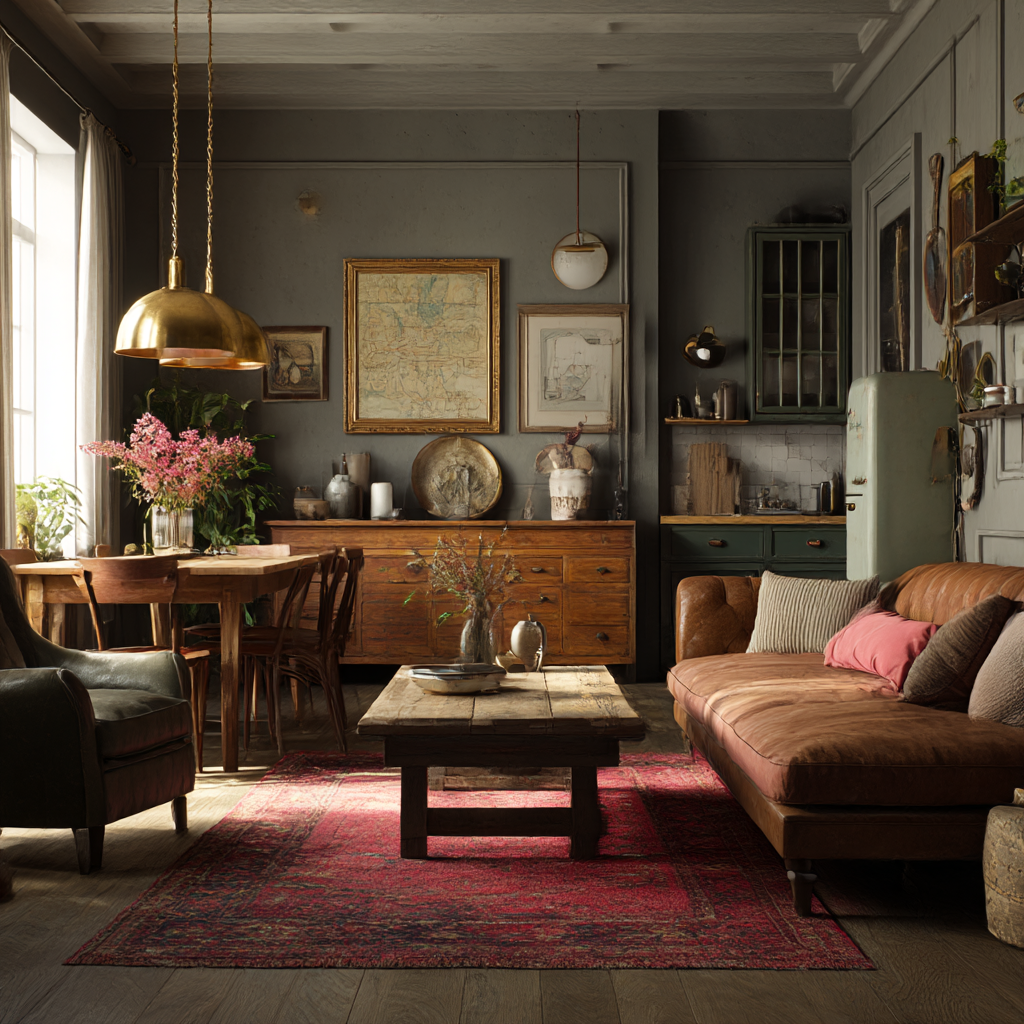
Color plays a powerful role in unifying old and new elements. A consistent palette allows diverse pieces to coexist harmoniously. Soft neutrals often provide a calm backdrop that highlights antique details, while deeper tones can amplify drama and richness.
Repeating a particular hue across textiles, artwork, and accessories helps tie the room together. Even when furniture spans different eras, color continuity maintains visual balance.
Tell a Personal Story
Decorating with vintage and antiques becomes most meaningful when it reflects your story. Family heirlooms, travel finds, and pieces discovered over time create a layered narrative. These items add emotional depth that cannot be purchased in a single shopping trip.
Allow your home to evolve gradually. The most compelling interiors feel collected rather than decorated in one moment. This gradual curation ensures authenticity and avoids a staged appearance.
Final Thoughts
Decorating with vintage and antique finds is an exercise in balance, patience, and personal expression. By thoughtfully blending old and new, paying attention to scale, and honoring the character of each piece, you can create a home that feels timeless and distinctive. Vintage and antiques are not about recreating another era. They are about enriching your present space with depth, craftsmanship, and story. When chosen intentionally, these pieces transform a house into a home layered with meaning.
Questions & Answers
How do I keep vintage decor from feeling outdated?
Balance older pieces with contemporary elements such as modern lighting, streamlined furniture, and a cohesive color palette to create contrast and freshness.
Are antiques practical for everyday living?
Many antiques are exceptionally well made and durable. With proper care and thoughtful placement, they can function beautifully in daily life.
Can I mix multiple eras in one room?
Yes, mixing eras often creates the most interesting spaces. Focus on proportion, color cohesion, and visual balance to ensure the combination feels harmonious rather than random.
Add a Comment