
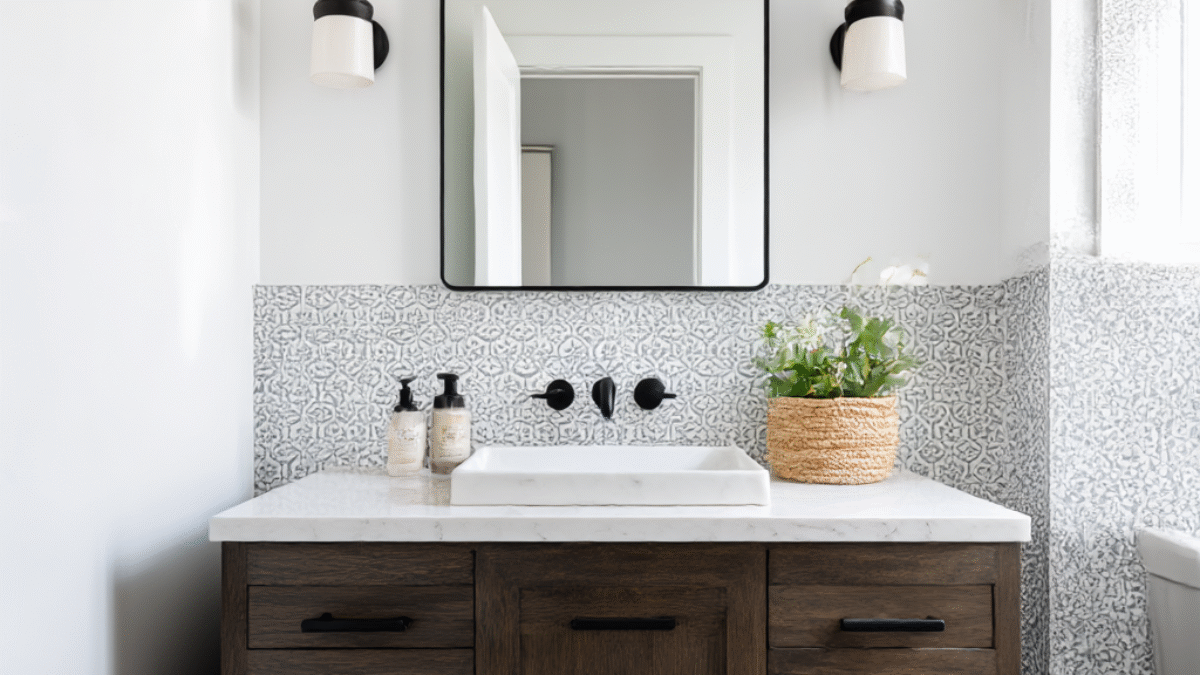
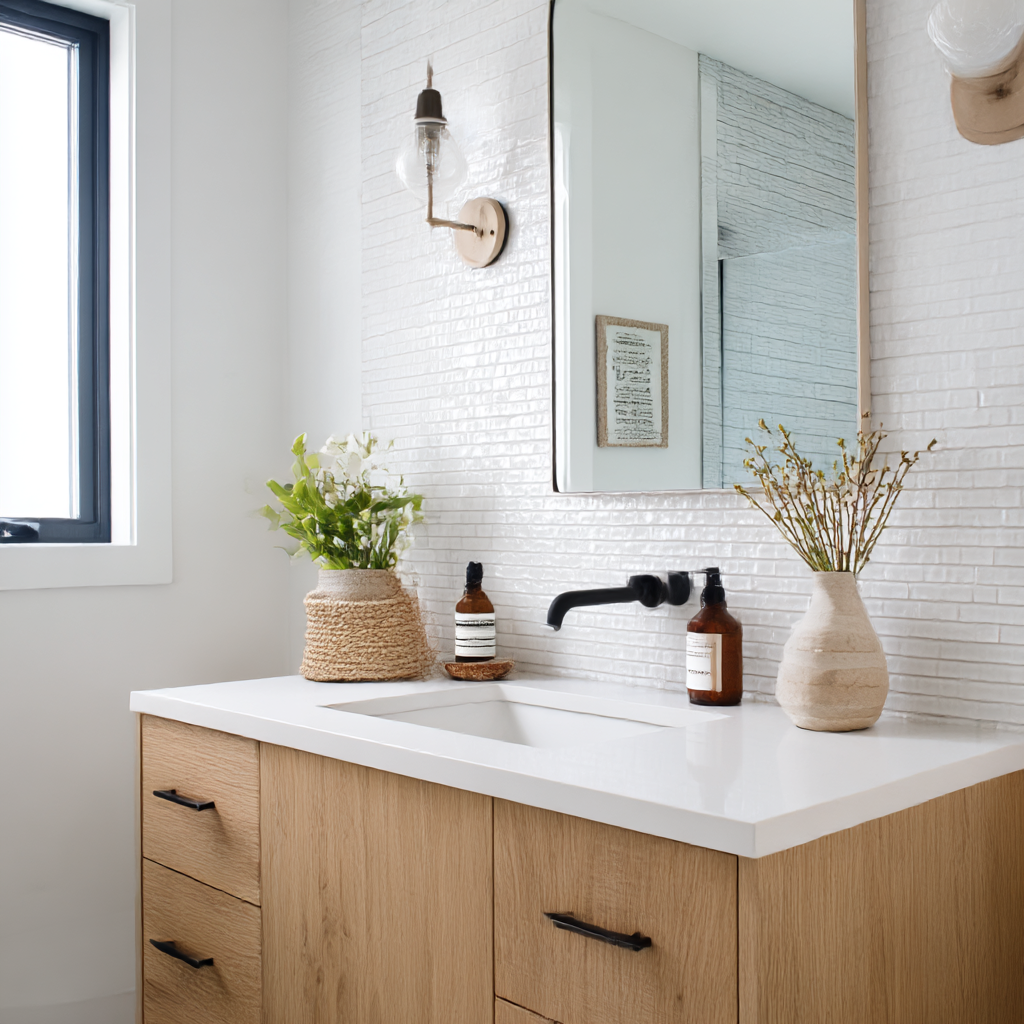
Sometimes the smallest changes make the biggest difference. In the bathroom, a backsplash is one of those details that quietly transforms the entire space. It protects the walls, adds personality, and brings cohesion to the room without requiring a full renovation. When chosen thoughtfully, a bathroom backsplash can elevate even the simplest design and make the space feel finished and intentional.
If you are looking for a high-impact update that feels fresh, stylish, and manageable, these bathroom backsplash ideas offer inspiration that works across many styles and layouts.
Why a Bathroom Backsplash Matters
A backsplash may seem like a minor feature, but it plays an important role in how a bathroom looks and functions. It frames the vanity, draws the eye upward, and creates a natural transition between surfaces.
Beyond aesthetics, a backsplash protects walls from moisture and daily splashes. This practical element becomes an opportunity to introduce texture, color, or pattern in a controlled and beautiful way. Because the area is relatively small, you can be more creative without overwhelming the room.
Keeping It Simple With Classic Tile
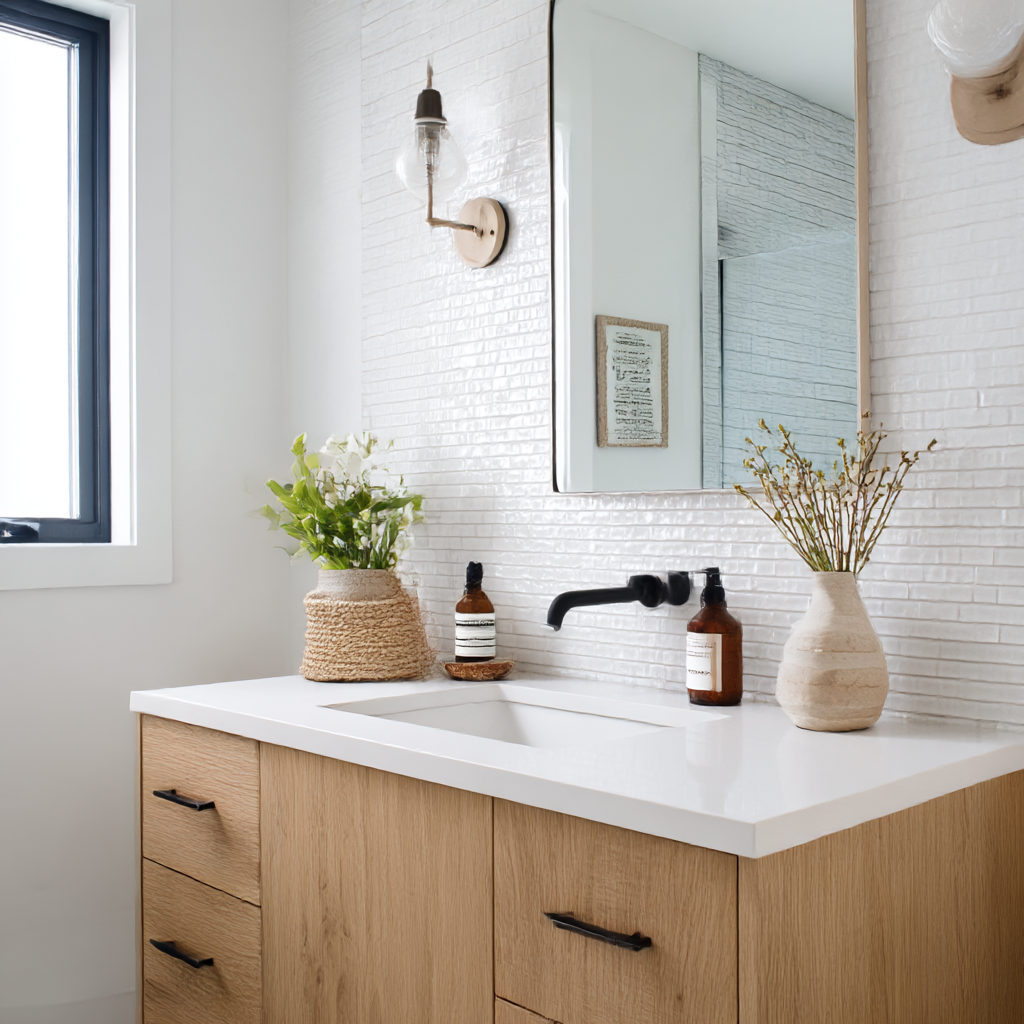
Classic tile choices remain popular for a reason. Clean, simple tiles create a timeless look that works in both modern and traditional bathrooms.
Subway tile, square tile, or softly textured ceramics provide a neutral foundation that pairs easily with different vanity styles and finishes. Choosing a subtle grout color keeps the look seamless and calm, allowing the backsplash to enhance the space without demanding attention.
This approach is ideal if you want a bathroom that feels fresh now and still looks good years from today.
Adding Texture for Visual Interest
Texture is one of the most effective ways to add depth to a bathroom backsplash. Even when working with a neutral palette, textured tiles create shadows and variation that bring the wall to life.
Handmade-look tiles, subtle ridges, or gently uneven surfaces add character without introducing bold patterns. These textures catch light beautifully and make the backsplash feel more custom and thoughtfully designed.
Texture works especially well in small bathrooms, where too much color or pattern can feel overwhelming.
Exploring Soft Patterns Without Overpowering the Space
If you enjoy pattern but prefer a calm bathroom, look for designs that feel gentle rather than busy. Repeating shapes, delicate geometric designs, or tonal patterns add interest while maintaining balance.
Soft patterns work best when the rest of the bathroom remains simple. Let the backsplash be the feature, supported by neutral walls, clean lines, and understated accessories. This creates a space that feels layered and refined instead of chaotic.
Using Color to Create a Focal Point
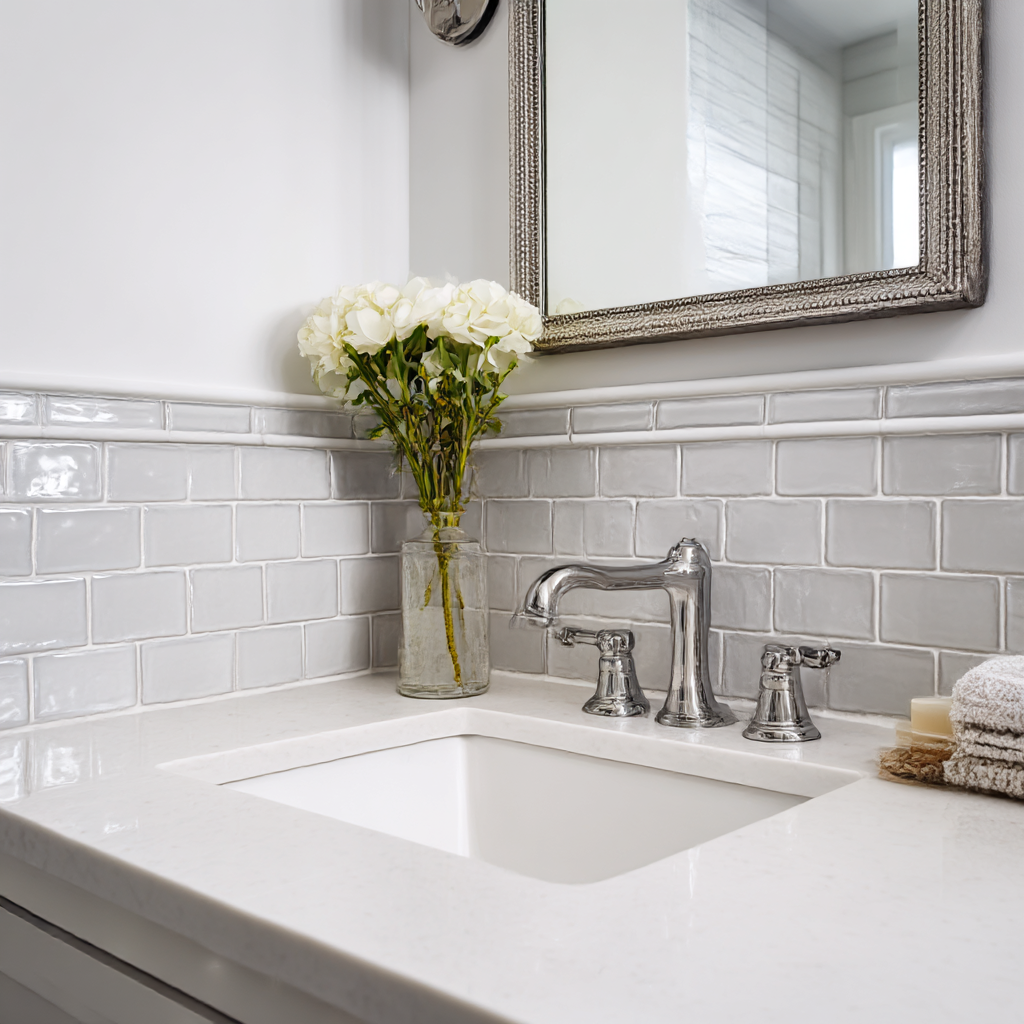
A backsplash is a great place to experiment with color in a bathroom. Because the surface area is limited, even a deeper or more saturated shade can feel intentional rather than overpowering.
Muted blues, soft greens, warm neutrals, or earthy tones bring personality and warmth. These colors often feel especially inviting when paired with natural materials like wood or stone.
Choosing a backsplash color that complements the vanity or flooring helps tie the entire room together.
Extending the Backsplash for a Custom Look
Taking the backsplash higher than expected can instantly elevate the bathroom. Extending tile up the wall behind the vanity or mirror creates a sense of height and adds architectural interest.
This approach works particularly well in smaller bathrooms, where vertical elements help the space feel taller. Keeping the tile consistent and the layout simple prevents the look from feeling heavy.
An extended backsplash feels intentional and custom, even when using straightforward materials.
Mixing Materials for a Layered Effect
A bathroom backsplash does not need to match every other surface exactly. Mixing materials thoughtfully can create a rich, collected look.
Stone countertops paired with ceramic tile, or smooth tiles combined with textured finishes, add depth and contrast. The key is harmony. Materials should complement each other rather than compete.
This layered approach adds sophistication and makes the bathroom feel curated rather than builder-basic.
Considering Natural Stone for Subtle Luxury
Natural stone backsplashes bring an organic elegance to bathrooms. Marble, travertine, or limestone introduce natural variation that cannot be replicated by manufactured materials.
Even a small stone backsplash can make the bathroom feel elevated and timeless. Keeping the surrounding elements simple allows the natural beauty of the stone to shine without overwhelming the space.
Stone backsplashes work beautifully in both modern and classic interiors.
Keeping Maintenance in Mind
While aesthetics are important, maintenance should also guide your backsplash choice. Bathrooms are high-moisture environments, and materials should be easy to clean and durable.
Glazed tiles and sealed stone surfaces are practical options that hold up well over time. Choosing finishes that resist staining and moisture ensures your backsplash stays beautiful with minimal upkeep.
A low-maintenance choice often leads to greater long-term satisfaction.
Matching the Backsplash to the Overall Style
The most successful bathroom backsplashes feel connected to the overall design of the space. A modern bathroom benefits from clean lines and simple layouts, while a more traditional bathroom may suit classic shapes or softer textures.
Looking at the vanity style, hardware finish, and lighting helps guide the backsplash decision. When all elements work together, the bathroom feels cohesive and well-designed.
Final Thoughts
A bathroom backsplash is proof that small updates can create big impact. With the right material, color, and placement, this simple feature can transform the entire room.
Whether you prefer classic simplicity, subtle texture, or a touch of color, a thoughtfully chosen backsplash adds personality and polish without requiring a full renovation. When designed with intention, it becomes one of the most effective and satisfying updates you can make in a bathroom.
Questions About Bathroom Backsplash Ideas
Is a backsplash necessary in a bathroom?
A backsplash is not strictly required, but it offers both protection and style. It helps prevent water damage on walls while adding a finished, intentional look to the vanity area. Many people find that a backsplash makes the bathroom feel more complete.
What type of backsplash works best in a small bathroom?
In a small bathroom, simple tiles, light colors, and subtle textures tend to work best. These choices reflect light and keep the space feeling open. Vertical or extended backsplash designs can also help the room feel taller.
How do I choose a backsplash that will not feel outdated?
Timeless shapes, neutral tones, and quality materials are less likely to feel dated. Avoid overly trendy patterns if you want longevity. Choosing a backsplash that complements the rest of the bathroom design helps ensure it remains stylish over time.
Add a Comment