
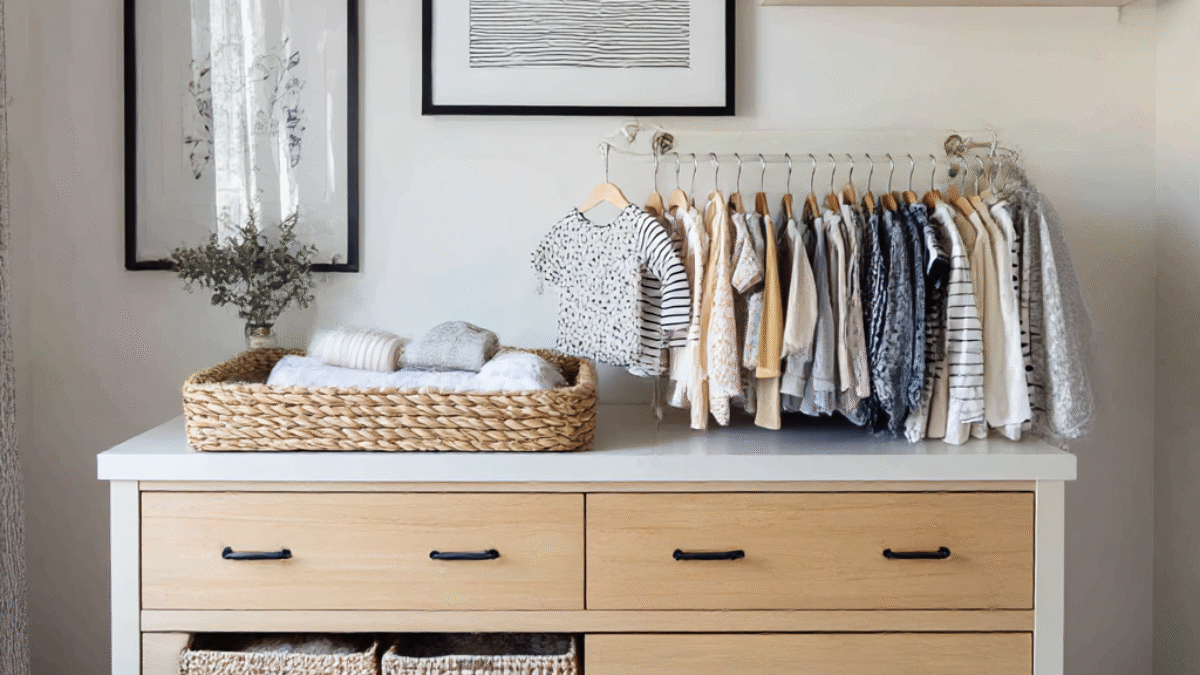
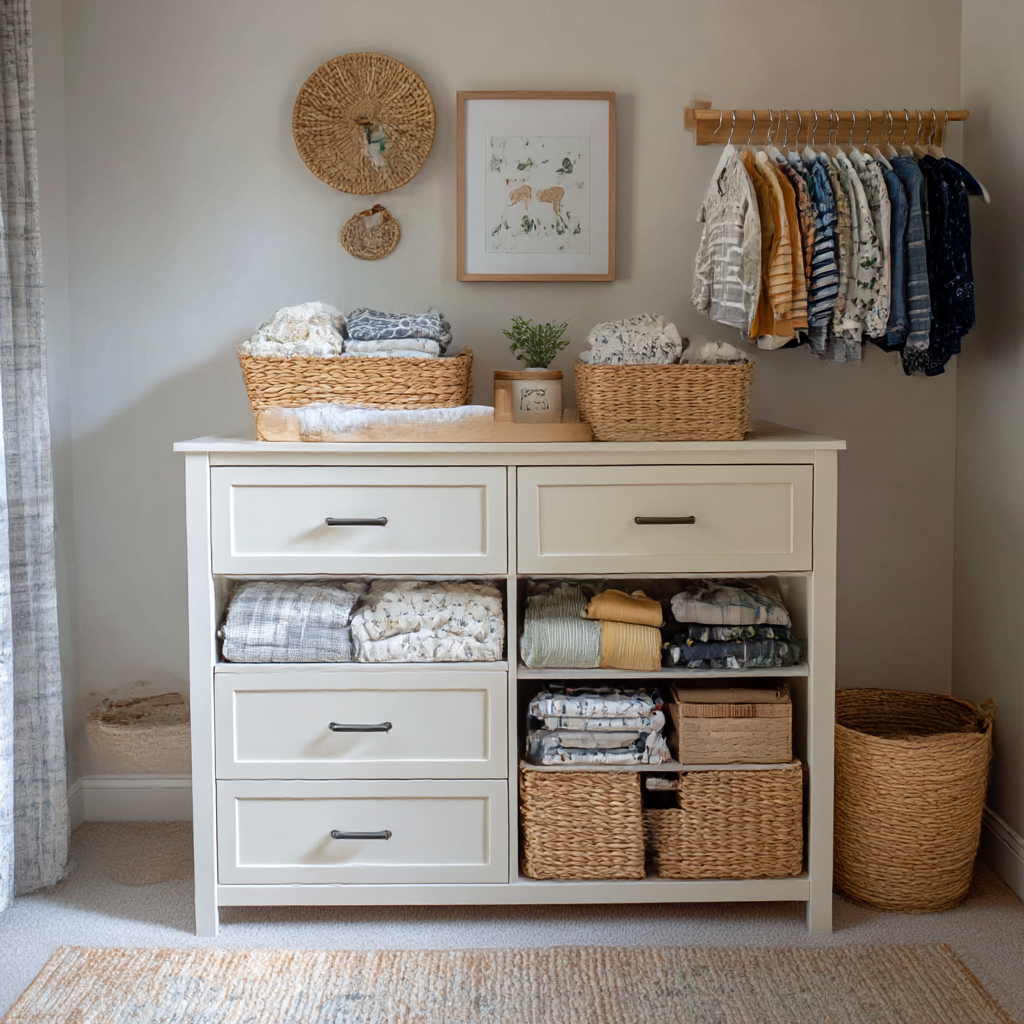
A well-organized nursery dresser can make everyday life with a baby feel calmer and more manageable. When you’re dealing with diaper changes, outfit swaps, and middle-of-the-night wake-ups, the last thing you want is to dig through messy drawers. Organizing your nursery dresser like a pro isn’t about perfection—it’s about creating a system that saves time, reduces stress, and grows with your baby.
This guide will walk you through simple, practical steps to turn your nursery dresser into an organized, functional space that actually works.
Start With a Clean Slate
Before organizing anything, empty the dresser completely. This step may feel tedious, but it’s essential. Take everything out, wipe down the drawers, and assess what you really need to store there.
As you go through baby clothes and supplies, sort items into clear categories such as everyday clothes, sleepwear, accessories, and extras. Be honest about what your baby actually wears and what tends to sit unused. Removing clutter at the start makes the rest of the process much easier.
Sort by Category, Not by Outfit
One of the biggest professional organization secrets is sorting by category instead of by complete outfits. Babies go through multiple changes a day, and separating items makes grabbing what you need fast and effortless.
Common categories include:
- Onesies and bodysuits
- Pants and leggings
- Sleepers and pajamas
- Socks and mittens
- Burp cloths and bibs
When each drawer or section has a clear purpose, you’ll spend less time searching and more time focusing on your baby.
Use Drawer Dividers for Structure
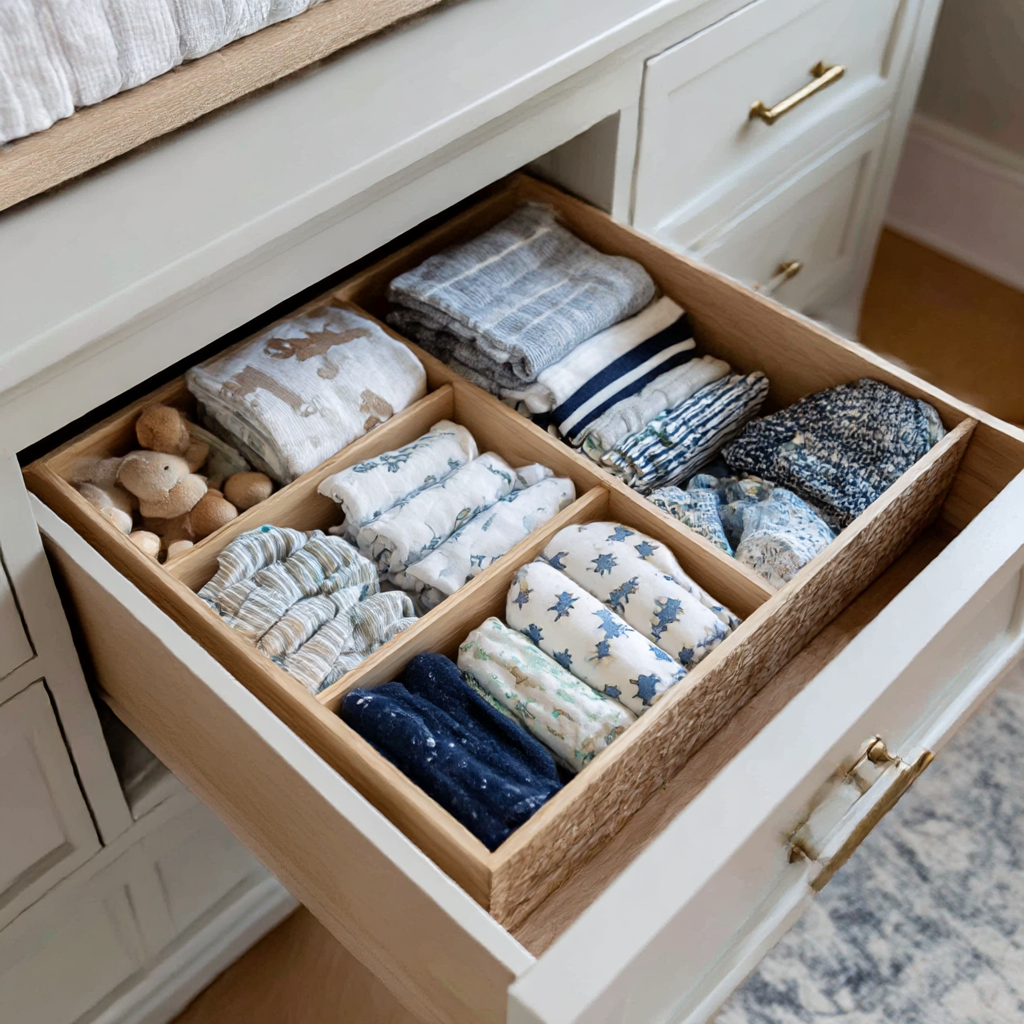
Drawer dividers are a game changer for nursery organization. They keep small items from shifting around and help maintain order even when you’re in a hurry.
Use dividers to separate onesies from pants or to keep socks neatly grouped together. Adjustable dividers are especially helpful because they can be rearranged as your baby grows and their clothing sizes change. This simple addition instantly makes your dresser feel professionally organized.
Roll Clothes Instead of Folding
Instead of stacking baby clothes, try rolling them. Rolling allows you to see everything at a glance and prevents items from getting buried underneath others.
This method works especially well for onesies, pajamas, and leggings. Place rolled items upright in rows so you can quickly spot what you need. It’s a small technique that makes a big difference in daily efficiency.
Organize Drawers by Frequency of Use
Think about how often you use certain items and organize your dresser accordingly. The most frequently used items should be the easiest to reach.
Top drawers are perfect for daily essentials like diapers, wipes, onesies, and sleepers. Middle drawers can hold clothes that are used regularly but not constantly, such as pants or seasonal layers. Lower drawers are ideal for extras like blankets, swaddles, or items your baby will grow into.
This setup minimizes movement and saves time during busy moments.
Label for Clarity and Consistency
Labels aren’t just for looks—they’re incredibly practical. Labeling drawers or divider sections helps everyone who uses the nursery stay consistent, whether it’s a partner, grandparent, or babysitter.
Simple labels like “Sleepwear,” “Onesies,” or “Accessories” ensure everything goes back where it belongs. Over time, this keeps the system working without constant reorganization.
Plan for Growth and Change
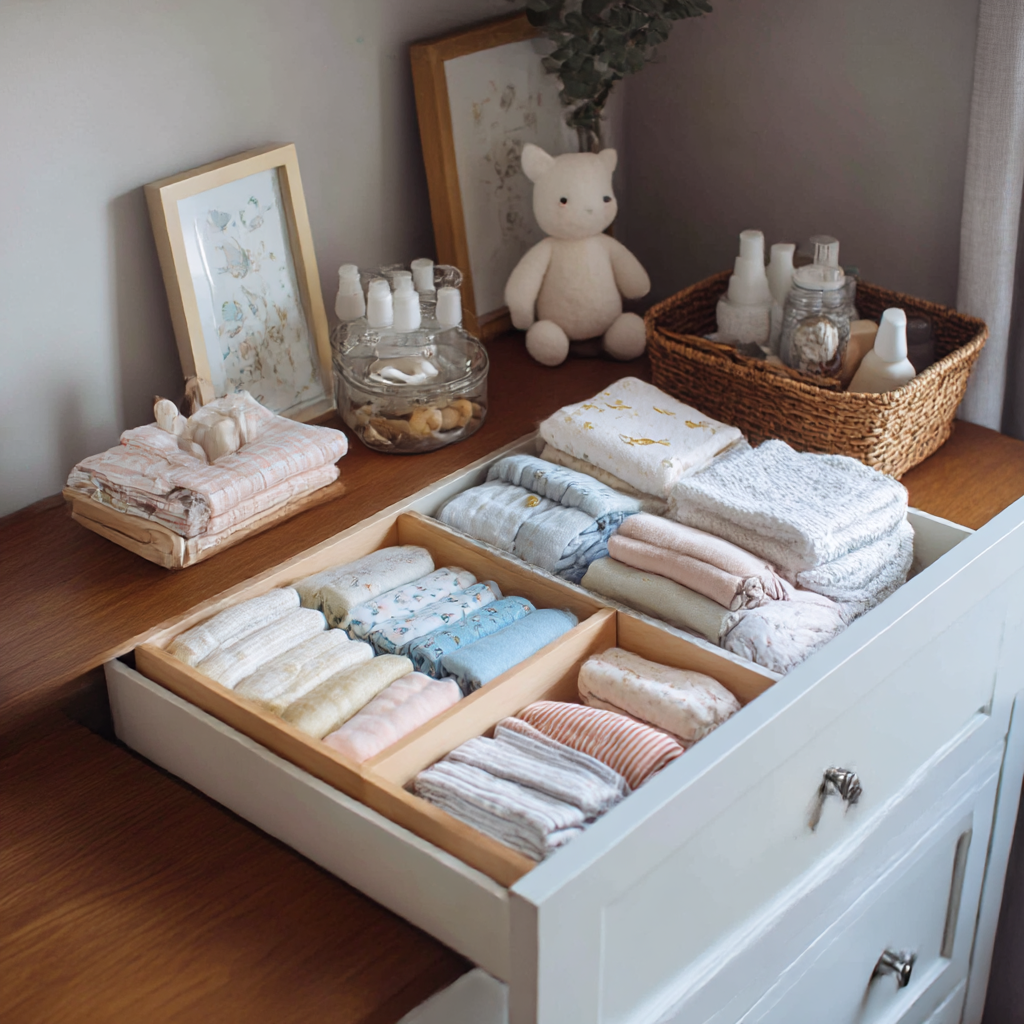
Babies grow fast, and their needs change just as quickly. A professional-level nursery dresser is flexible, not fixed.
Leave a little extra space in each drawer so you can easily swap out clothes as sizes change. Consider keeping one drawer or section for “next size up” items so you’re not scrambling when your baby suddenly outgrows their current clothes.
Revisiting and adjusting your setup every few months will keep your dresser functional long-term.
Keep the Top of the Dresser Minimal
While this guide focuses on drawers, the top of the dresser matters too—especially if it doubles as a changing station. Keep only essentials on top, such as diapers, wipes, and diaper cream.
Use small bins or trays to prevent clutter and make cleanup quick. A clean surface not only looks better but also makes diaper changes safer and more efficient.
Maintain the System With Small Habits
The final step to organizing like a pro is maintenance. Fortunately, it doesn’t require much effort. Put items back in their designated spots, do quick weekly check-ins, and remove clothes your baby has outgrown as soon as possible.
A few minutes of upkeep each week prevents the dresser from becoming overwhelming again.
Final Thoughts
Organizing a nursery dresser like a pro is all about simplicity, visibility, and practicality. When everything has a clear place and is easy to access, daily routines become smoother and less stressful. With a thoughtful setup and a little maintenance, your nursery dresser can stay organized, functional, and ready for whatever the day brings.
Add a Comment