
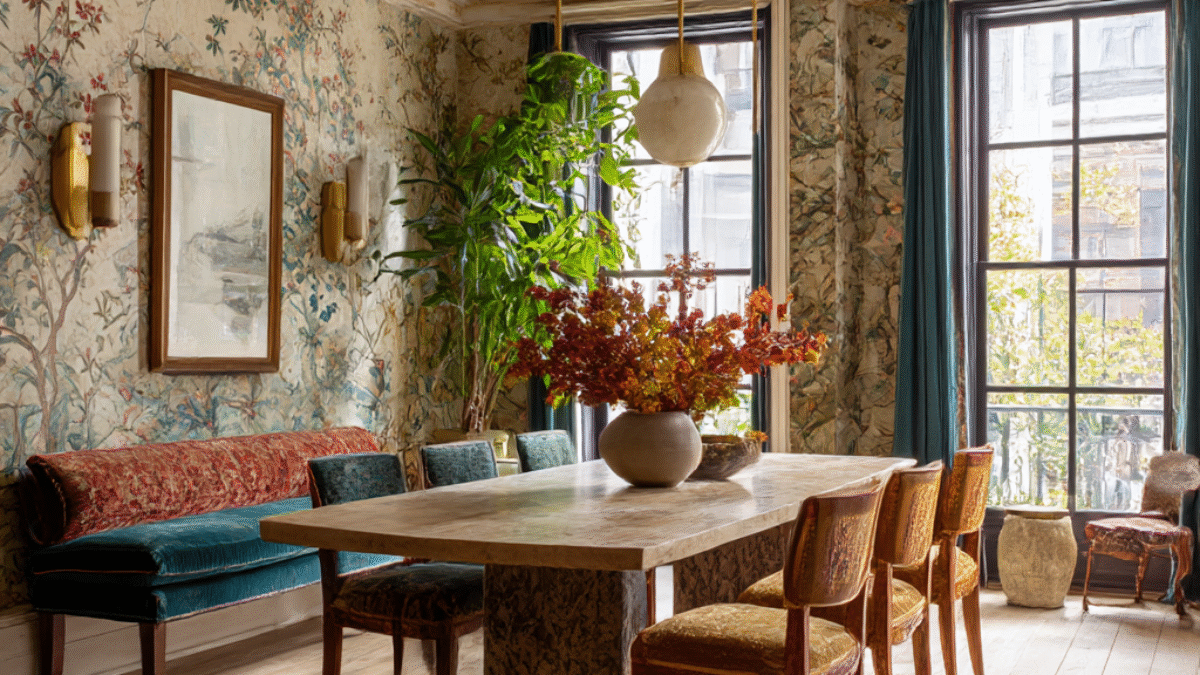
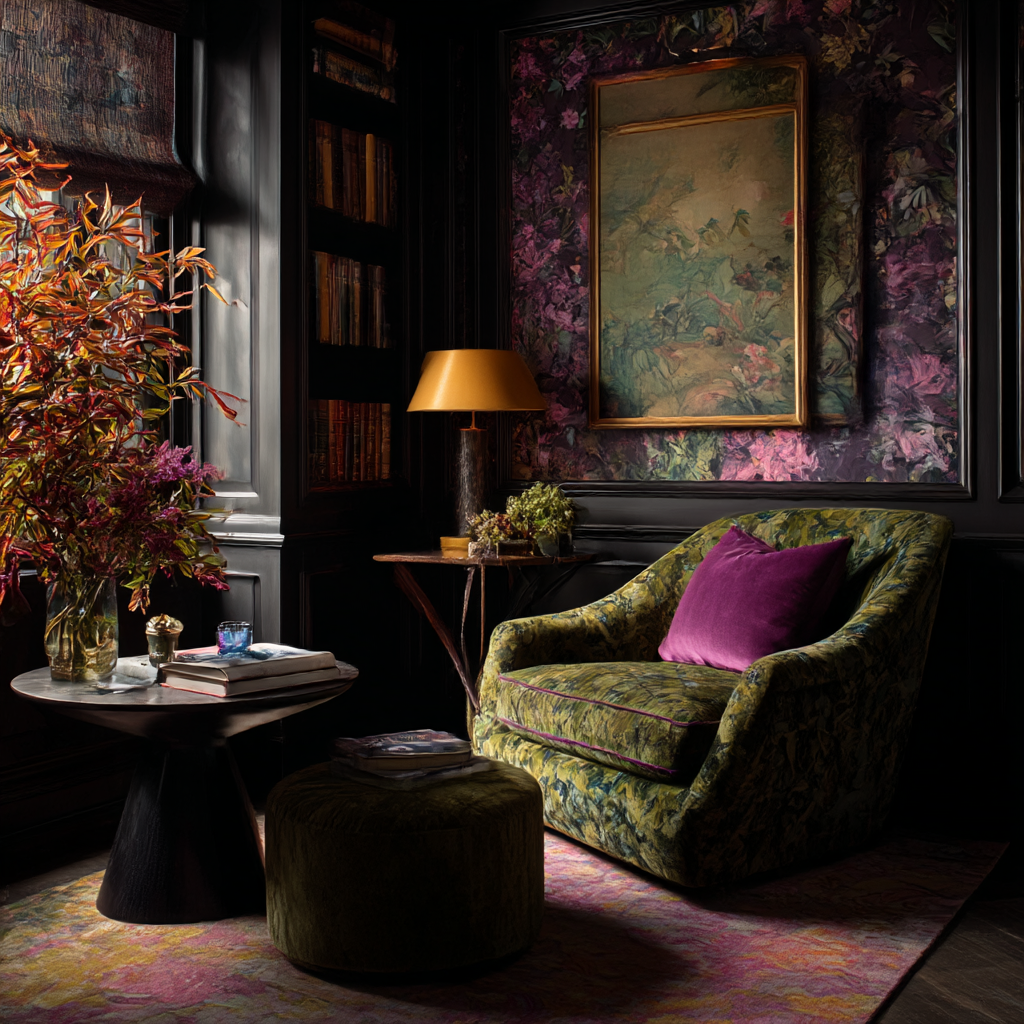
Some homes instantly feel right the moment you step inside. They are not overly styled or designed to impress at first glance. Instead, they feel calm, warm, and deeply personal. The most-loved interiors of the year share this quality. They reflect real life, real routines, and real people. As we move toward twenty twenty-six, interior design is shifting away from perfection and toward comfort, meaning, and emotional connection.
Rather than following rigid rules, today’s interiors are shaped by how people want to live and feel in their homes. This mindset is influencing the design trends that continue to grow stronger and more refined.
Homes That Feel Lived-In and Welcoming
One of the clearest changes in interior design is the move away from spaces that feel staged. Perfectly coordinated rooms are being replaced by interiors that feel collected over time. These homes include pieces that may not match exactly but belong together because they reflect the people who live there.
A worn armchair, a vintage table, or shelves filled with books and personal items create a sense of comfort that cannot be replicated by showroom styling. These interiors feel inviting because they embrace everyday life. They allow rooms to evolve naturally instead of remaining frozen in a single moment.
This approach makes a home feel welcoming not only to guests, but also to the people who return to it every day.
A Shift Toward Warm and Grounded Colour
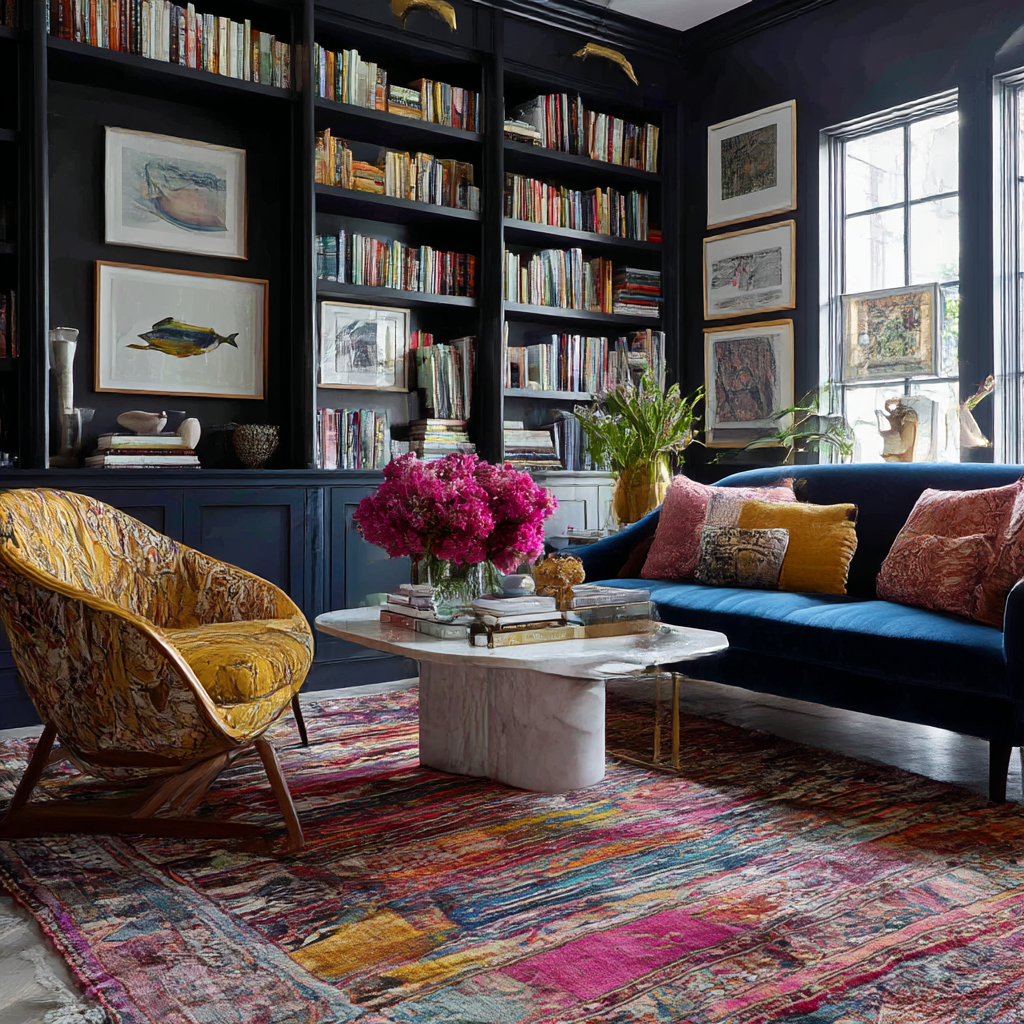
The most-loved interiors are moving away from cool, stark tones and embracing warmth. Soft, earthy colours inspired by nature are becoming the foundation of many homes. These tones bring a sense of calm and stability that feels especially important in everyday living spaces.
Warm neutrals, muted greens, gentle browns, and deep blues are being used to create rooms that feel grounded without being heavy. These colours work beautifully on walls, furniture, and textiles, adding depth while still allowing light to flow through the space.
Rather than dominating a room, these shades create a supportive backdrop that makes a home feel restful and inviting.
Texture as a Defining Element
Texture plays a central role in today’s interiors and continues to shape the direction of design moving forward. Even the simplest spaces feel richer when different textures are layered thoughtfully.
Natural materials such as wood, stone, linen, and woven fibres bring warmth and variation into a room. Textured walls, soft upholstery, and layered rugs add visual interest without the need for bold patterns or strong contrast. This focus on texture helps interiors feel comfortable and lived-in rather than flat or sterile.
Texture also creates a sensory experience, making a home feel welcoming not just visually, but physically as well.
The Rise of Modern Heritage Style
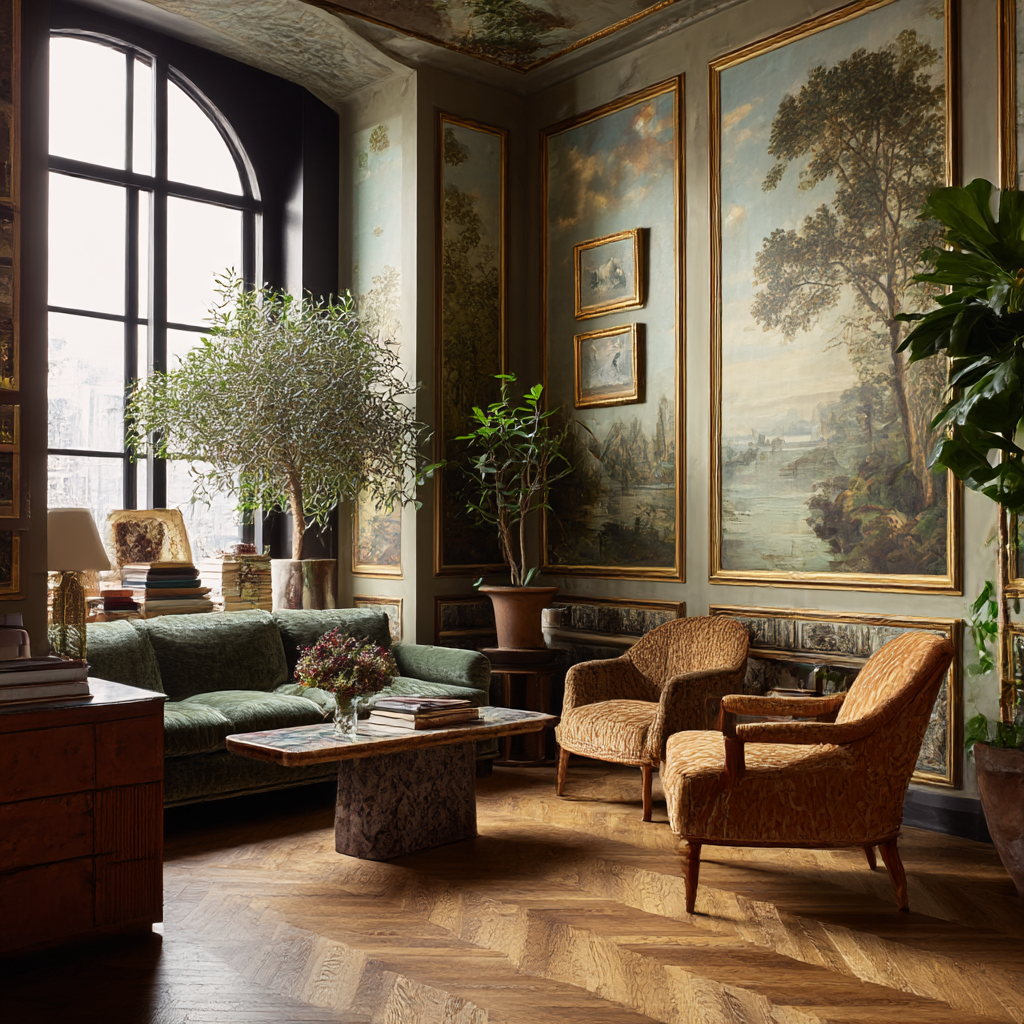
Many of the most-loved interiors blend old and new in a way that feels effortless. Modern heritage design brings together traditional elements and contemporary living, creating spaces that feel timeless rather than trendy.
Classic furniture shapes, antique details, and architectural character are paired with modern lighting, updated layouts, and simple finishes. This balance preserves the charm of older styles while keeping the home functional and relevant.
Homes designed this way feel grounded and authentic. They honour the past without being stuck in it, which gives them lasting appeal and emotional depth.
Comfort Takes Priority in Every Room
Comfort is no longer secondary to style. It has become a core part of how interiors are designed. Sofas are deeper, seating is softer, and layouts encourage relaxation instead of formality.
Living rooms are arranged to support conversation and rest. Bedrooms focus on calm and softness. Even dining spaces are designed to feel relaxed and welcoming rather than rigid. This comfort-first approach reflects how people actually use their homes.
When a space feels comfortable, it becomes a place where people want to spend time. That sense of ease is a defining feature of the interiors people love most.
Personal Expression Over Perfection
What truly sets these interiors apart is how personal they feel. Rather than copying a single look, people are choosing pieces that reflect their tastes, memories, and experiences.
Artwork, objects from travels, family pieces, and items with sentimental value are being woven into the design. These elements give a home character and meaning that cannot be achieved through trends alone.
This focus on personal expression allows interiors to feel unique and emotionally connected to the people who live in them. It also means spaces are less likely to feel outdated, because they are rooted in individual stories rather than passing styles.
Balance Without Clutter
While today’s interiors embrace layering and richness, they are also thoughtfully edited. The most-loved spaces strike a balance between warmth and simplicity. Every item has a reason for being there, whether functional or meaningful.
This approach creates visual calm while still allowing personality to shine through. Open surfaces, intentional storage, and careful curation prevent rooms from feeling overwhelming. The result is a home that feels peaceful, not empty, and full, not cluttered.
Looking Ahead to Twenty Twenty-Six
The design trends shaping twenty twenty-six are not about dramatic change. They are about refinement and intention. Homes will continue to prioritise warmth, texture, comfort, and authenticity. Interiors will feel more human, more relaxed, and more connected to daily life.
Rather than asking what is fashionable, people are focusing on how their homes support their wellbeing. This shift is creating spaces that feel lasting, adaptable, and deeply personal.
Final Thoughts
The most-loved interiors of the year are not defined by rules or labels. They are shaped by emotion, comfort, and thoughtful choices. These homes feel welcoming because they reflect real life, not perfection.
As design continues to evolve, the focus remains clear. Homes should feel warm, meaningful, and supportive. By embracing comfort, texture, and personal expression, today’s interiors are setting the tone for a more thoughtful and enduring approach to design in the years ahead.
Add a Comment